
Spatial criminology asks whether it’s possible to reduce crime by changing social spaces. This film begins with Zimbardo’s influential abandoned cars experiment and the development of Wilson and Kelling’s broken windows theory. It looks at the impact of broken windows policy on crime in New York in the 1990s and concludes by looking at recent experiments in the Netherlands by Keizer that demonstrate the effect of environmental change on crime.
Grade levels: Senior High (10-12)
-
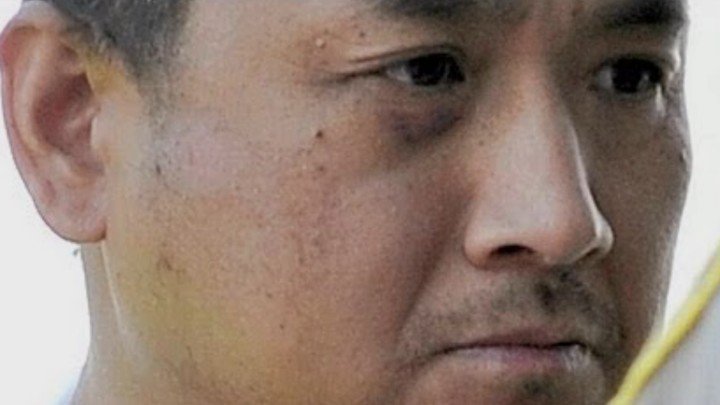
The Cannibal on Bus 1170: Re-Thinking Moral Panics
When Vincent Li murdered and then cannibalised 22 year old Tim McLean on a Greyhound Bus heading for Winnipeg, the shock waves ran through Canadian society. But when Li was found unfit to face trail and later released, shock turned to outrage and triggered a social media moral panic. This film looks at the social reaction to Tim McLean’s murder and how it challenged the conventional sociological model of how moral panics are generated.
-

Self Report Methods: Interviews and Questionnaires
How do school students negotiate the pressures to perform well academically alongside the pressure to popular and cool? Carolyn Jackson combined questionnaires and interviews to research this question and this film uses her study, Lads and Ladettes, to illustrate why these methods are chosen, their respective strengths and limitations and how the strengths of one can be used to offset the limitations of the other.
-
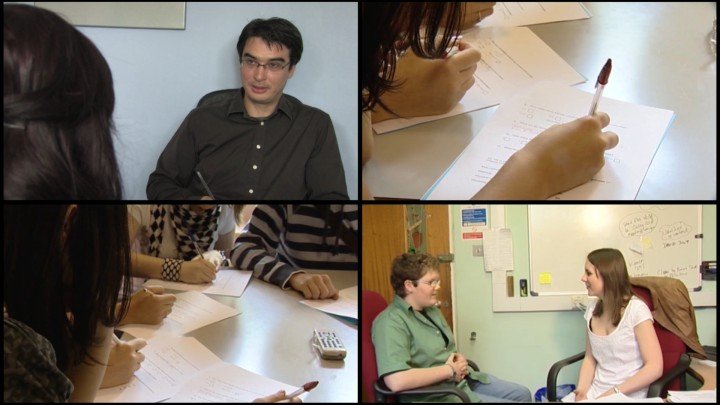
Participant Observation
Some research questions can only really be studied by sociologists getting out of their offices and interacting directly with the people they want to study. Starting with the famous Chicago School of sociology, this film looks at some classic studies to illustrate why participation observation is used in sociology, its major strengths and limitations and its contribution to sociological understanding.
-

Case Studies
If you go and see your doctor or a therapist, you’ll become a ‘case’ to them. They’ll want to know a lot more about you. Similarly, sociological case studies involve putting a social group, an event or a place ‘under the microscope’. This film looks at a classic sociological study, The Spiritual Revolution, to show why case studies are used in sociology, what they provide for the sociologist and the extent to which findings can be generalised.
-

Criminal Offender Profiling
An area that’s captured the public imagination from tv shows like Mindhunter and Criminal Minds is criminal profiling. But what’s the reality behind the hype? What is criminal profiling? What do profilers do? Does profiling work? In this film we address these questions through contemporary UK profilers and psychologists, look at some famous case studies and examine different approaches to criminal offender profiling.
-
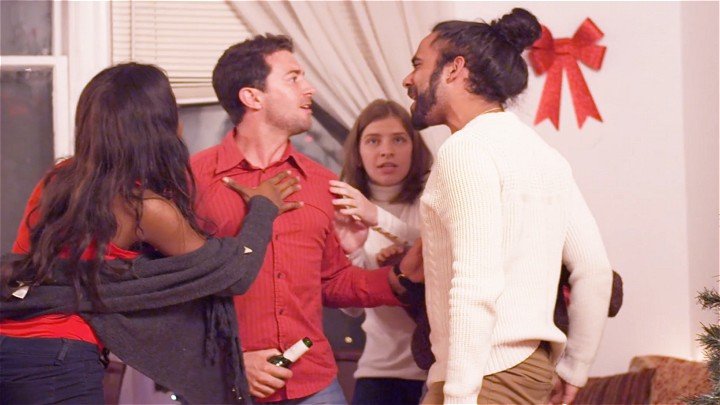
Media and Aggression
Can we learn aggression from aggressive media? This film looks at experimental, longitudinal and case study research evidence and how social learning, script theory and susceptibility approaches can help understand and explain this evidence.
-
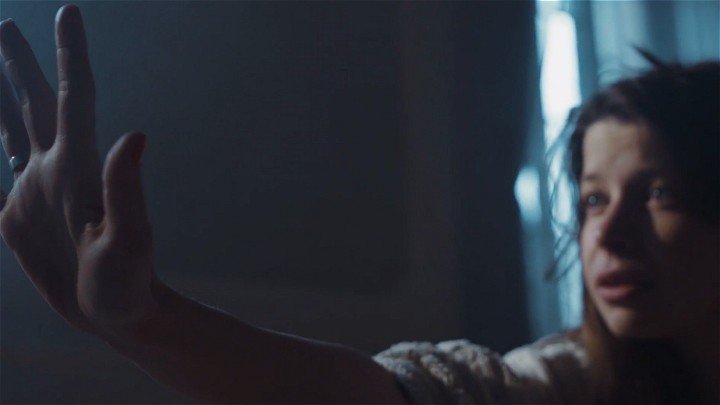
Rosenhan: Being Sane in Insane Places
This haunting film provides a brilliant summary of one of the most infamous experiments ever conducted in psychology, looking at its origins, methods, quite extraordinary findings and its lasting impact on psychiatry.
-
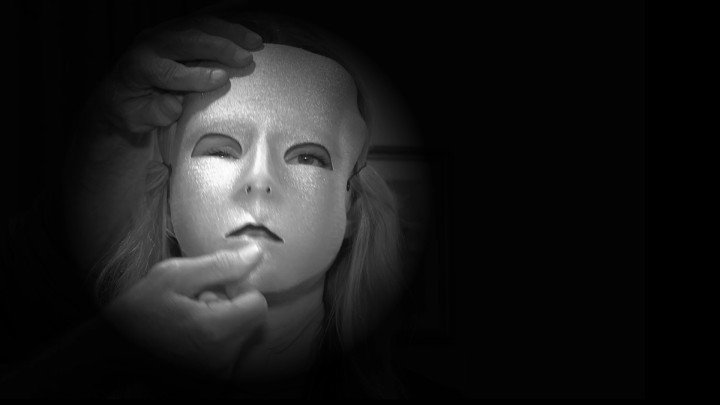
Unmasking: The End of Debate?
Based on new work by a Prof Peter Baehr that suggests debate and evidence are being replaced by accusations against individuals and that a great deal of behaviour is based on illusions. This controversial topic is illustrated with film examples.
-
A Mythology of Mass Killers
Mass killings, described by the FBI as four or more unlawful killings in a single event, devastate communities and create fear across countries. But if we’re going to begin to understand what makes someone randomly kill large numbers of people, it’s important to distinguish between the evidence and the mythology. This film examines three major myths: that random mass killings are a relatively recent phenomenon; that all mass killers are insane; and that mass killing is a form of “suicide by cop”.