
This episode begins by looking at housing and then explores a variety of creative and green energy alternatives to help conserve and divert scarce energy resources. From tiny homes and solar panels, to plans for North America’s first geothermal based community.
Grade levels: Senior High (10-12)
-

Are We There Yet?
With options like public transport, Uber, Pogo, bike commuting, ride sharing and walking, travel has become something we customize. The emphasis is on control, efficient timing, and avoidance of owning an expensive vehicle. It’s exciting to arrange your travel via Smartphone, for schedules, for arrangements and for mapping but a lesser footprint on the environment is the key behind exploring alternatives to the car.
-
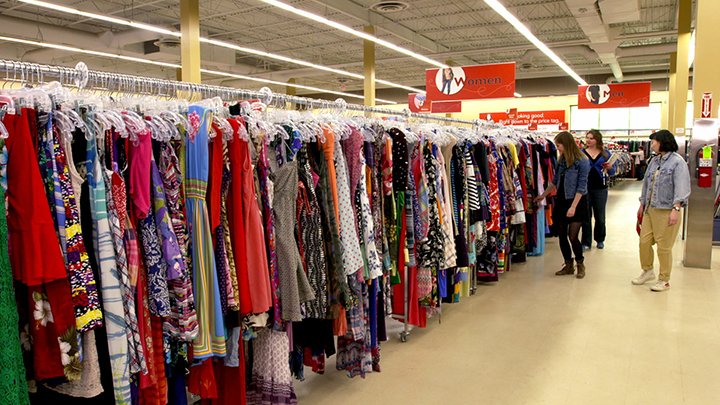
Econo-Me
Trading, swapping, repurposing, redesigning and recycling are some of the ways to move things along the supply chain without buying. The circle economy is something everyone benefits from. This episodes looks at some unique ways Edmontonians are engaging in the circle economy.
-
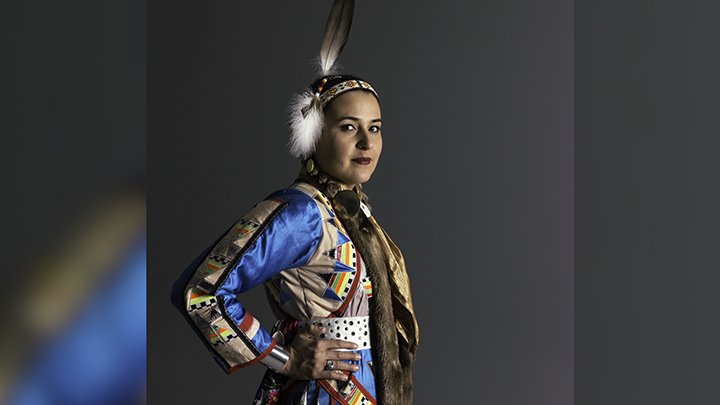
Transform Me
To save the world, or at least change it, you must have hope. Hope has become the new survival tool. Rather than cynicism, youth are sharing and connecting ways to coexist, converge, cooperate and conserve their common home. There is a sense that together, they can overcome by embracing the earth in all their daily living. This constant mindfulness also includes cherry picking from different belief systems, to formulate an individual spirituality or secular sacred. This attitude includes taking initiatives in other places of the world or bringing home initiatives from elsewhere.
-
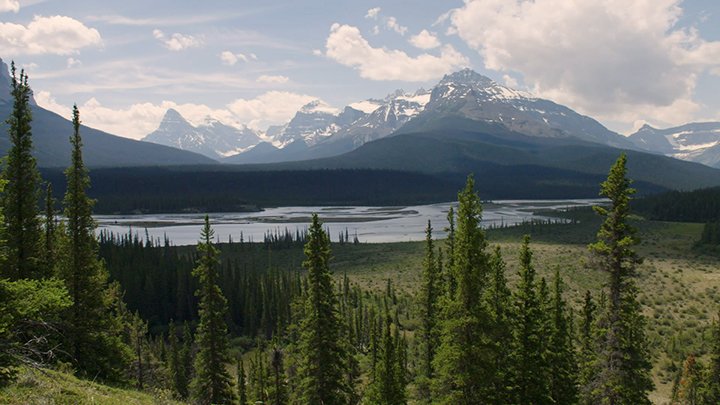
The Hydrologic Cycle
When we visit the ocean, listen to the burble of a running stream or walk along the river through natural woodlands, we are renewed and refreshed. In days gone by we went to the river or lake or to the well to get our water. Today our water comes to us. What implications does that have on how we view water? What are the different states of water, and sources? We explore sources of water from the foot of glaciers to the depths of the aquifers as well as take first nations look at the interconnectivity of water on this planet.
-

All My Relations | Nova Scotia, Canada | Mi’kmaq people
Cree musician Pakesso Mukash travels to Nova Scotia, Canada to meet Mike Doucette, a renowned Master of Ceremonies and advocate for Mi’kmaq tradition who was recently given six months to live. As Mike makes peace with life and death we tell the story of his troubled childhood and how a return to cultural and spiritual practices transformed him and an entire community looking for their own Mi’kmaq identity.
-
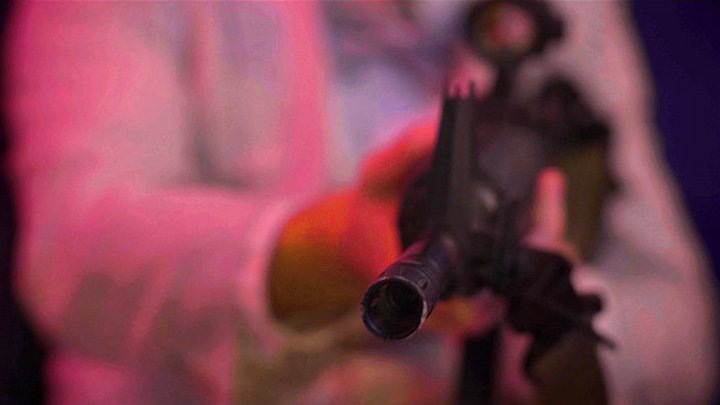
Just Another Tuesday
A short film based on Aaron Stark’s TEDxBoulder Talk, “I Was Almost a School Shooter,” in which Aaron talks about how, after growing up in painful, abusive conditions, Aaron was on his way to committing an atrocity until simple acts of kindness changed his life forever.
-
Mass Killings: The Role of the Media
The Columbine High school shooting was the most covered news story of 1999 in the United States. It set a precedent for the blanket coverage of random mass killings we see today: the rush to the crime scene; the pictures of the killer; their life story; their posts. But could this media coverage be contributing to the problem? This film looks at the evidence and the movement to change media coverage of mass shootings.
-
Secularisation: The Decline of Religion?
With contributions from leading experts on the study of religion, this film gives students a new take on secularisation theory. While secularisation theory assumes that in pre-modernity religion was everywhere whereas in modernity it’s almost nowhere, more recent research suggests that rather than disappearing, religion is undergoing a process of diversification, with the emergence of new and different forms of spirituality. The film introduces students to the concept of secularisation, its relationship to modernisation, and a range of evaluative points that can be brought to bear in any discussion of secularisation.
-
Of Mice and Monkeys: Ethical Issues in Animal Research
Psychological research is governed by a strict code of ethics covering things like obtaining participants’ consent; protecting them from possible harm and allowing them to withdraw from the research. But there are some “participants” who can’t give consent, may be harmed and are unable to withdraw from the research. Using research examples, this film looks at the use of non-human animals in research. Why are they used? What are the benefits? What is being done to protect them? And, is any research with non-human animals a breach of their ‘rights’?