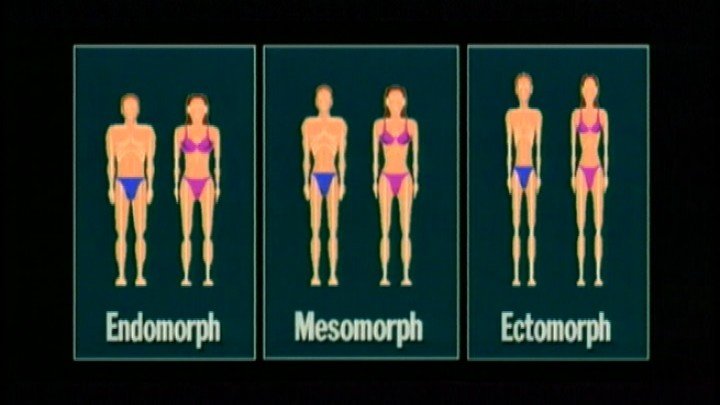
There are many pressures on us to have an “ideal” body. Feeling good about ourselves means accepting ourselves the way we are. Topics covered include where does our body shape come from, heredity, diet and exercise, beauty myths, stereotypes, fashion fads, peer pressure and eating disorders.
Grade levels: Senior High (10-12)
-
Managing A Coastal Ecosystem
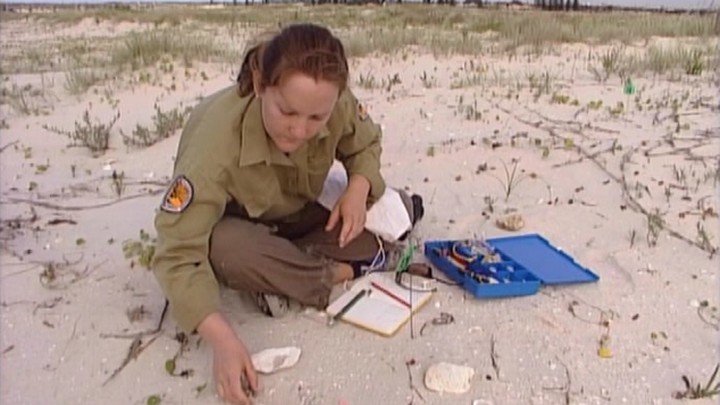
Built around a case study of Towra Point Nature and Marine Reserve in Botany Bay, New South Wales, the video highlight; location and change over time; an examination of the biophysical environment; the challenges of managing a significant nature reserve, including endangered species management, feral animal management and the management of the region’s dynamic and ever-changing landforms.
Towra Point Nature Reserve is the summer home to endangered migratory bird species. It also protects ever diminishing coastal rainforest habitat. -

Bonding Part 2
Illustrates inter and intra molecular bond strengths with the newly discovered biscuit/cookie bond analogy. Topics covered include bond strengths, dipole-dipole attractions, polar covalent, intermolecular hydrogen bond, how helium liquefies, hydrogen bonds in water, and metallic bonding in gold and silver.
-
The History of Bread
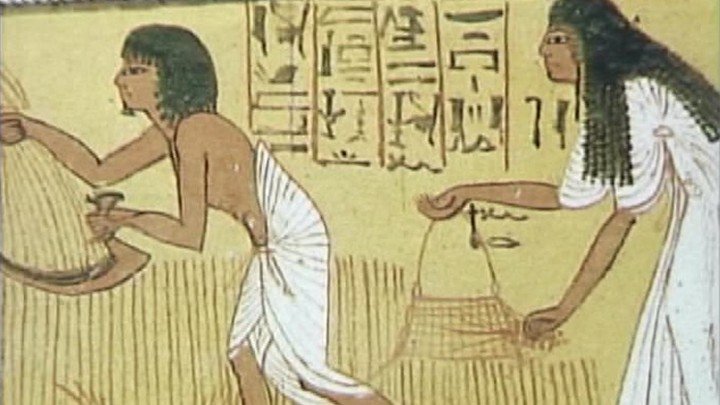
Angie, student reporter, takes us on a journey into history. We see the first risen loaf baked in an Egyptian courtyard 6000 years ago and how the ancient Greeks and Romans respected this basic food. We learn how, in Medieval times, the wealthy ate off plates of bread while many around them starved. The impact of the Industrial Revolution is examined, through to present day mass production, and gene technology in the future. The video explores society, culture, politics, war, and technology, and concludes, full circle, with a baker who uses the same recipe as that used in Ancient Egypt. Relevant to Ancient History, Food Technology, Society and Culture.
-
Body Systems
The human body relies on the coordinated activity of a number of body systems. This video looks at the systems that deliver oxygen and nutrients to our tissues, and remove waste products such as carbon dioxide. Using a unique combination of pig organ dissection and clear, informative graphics and animation, it provides a fascinating insight into the way our bodies function. The systems examined are, the cardio-vascular or circulatory system (heart & blood vessels), the respiratory system, the gastro-intestinal or digestive system and the excretory or urinary system.
-

Bonding Between Molecules
Bonding Between Molecules covers the following topics; the biscuit molecule, icing bonds between atoms and butter bonds between molecules, hydrogen to weak, water is special, hydrogen bonding, DNA weak bonding, van der Waal, and crystals.
-
Bees
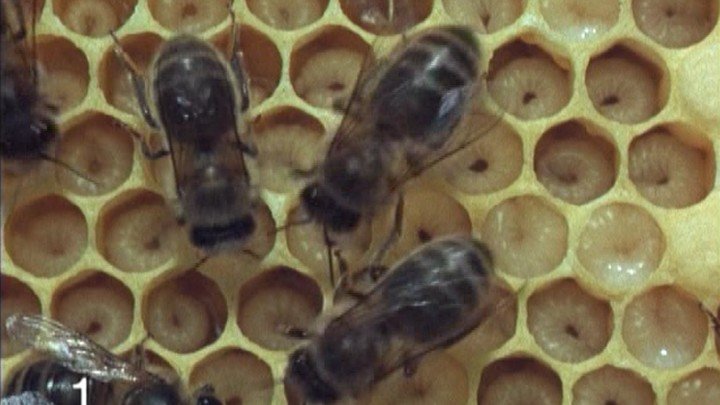
An extraordinary look at bees, their social hierarchy, communication by scent and touch, food gathering skills and their perception of color. Organized into four key sections; division of labour, food gathering, communication and sight.
-

Atmospheric Circulation
Atmospheric Circulation cover the following topics; global heat budget, convection, coriolis effect (conservation of momentum), general circulation of the atmosphere, trade winds, seasons, monsoons, and synoptic charts.
-
Atoms and Their Electrons
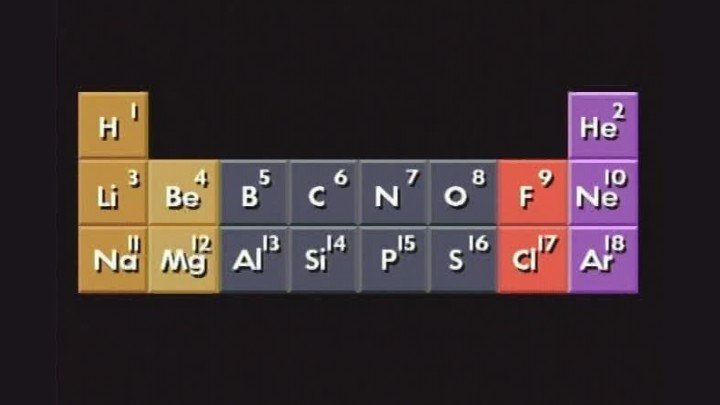
Follow the history of the Atom; meet Dalton, Thomson, Rutherford and Bohr along the way and build up the first 18 atoms by adding protons, neutrons, and electrons. Learn how atoms combine through an animated love story of chlorine and sodium. At the disco, atoms combine in various ways. Carbon forms bucky tubes & balls, we see evolving molecular shapes C02, H20, NH3, CH4. Some atoms dance in pairs e.g.. N2. Chlorine is asked to dance with Ca, Al & C but waits for Na. They dance & transfer an electron. Love at last.
-
Baby Making – The New A.R.T. of Life
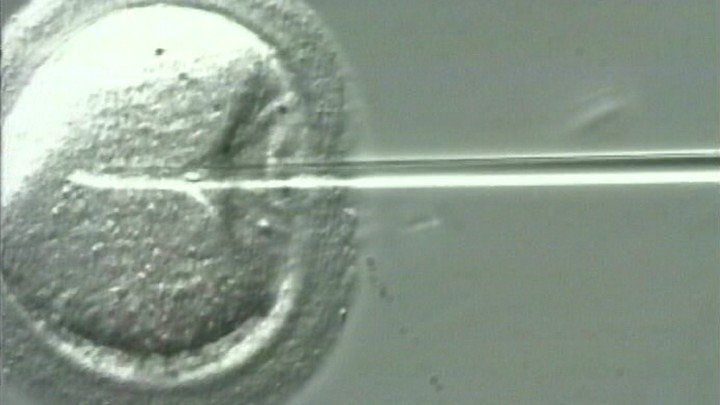
Explore new technologies in reproduction and the social implications of these technologies. Through personal stories told by young infertile couples, lesbian parents and mothers who use donor sperm or donor eggs, students will realize the ethical dilemmas facing parents. Throughout the video bioethicists highlight the issues, as well as future scenarios.