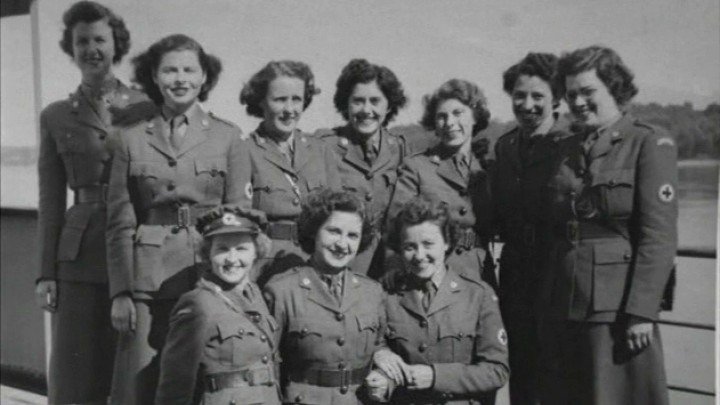
They laboured in the factories and enlisted in the services, often serving overseas. They made a significant contribution to the War effort, and their lives were changed and would never be the same – they thought. While the horrors of war and the loss of loved ones are remembered, many working women also recall this as period of unparalleled freedom and camaraderie. And yet when the war ended, career expectations and hopes were discouraged. The jobs they had done so well were given back to the men, while they and other women were strongly encouraged to return to the traditional roles of mother and wife.
Grade levels: Adult
-
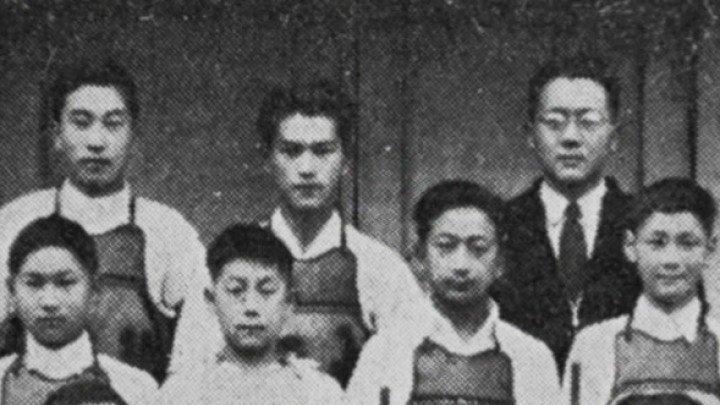
Out of Sight, Out Of Mind
Multiculturalism, civil rights during wartime, discrimination and citizenship are explored as four Canadian citizens of Japanese origin remember their forced relocation to remote ghost towns and detention camps after Pearl Harbour. The shattering effects on the lives of the 22,000 interned are recalled- the pain of separation; shame of confinement; loss of property without compensation, and the long campaign for justice culminating in the Federal Government’s apology.
-
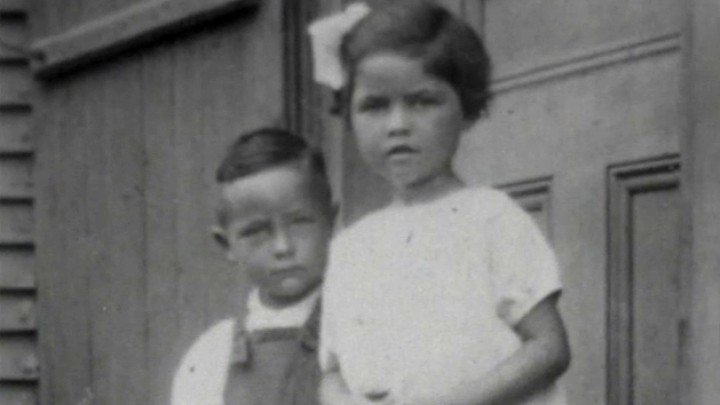
Home and Away
“The Rock,” as Newfoundland is affectionately known by inhabitants and expatriates alike, not only refers to a physical entity, but also to a strong identity and a thriving culture. This program traces the lives of four Newfoundland seniors, and the culture that bound them and other Newfoundlanders together, and, depending on their point of view, their memories and feelings about the threat and/or promise posed by the prospect of their beloved province joining Canada.
-
Dutch Light
Dutch Light is a documentary about the light in Holland. Is it unique, as people say, or is that simply a myth? The myth goes back a long way. It’s the idea that light and observation were the cornerstones of a visual culture dating back to the 17th century. The German artist Joseph Beuys, however, says that the culture of observation came to an end in the 1950s. Dutch Light breaks new ground by exploring that myth and capturing it in images. Distinguished artists, art historians and scientists from different countries address the questions raised by Beuys’s theory. What is Dutch light? Is it different from light anywhere else in the world? Has it really had a significant impact on art and science? And is it true that it has changed or disappeared? Dutch Light is an extraordinary film about a phenomenon that is as ordinary as it is unique.
-
The Last Words of Dutch Schultz
An animated film, portrayed in the style of cheap American slander magazines of the fifties. Flows of associative images illustrate the last words of the notorious gangster Arthur Flegenheimer, also known as Dutch Schultz. Dutch Schultz was at the height of his carreer and, second only to Al Capone, one of the most powerful and notorious racketeer-bootleggers during the prohibition years of the twenties and thirties in America. On October 23rd, 1935 Dutch was shot down in the Palace Chop House in Newark, New Jersey by hitmen from “Murder Incorporated” and died a day later from his wounds.
-
Eye on the Caribbean
This program is a unique exploration of some of the remotest places on earth combined with stunning photography of both wildlife and local culture, celebrating the huge natural diversity of this planet by looking through the lens of wildlife photographer Dos Winkel. Join Dos as he visits the Bonaire Treasure Island, situated just 20 miles off the coast of Venezuela, Bonaire is the least developed and least populated of the five islands of the Netherlands Antilles. Then onward to Saba. Verdant green with lush vegetation, Saba is an extinct volcano that seems to shoot out of the sea. Only five miles square at the base its peak rises to over 2,800 feet. First discovered by Columbus on his second voyage in 1493, the island constantly changed hands between the European powers for centuries until 1816, when it fell definitely in the hands of the Dutch.
-
Steam and the Sternwheeler
This program details, explains, and demonstrates the propulsion system of a steam powered ship driven by reciprocating steam engines and a stern mounted paddle wheel. The demonstration is modeled on the historic vessel Samson V currently exhibited in New Westminster B.C.
This five part, menu driven, presentation runs more than forty five minutes if all five modules are played. The work examines the entire propulsion process from the nature of steam itself to a full explanation of the engines and their control. -
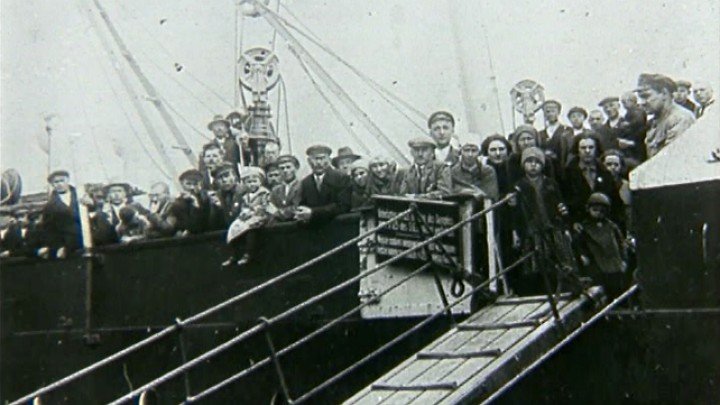
Moving Experiences
Immigration and multiculturalism, citizenship and discrimination – themes emerging from the vivid memories of four immigrants. Each from different cultures, emigrating to a strange, far-away land, they recall hopes, dreams, and the difficult realities encountered during the process of cultural assimilation and the achievement of citizenship and pride their adopted home – Canada.
-

Persons At Last
Women as a minority, lacking even the most basic rights of citizenship, cultural and economic? Hard to believe, but not until 1929 and the famous Person’s Case were women legally recognized as human beings entitled to vote and to rights separate from those enjoyed by their husbands. Through the fascinating memories of four seniors – all female activists, this show explores the effect of the Person’s case and the long, ensuing fight for women’s equality in multicultural Canada.
-
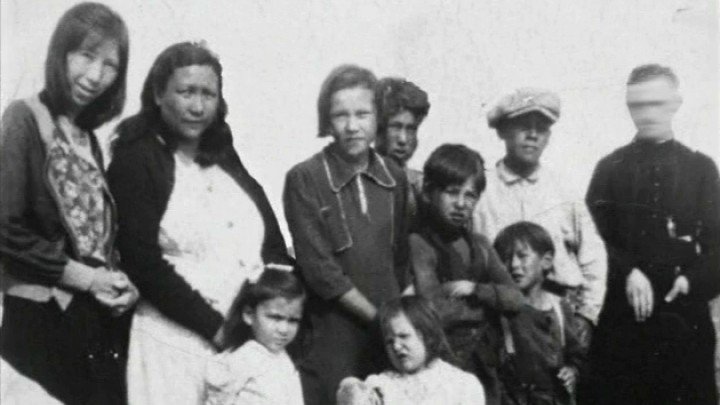
Cruel Lessons
Residential Schools, the term conjures up a history of abuse for Canada’s First-Nation peoples – poignant reminders of the cultural and citizenship issues under investigation in the press, courts and Government. Their own language forbidden; constantly told their culture was inferior; subjected to physical and psychological abuse, four seniors (male and female) remember the cruel lessons absorbed during their “school days.”