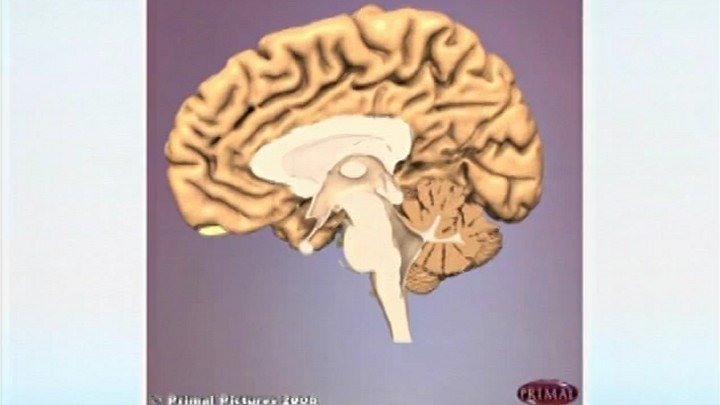
This lesson provides a glimpse into the human neural network we call the nervous system. We can compare the nervous system to a highly complicated computer network. If we think of the brain as that central processing unit, or the command center, we can visualize a complex network of nerves and organs emanating from it. The network monitors the internal and external environment and sends information about those conditions to the brain, which in turn processes the information and sends signals back to the rest of the body to perform an action or to regulate body functions.
Countries: US
-
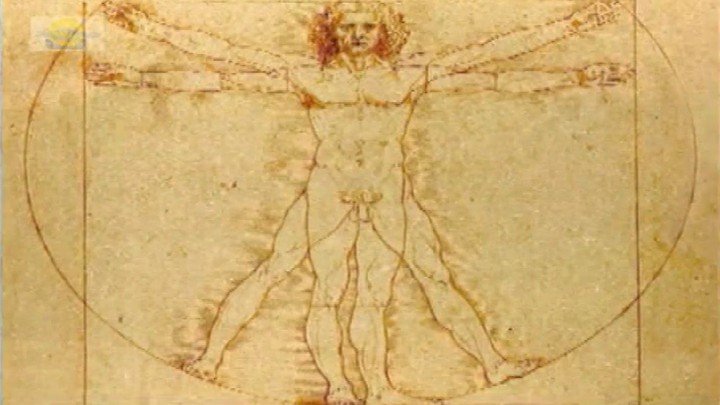
Anatomy & Physiology: An Introduction Box Set (All 14 Lessons on 2 DVDs)
“Anatomy & Physiology: An introduction” is an introductory course for non-science majors. This course provides a comprehensive survey of the discipline, including fundamental principles and concepts. Students will be able to identify the structures of each of the body systems and relate how the body maintains homeostasis. Physiological processes between the exchange and use of energy in the body and how they relate to lifestyle and health are discussed. Finally, students will learn how to communicate clearly with health care professionals and make informed decisions about personal health care and lifestyle.
-
Introduction to Anatomy & Physiology
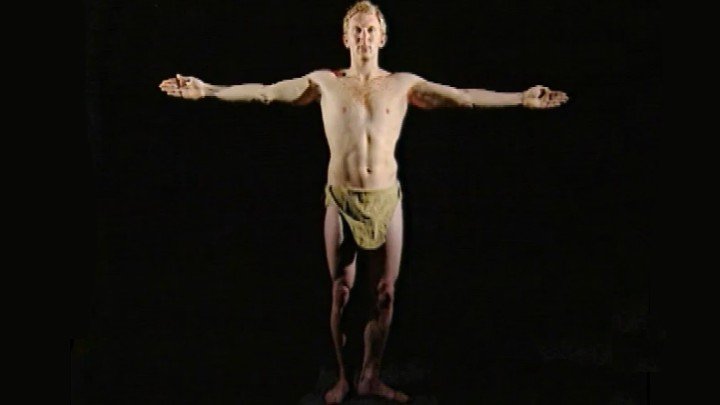
From the tiniest cells to the largest organ systems, the human body is a complex organism that is capable of both power and grace. When we think of a ballerina, we might conjure images of grace and fluidity. But such elegance relies upon the strength and power of the structures within the body. When we study the human body, we have to ask ourselves not only “How is it structured?” but also “Why does it work that way?” The human body’s form and function are both complementary and interrelated-they compromise in many ways. These are questions that you should ask yourself in every lesson-the relation between form and function is a central theme throughout this course.
-
Basic Chemistry & the Cellular Level of Organization
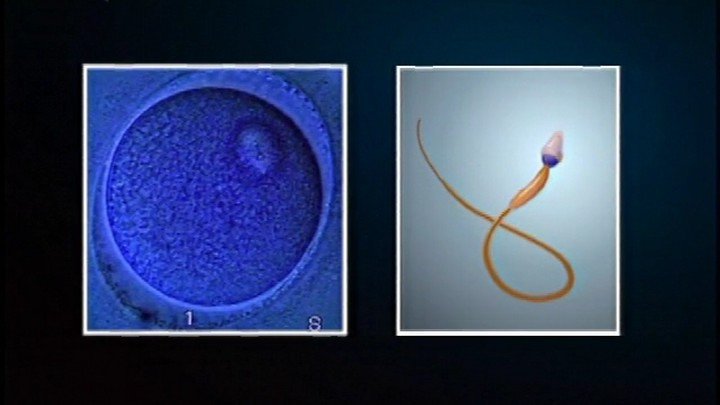
During the initial stages of life, one male cell and one female cell combine and set the stage for cell division. Cells continue to divide and differentiate and cause us to grow-our bones get longer and our muscles and organs get bigger. Because our tissues are made of cells, and our organs made of tissues, more cells must be created in order for us to develop and grow. Through a delicate balance of chemistry and cell division, a mature human being develops and is ultimately comprised of about 75 trillion cells. In this lesson, you’ll learn about how atoms play a part in the chemistry that makes life possible and the ways that cells function and divide.
-
Tissues & the Integumentary System
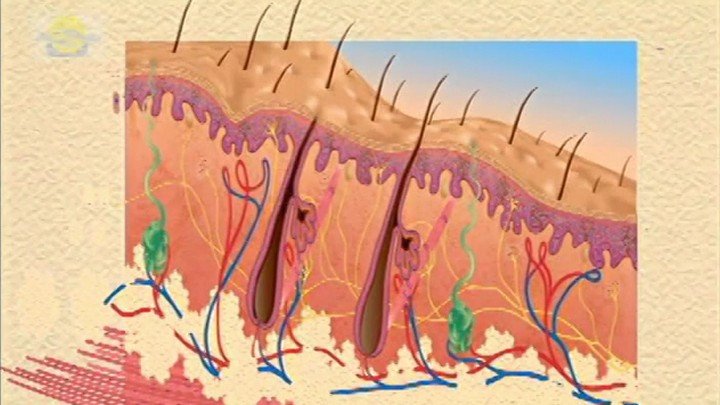
As you learned in Lesson 1, there are different levels of organization in the human body-from the cellular level to the organism level. Tissues are comprised of a collection of cells that have a common function; organs are comprised of two or more common tissues, and organ systems are comprised of organs and their accessory structures. In Lesson 2, you studied the chemical and cellular levels of organization. In this lesson, you’ll further your study of organization and learn about the four types of tissues in the human body. At the next level of organization, we’ll study the largest organ in the human body-the skin. Finally, you’ll begin your study of an organ system-the integumentary system, which contains the skin and its accessory organs.
-
Meltdown in Tibet
Using undercover footage and stills, “Meltdown in Tibet” blows the lid off China’s huge and potentially catastrophic dam-building projects in Tibet. The mighty rivers sourced in Tibet are lifelines to the people of India and Southeast Asia. These rivers are at great risk from rapidly receding glaciers – a meltdown accelerated by climate change – and from large-scale damming and diversion, due to massive Chinese engineering projects. To make way for these hydropower projects and for mining ventures, Tibetan nomads are being forced off their traditional grassland habitat – and resettled in bleak villages, where they cannot make a decent living.
-
Ties That Bind
The Emmy-nominated video documentary “Ties That Bind” captures the conversations of seven Chicago women who joined together in an effort to discuss what unifies and divides us. These women are leaders of their Jewish, Christian, Muslim, African-American, Hispanic and Euro-American communities. Their experiences bear valuable lessons for all of us.
-
Health
Thematic DVD collection of PBS NewsHour clips, including:
In Russia, Unhealthy Habits Make Funerals Outpace Births
Eye Hospital in India Restores Sight with Free Surgeries
In Tanzania, New Push to Combat Malaria
Balancing Cost with Quality
Netherlands Health Care
No Insurance? On Borneo, This Clinic Accepts Manure
As Global Temperatures Rise, So Too Do Health Risks -
Technology
Thematic DVD collection of PBS NewsHour clips, including:
Scientists, Students Study Space Storms
Students Build Biological Machines
Young Engineers Envision Cities of the Future
In Iraq and Afghanistan, Military Relies on Robots
Better Storage Options Sought as Wind, Sun Power Catch On
Math Wiz Adds Web Tools to Take Education to New Limits -
The Arts I
Thematic DVD collection of PBS NewsHour clips, including:
Toni Morrison: A Conversation
Arthur Miller
Christopher Curtis: “Bud, Not Buddy”
The Play’s the Thing
Becoming Falstaff
Kate DiCamillo: “Tales of Despereaux”