We all need to be aware of our nutritional requirements, how they differ and change throughout life, and how we can plan our diets in order to meet our needs. This video looks at what nutrients do, how and why our nutritional requirements vary, and explores three situations where menu planning is particularly important for achieving a balanced diet (teenagers going on a wilderness camp, choosing to be vegetarian and living on a budget).
Subjects: Nutrition
-
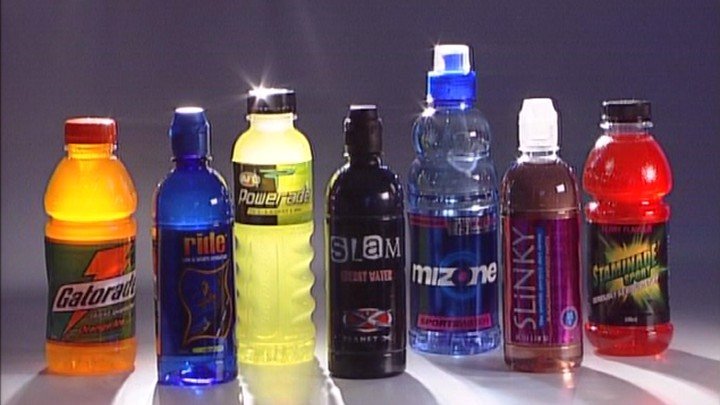
F.A.P. – Nutrition and Sport
The basis of good nutrition is balance: our intake needs to be balanced with our needs. Physical exercise increases the need for all the essential nutrients, particularly energy-giving fuels and water. In developing a nutritional plan, we need to be aware of the composition of different foods, and the demands placed on our bodies by different types of exercise. If we choose to use nutritional supplements, it’s important to understand the potential pros and cons.
-
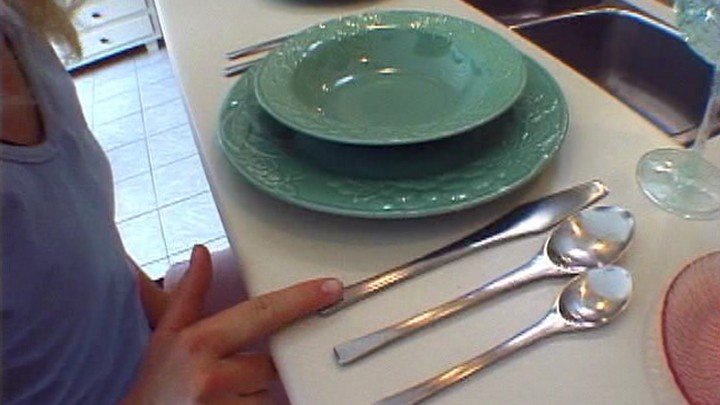
Etiquette, Manners, and Rituals with Food
When we share a meal with friends, we follow certain unspoken rules as to how we treat each other, what we serve and the way we eat. In most cultures, food is much more than just nutrition. It often has religious significance, or can be the focus of celebration. It can stand as a symbol for traditional holidays and its presentation can be the occasion where we practice our best manners and behavior. This video looks at the etiquette, manners and rituals associated with food, from the formal occasion of a Japanese Tea Ceremony to the respectful protocol of a Samoan meal. The role of the host and the role of the guest are examined when six high school students give a birthday dinner for a friend and create their own special occasion.
-
You Are What You Eat
This first program in the Food Safety and Sanitation series introduces the topic of food safety in terms of who is at risk and who is responsible, what is food borne illness and how to prevent it, the role of Health inspectors and who to report an illness to, and finally signs and symptoms of food borne illness. This program is intended for anyone who handles or prepares food whether professionally or in the home.
-
When Good Food Goes Bad
Following up on the first program in this Food Safety and Sanitation series, this program explains how microbes that cause food borne illness grow and how to prevent that growth, the variety of ways in which these microbes spread and procedures to limit possible contamination. Presented by professionals in the food industry this program explains the issues in clear terms that anyone can understand.
-
The Food Safety Survivor Test
The final program in the Food Safety and Sanitation series, this program tests the knowledge of the audience gained from the first two programs. A number of scenarios are presented and the audience is asked to recognize the common everyday food handling and preparation errors that take place. A final scoring is presented at the end. This program is meant to test the safety of your food handling and preparation skills whether you work in the food industry or at home.
-
Eres lo que comes
La calidad y duración de nuestras vidas están directamente relacionadas con nuestra alimentación, con lo que comemos ye qué tan sequra es la comida que ingerimos para nuestra salud. Los problemas ocasionados por la comida, derivados de la presencia de toxinas, bacterias o virus, constituyen una gran proporción de las enfermedades que aquejan a la mayoría de la población, que incluso pueden llegar hasta la muerte, pero que son totalmente prevenibles a través de medidas de cuidado básico. A través de este programa obtenemos información sobre medidas sencillas pero fundamentals para disfrutar de la comida sin peligros. A través de sugerencias prácticas, conoceremos la forma adecuada de preparer, manipular, almacenar y servir los alimentos para evitar intoxicaciones, tanto dentro del hogar como en los lugares públicos como restaurantes y otros expendios de comida. La temperatura en la que se guardan los alimentos y en la que se cocinan y sirven es uno de los pilares para la seguridad, asi como otras medidas de limpieza a las que debemos estar atentos para evitar problemas.
-
Cuando La Buena Comida Se Hace Mala
La responsabilidad de quien prepara y sirve alimentos no termina con el buen sabor y presentación de la comida, sino que su principal compromiso es que ésta sea de buena calidad y saludable. Este programa enseña la forma de evitar las intoxicaciones, proporcionando medidas que permiten supervisor a los proveedores, escoger los ingredientes, conservarlos y manipularlos de manera sequra, preparer el área de trabajo para que no guarde residuos que puedan ser peligrosos, cocer los alimentos durante un tiempo suficiente y a la temperatura adecuada y almancenar convenientemente los materiales. Se brinda información acerca de los diferentes tipos de contaminantes que pueden contener los ingredientes o que aportan las personas que los preparan, o insectos y roedores, explicando los procedimientos para prevenir o erradicar estas fuentes de contaminación, de manera de preserver la calidad y seguridad de los alimentos.
-
Decisions, Decisions: Family Food Choices
While there are many influences on our food decisions, the family is probably the most important. In this program, we spend time with a not atypical family: a husband and wife and their teenage and pre-teenage children. We see who makes the decisions, why and with what effect, and we see how the family’s thinking about nutrition is fairly deeply ingrained, sometimes for the worst, sometimes for the better.
-
Adolescence, Food and Health
With the aid of a group of passionate kids, stunning graphics, great music and solid research, we explore the relationship adolescents have with food, as we cover: The physical needs for nutrients and energy.; The emotional needs which food satisfies, though not always successfully.; The desire for fast, convenience food in the home and outside and the impact of this on nutritional status and present and future health.; The prevalence and causes of adolescent eating disorders.; Some possible solutions/policy initiatives.