Pakesso Mukash and the Konnected.tv crew brave high altitudes on an epic journey to the Peruvian Andes to meet Zenón Gomel Apaza, a Quechua farmer who has spearheaded a campaign to combat hunger in Peru’s rural communities through ancient knowledge and agrodiversity. Zenón invites us into his garden to show us how he uses traditional farming methods and sacred rituals to cultivate an array of traditional Quechua food staples amid growing concerns about global warming.
Subjects: Multiculturalism
-
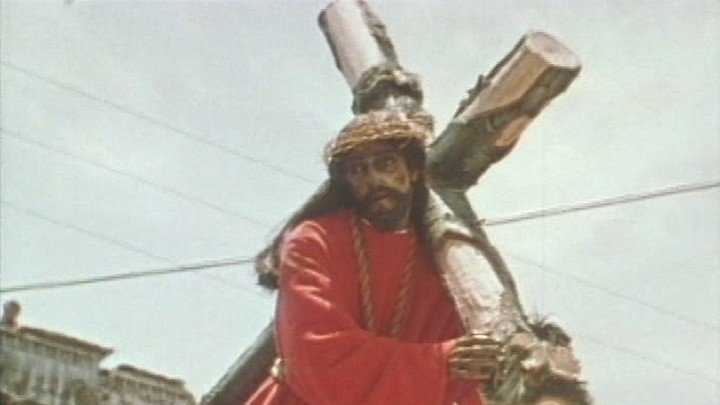
Easter Around the World (7-10)
eginning with the pre-Christian festivals which were its precursors, this video tells the rich and intriguing story of Easter examing pre-Christian traditions, spring carnivals, Jewish Passover, Christian traditions in part 1. Part 2 discusses Easter symbols such as light and dark, eggs, origin of the Easter rabbit, Easter foods and new life.
-
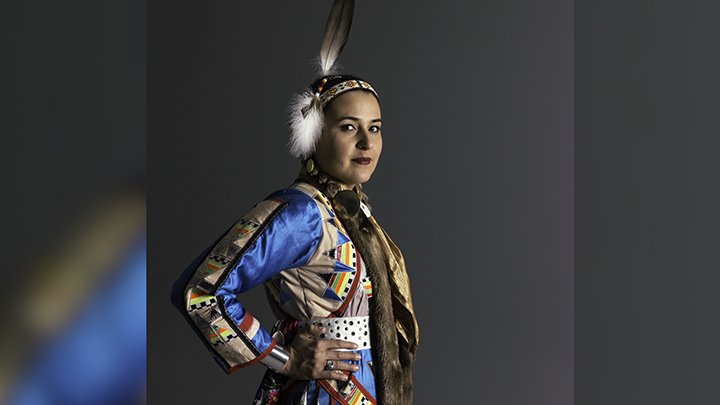
Transform Me
To save the world, or at least change it, you must have hope. Hope has become the new survival tool. Rather than cynicism, youth are sharing and connecting ways to coexist, converge, cooperate and conserve their common home. There is a sense that together, they can overcome by embracing the earth in all their daily living. This constant mindfulness also includes cherry picking from different belief systems, to formulate an individual spirituality or secular sacred. This attitude includes taking initiatives in other places of the world or bringing home initiatives from elsewhere.
-

All My Relations | Nova Scotia, Canada | Mi’kmaq people
Cree musician Pakesso Mukash travels to Nova Scotia, Canada to meet Mike Doucette, a renowned Master of Ceremonies and advocate for Mi’kmaq tradition who was recently given six months to live. As Mike makes peace with life and death we tell the story of his troubled childhood and how a return to cultural and spiritual practices transformed him and an entire community looking for their own Mi’kmaq identity.
-
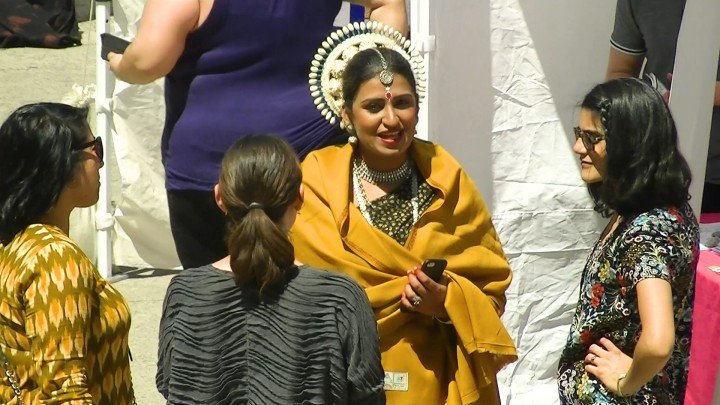
Global Multicultural Generation
Multiculturalism is the presence of, or support for the presence of, several distinct cultural or ethnic groups within a society. In 1973 Multiculturalism became the state policy of Canada under Prime Minister Pierre Trudeau. Ever since the Canadian government has often been described around the world as the instigator of multicultural ideology and policies because of its public emphasis on the social importance of immigration. The main protagonists of “Global Multicultural Generation” are people from everywhere who have grown up adjusting to the demands of a multicultural society, while at the same time helping to make Canada the most diverse country in the world. This global generation is the outcome of 50 years of cultural diversity. With in-depth investigative reporting this documentary examines why in “The age of Trump and Brexit” Canadians remain positive toward immigration and proud of their multicultural heritage.
-
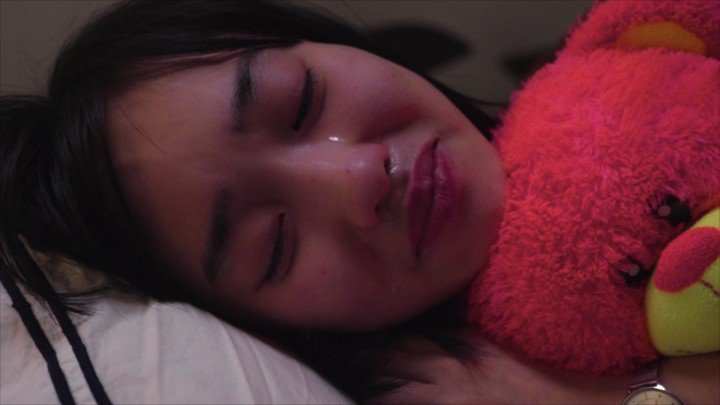
Stress & Cultural Expectations: Eileen’s Story
Eileen’s family emigrated from China to North America to create a new life for the children. The Chinese family culture and dynamics were important in the household. Eileen found it difficult to fit in with her peers and she was heavily relied upon at home for chores. She was also pushed hard to excel at school and placed in a school for advanced education. Unfortunately, at a young age, she was sexually molested and kept it a deep dark secret. Her self-identity would develop into a critical low level of self-esteem and alienation from any social life. High school was a nightmare. She found a message of hope from an unusual source and decided that, prior to entering university, she would transform her life with an ultimate spiritual and physical makeover.
-

Addiction in First Nations: Lindsay’s Story
Lindsay (Eekwol) grew up in the First Nations community. She experienced an unforgiving world of drugs, alcohol, and violence within her family. As a child, she lived in fear while her parents and their friends had endless parties that often broke out in fights. As she grew up in this environment, she soon developed into an abuser of drugs and alcohol herself. She fell victim to blackouts and, on one occasion, almost died lying unconscious on the highway. This seminal moment caused her devoted sister to give up on her – unless she changed her ways. For the first time in her life, she listened, and the path of being clean and sober led to becoming a successful solo female aboriginal hip hop artist.
-
The Treaty of Waitangi
Reaching agreement on the meaning and ‘spirit’ of the Treaty of Waitangi, New Zealand’s founding document, has led to fierce debate and violent conflict between European settlers and Maoris since its signing in 1840 until the present day. This program examines the events leading up the signing, consequences of the signing, the key points of difference in the two versions of the treaty, the treaty in the twentieth century, and the founding of the Waitangi Tribunal. This program is an excellent resource for students of New Zealand history, culture related and indigenous rights studies.
-
Ties That Bind
The Emmy-nominated video documentary “Ties That Bind” captures the conversations of seven Chicago women who joined together in an effort to discuss what unifies and divides us. These women are leaders of their Jewish, Christian, Muslim, African-American, Hispanic and Euro-American communities. Their experiences bear valuable lessons for all of us.
-
Frontline: Behind Taliban Lines – Home Use
This past Fall, an Afghan video journalist negotiated extraordinary access to a part of the country that has quietly reverted back to Taliban control. For close to two weeks, the journalist traveled a region that he found was now largely under control of the Taliban “shadow” government. He also tracked members of an insurgent cell working with members of Al Qaeda on a mission to sabotage a major U.S./NATO supply route. As the new U.S. strategy focuses on the south and eastern parts of the country, this film opens up a window onto a potential new front in the north, and sheds an important light on who’s fighting the U.S. efforts in Afghanistan and why. Also in this hour: A report from Pakistan on the country’s troubled public school system which is among the worst in the world, despite years of U.S. aid.