
Gambling is an addiction that is well recognised across the UK. However, with the growth of online casinos, mobile gambling and eye-catching slot machines, young people today live in a society surrounded by and encouraged to gamble. From Bingo to Blackjack, and penny slots to action on the pitch, gambling takes place anywhere and everywhere. We speak to numerous casinos & bookmakers about the younger audiences being drawn to ‘have a flutter’, including Kevin Torrington – managing director of B Lucky Casinos and Michael Crompton, a therapist who deals with the aftermaths of those lives who have been shattered by the effects of gambling.
Subjects: Guidance
-
Legal Highs
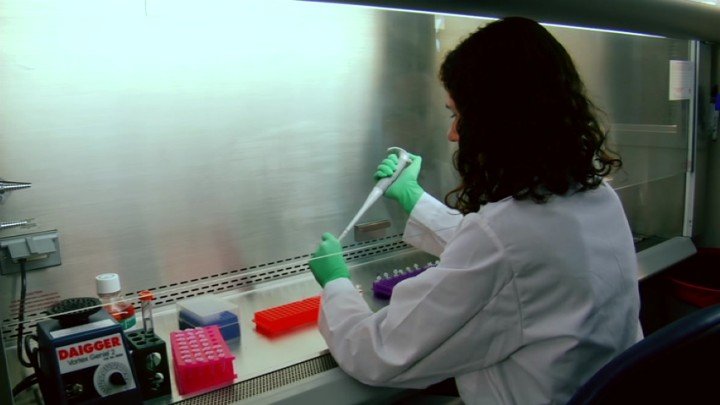
A documentary exploring the recent rise in Legal Highs available in Britain and the effect these new substances are having on our Youth and Society. With content from young users of these drugs and Scientists and Therapists we explore every angle of this growing pastime and rapidly growing problem.
-
Social Media Addiction
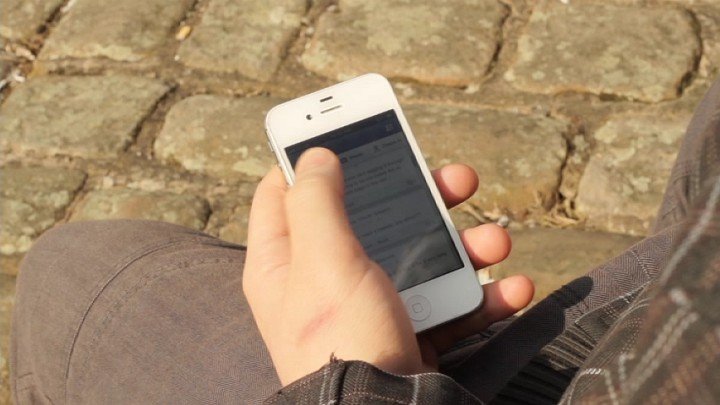
With the rising phenomenon of social networking websites such as Facebook and Twitter, constant interconnectivity with friends and family is now part of daily life. But as opposed to enriching our lives, is social media just another thing for teenagers to become addicted to? Social Media can have its perks. We speak to Smoking Gun PR, a marketing company for hire to boost businesses social profiles – however, can this escalate too quickly? Martin Bryant comments on how over usage can leave society dependent on ‘checking in’ to their nearest coffee shop, rather than speaking to those they are with. Also, a variety of teens confess how many hours they tot up socialising online, but by doing so how unsociable are they actually becoming?
-
Drug Addiction
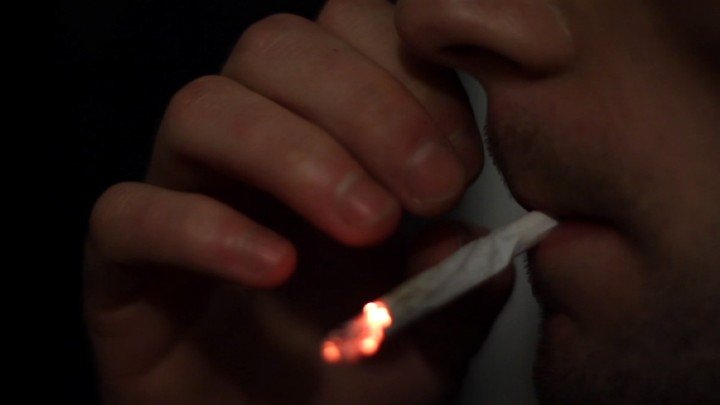
Drug addiction has been part of human life for thousands of years. In the 21st Century, have we evolved to a point where we are effectively combating the damaging effects that drug addiction is having on our teens? Or are we still fighting a losing battle? Phillip Day, an ex Drug User, talks frankly about his experiences with numerous substances and the effect they have had on his body and lifestyle. We also speak to The Priory Hospital about the treatment types that they offer and rehabilitation options provided. As well as this, Zack Haider provides an alternative idea that drug addicts are too wrapped up in cotton wool and society is quick to make excuses for them.
-
The Bully Report/The Bystanders
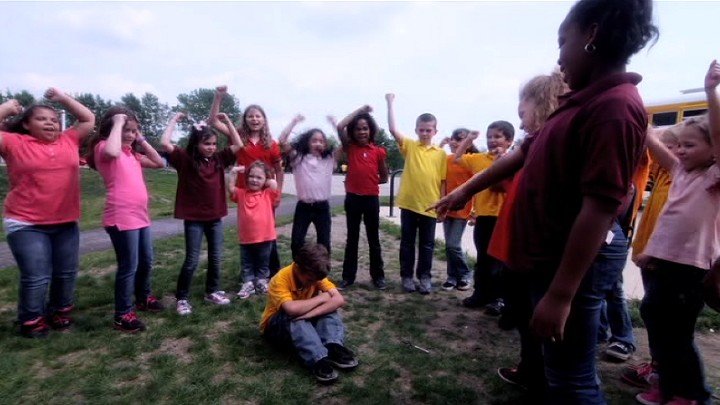
This is the story of a young school boy finding the courage to “speak up.” Quinn has no friends and is constantly taunted and teased by other students. After just managing to make it through another trying school week, he sees a classmate humiliated and bullied while a group of bystanders does nothing but watch. Quinn does his best to help, but the situation only escalates and a scary threat suggests the worst is yet to come. Over the weekend, Quinn turns a class assignment about kindness, courage, and communication into stirring message that galvanizes the class and emboldens everyone to “stand up and speak out about bullying.”
-

These Days: Youth Suicide Teacher Resource Kit
Kick start the conversation with These Days: Youth Suicide Teacher Resource Kit. The aim for this kit is to demystify the issue and reduce the social taboos that prevent an open and effective discussion about suicide with young people.
These Days: A Short Film on Youth Suicide
These Days is a short film exploring the aftermath of a youth suicide (Malik) on his friends, family and school community. It is targeted firmly at Australian teenagers in language and tone, and has a very honest look at teenage life today. The narrative focuses on Malik’s friend Chloe as she struggles with the grief and depression that follow this tragedy. It provides an opportunity for viewers to reflect on warning signs, positive and negative coping strategies, and ultimately the importance of resilience and a strong support network.Understanding Youth Suicide: A Guide for Teachers
This program provides background information on suicide and advice about how to discuss suicide in a classroom setting. It helps viewers understand what leads to suicide/suicidal thoughts among teens, the warning signs you may see in the school setting and what to do if you suspect a student is suicidal. We also look at how teachers can support themselves, the school community and students who are dealing with the aftermath of a student’s suicide or attempted suicide”This kit includes:
- These Days: A Short Film on Youth Suicide
- These Days: A Short Film on Youth Suicide (Censored Version)
- These Days: A Short Film on Youth Suicide (with Extended Commentary)
- Understanding Youth Suicide: A Guide for Teachers
- Discussion guide with questions to consider and student activities to support mental health and wellbeing
- Consent form template in case you wish to obtain parental consent prior to viewing
- Instruction on how to use the videos
-

These Days: A Short Film on Youth Suicide
High school student Chloe is shocked to discover her best friend has taken his own life. She finds herself and those around her, struggling to cope with the complex, confusing emotions of grief and loss. The tragedy brings to the surface her own dark troubling thoughts causing her to withdraw as her life seems to slowly unravel. However, with support and understanding, there’s a way through these dark days. Intended to open up debate and discussion around this difficult, highly emotive and confronting subject, the drama explores: what can lead to suicidal thoughts; the warning signs; how to support someone thinking about suicide; dealing with depression and coping with tragedy when someone close takes their own life. An essential resource for teachers wanting to raise awareness about this difficult topic and encourage student discussions around mental health and emotional well being.
-

These Days: A Short Film on Youth Suicide (with Commentary)
High school student Chloe is shocked to discover her best friend has taken his own life. She finds herself and those around her, struggling to cope with the complex, confusing emotions of grief and loss. The tragedy brings to the surface her own dark troubling thoughts causing her to withdraw as her life seems to slowly unravel. However, with support and understanding, there’s a way through these dark days. Intended to open up debate and discussion around this difficult, highly emotive and confronting subject, the drama explores: what can lead to suicidal thoughts; the warning signs; how to support someone thinking about suicide; dealing with depression and coping with tragedy when someone close takes their own life. Commentary by mental health experts is interspersed at key points in the drama to further explore the complex emotional and psychological themes covered. It provides talking points to support class discussions. An essential resource for teachers wanting to raise awareness about this difficult topic and encourage student discussions around mental health and emotional well being.
-

Understanding Youth Suicide: A Guide for Teachers
Suicide has been a taboo subject but attitudes are changing. There is a push to raise public awareness, openly discuss and seek different approaches to this complex and highly emotive issue. Teachers, students and school communities should be prepared to deal with this tragedy. In this program, Psychiatrist Patrick McGorry and Psychotherapist Julie Lynn Evans discuss factors that may lead to thoughts of suicide, warning signs, what to do if you suspect a student is contemplating taking their own life, how to respond to a student in distress, coping with the tragedy of a student taking their own life and how teachers can support themselves as well as students in the school community. The short film and commentary was produced in consultation with Psychologist Susan O’Brien, MATS; CEDP. Essential for all high school teachers wanting to tackle this difficult subject matter but not sure exactly how.
-

Recognizing Abusive Relationships
“There’s no justification or reason good enough for someone to hurt, threaten, neglect or take advantage of you. Especially when the person doing it is supposed to care about the victim.” Recognizing Abusive Relationships is a compelling and informative program that tackles this important issue with sensitivity and openness. Viewers are provided with straightforward information to help them understand and identify what abuse looks like in family and dating relationships. Forms of abuse (physical, psychological, sexual, neglect) and warning signs are clearly outlined and supported through the dramatized voices of victims sharing their feelings on, and experiences of abuse. The strength of this program is that it dispels many common excuses of abusers and focuses on empowering the abused. Developed to address middle to senior secondary health and personal development courses, this resource is also a valuable tool for tertiary study in related fields.
WARNING: This program contains themes that may be distressing to some viewers. Viewer discretion is advised.