Lucky Bug Farm is a one-quarter-acre ecological market garden operating on rented land 25 minutes from Kitchener-Waterloo. The film shows the ecological farming methods and discusses the challenges of accessing land for farming.
Subjects: Food Technology
-
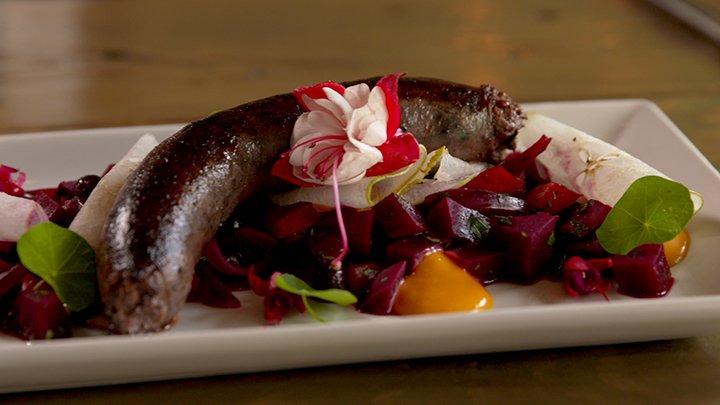
Food for Thought
This story introduces young people developing urban gardens, food forests, beekeeping, teaching gardening in schools, and food rescue, to the ultimate end product
-
Farm to Fork: Primary and Secondary Processing
How does food get from the farm to our table? In this program we trace the route cereals, fruits, vegetables and dairy products take to get from the point of origin to the consumer. We also explore why there are often several processing steps in between before it can reach your plate.
-
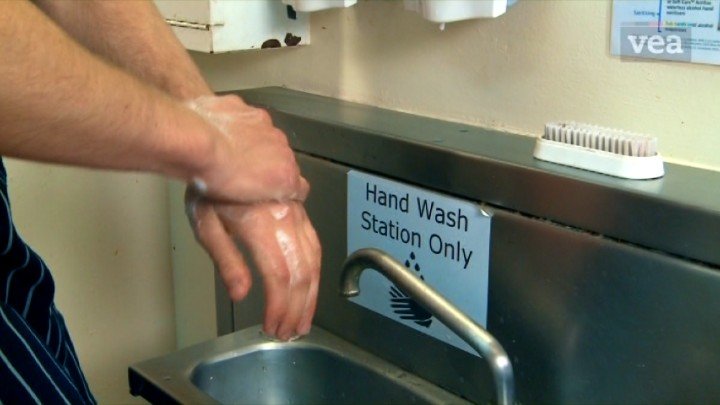
Food Safety and Hygiene
Food safety is an important topic to all students learning how to prepare food. This video covers the most important food safety and hygiene to teach (or remind) students about best practice covering the areas of: cleaning, food storage, avoiding cross contamination, and safe heating and cooling practices.
-
Foods for Special Needs
Agriculture and trade have completely revolutionised our diets. We now have an amazing range of things to eat. But not everyone can feast freely. Many people have special needs that shape what they can eat and when. Food for Special Needs examines food allergies and intolerances, dietary-related diseases and disorders. Cultural and religious beliefs that determine diet are also considered.
-
Behind the Scenes
This program focuses on the preparation of meals and their presentation, we first look at the range of knives used by chefs. Presentation and garnishes come next, including julienne vegetables, deep fried vegetable crisps, turned mushrooms, radish roses, fanned strawberries, segmented oranges and carrot curls. This program also demonstrates plating a meal, featuring an entree, two types of main course, and a dessert.
-
Setting the Scene
In this program we look at different aspects of planning a menu: food combinations, special dietary needs and budgeting. We explain table setting, including the components, types of covers and folding serviettes and we’ll examine styles of service, and various aspects of serving the meal.
-
Vegetable: Cooking Techniques
Vegetables, while often seen as accompaniments or side-dishes, are very versatile and flavorsome for the knowledgeable chef. This appealing, practical program is led by an experienced industry chef, who demonstrates cooking techniques for a variety of vegetables. Hospitality audiences will learn how to braise, roast, steam, grill, flame grill, and stir fry. How to select and use knives and cooking equipment provides the finishing touches on a highly creative area of culinary expertise.
-
Meat: Selection and Preparation
Food enthusiasts around the world have long viewed meat, in all its varieties, as the pinnacle of cooking. But a lot of skill and knowledge is needed to deliver fantastic meat dishes. This step-by-step program focuses on how chefs prepare meat before cooking. A professional chef guides viewers through identifying meat cuts, hygiene and safety, storage and packaging, knife selection, and meat cleaning and boning. Audiences in hospitality will gain a technical understanding of meat and how best to prepare a cut before cooking. An ideal companion program to “Meat: Cooking Techniques,” this program has plenty to offer for those with a passion for cooking.