Ecosystems and biomes takes students on a journey around the globe to tropical rain forests, deserts and the ocean. Live footage and colorful graphics teach students about regions and climates, and explain the impact environments and living organisms have on each other. By viewing this program, students will come to understand biomes, how plants and animals coexist, climates and regions.
Subjects: Earth Science
-
Real World Science: Fossils and Dinosaurs
The age of dinosaurs comes alive as viewers take a trip back in time. State-of-the-art animatronic dinosaurs help to create what life was like 60 million years ago. In this program students will learn the names and distinctive features of many of the most common dinosaurs. They will discover how fossils are formed and come to understand that fossils can give us clues about how dinosaurs lived and died.
-
Real World Science: Rocks and Minerals
Satellite footage, telescopic photos and animation are used to teach students about the many fascinating aspects of our solar system. Viewers are introduced to ancient astronomers, telescopes, observatories and space exploration. Students will discover exciting facts about planets, orbits, gravity, revolution and rotation. The program also features discussions of the sun, comets, asteroids and meteors.
-
Real World Science: The Science of Climate Change
This live-action video program explores the different climates found on earth. Through use of video footage, photographs, diagrams and colorful, animated graphics and labels, viewers will come to understand how weather, landforms and location affect climate in various places all around the world. The program also discusses climate change and the effects of human behavior and how it impacts climate.
-
The Cycles: Water, Carbon, Nitrogen, Phosphorus
Change is a constant of life. The natural cycles that balance and regulate our Earth and atmosphere provide the necessary conditions for sustaining a diverse range of life forms on the planet. But what actually occurs in these cycles? The Cycles Collection looks at the critical role the carbon, nitrogen, phosphorous and water cycles play in the life of plants, animals, bacteria and our planet. This motion-graphics driven program simply yet clearly explains the key stages and processes of each cycle and why the cycles are so important to all life on our planet. An ideal resource for viewers seeking a scientific understanding of these cycles.
-
Eco Pioneers: A Case Study of Bega
The town of Bega, on the south coast of NSW is working to transform their town into a sustainable community. Through the work of “Clean Energy for Eternity”, this program follows Dr Matthew Nott as he charts their journey into solar PV, wind power and the local council’s exploration of tidal energy. This program provides a useful case study on environmental sustainability for senior geography students.
-
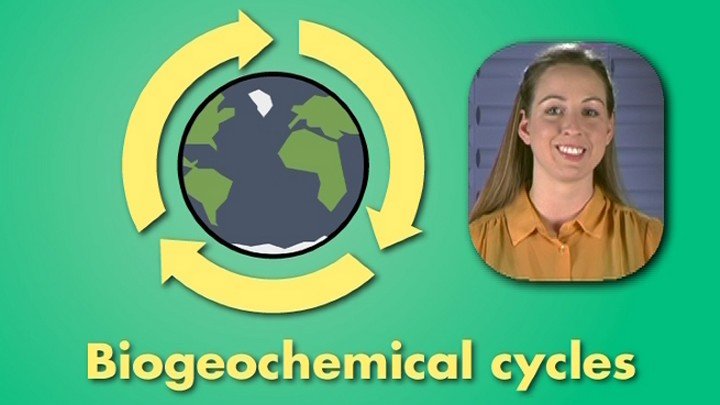
Module 8: Earth Systems
All systems on Earth end up working together in the end. Honestly, it’s more heartwarming than the last day of summer camp. But sometimes people get in the way, like that kid who keeps hiccupping during the group meditation. Can the hiccups be cured? Can humans live in harmony with Earth systems? Let’s talk about it.
-
The Christchurch Earthquake: A Case Study
The destructive and unexpected nature of earthquakes has remained a constant threat since civilization began. Suitable for all secondary audiences, this two-part program firstly examines the scientific aspects of an earthquake, focusing on the earth’s structure and the changes which take place both before and after a seismic event. The second part is an in-depth case study of the February 2011 earthquake in Christchurch. A devastating event for the city’s residents and surrounding landscape, viewers hear firsthand accounts from seismology experts, emergency response leaders, rebuilding and reconstruction co-coordinators, and locals.
-
Teaching Systems – Earth Science SuperPack
So, Earth. It’s where we humans live. In fact, it’s the only planet known to support life. But what makes Earth capable of supporting life? How exactly does the planet function? This video series addresses these questions by investigating Earth’s place in the universe, its formation as a planet, and its relationship with the sun. Systems thinking and conservation are touched upon as we explore Earth as an energetic, dynamic, and recycling planet.
-
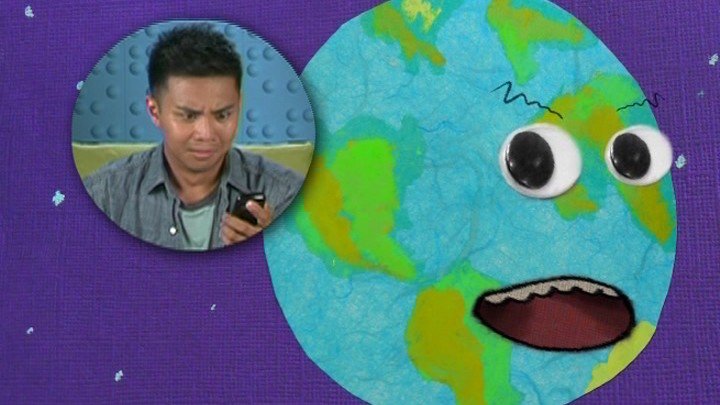
Module 1: Earth’s Place in the Universe
At one point or another, everyone wonders about the universe. What is it? Where did it come from? And most of all, where does Earth fit into the equation? This module puts Earth and the experience of earthlings into the context of the solar system, the galaxy, and the universe at large.