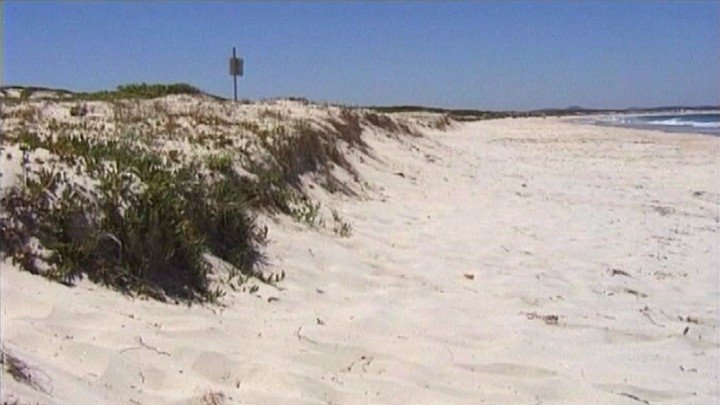
Coastal dunes are good examples of fragile ecosystems. This video explores dune ecology, the impact of human-induced change and the management of these ecosystems through coastal dune rehabilitation. Case studies shown include dunecare groups, high school student groups, Bitou bush control, dune revegetation and ecosystem re-establishment after sand mining.
Subjects: Earth Science
-
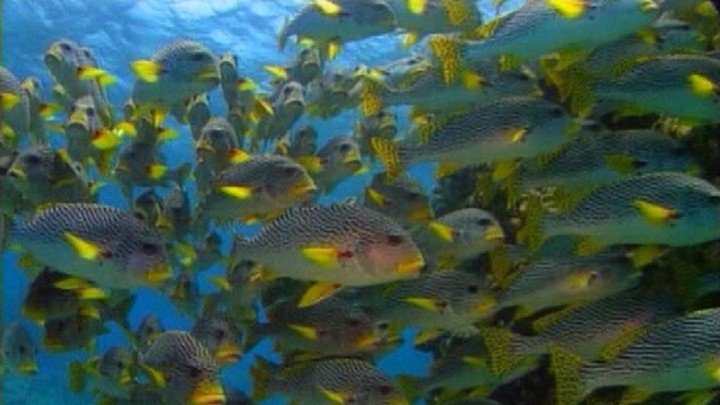
Ecotourism
A film which examines what constitutes ecotourism and what does not. Different types of ecotours; whale watching and sea kayaking in Canada, Coral islands in North Queensland, wildlife research in Mexico. This video will also examine the changing expectations of tourists and the effect on the environment, local communities and economies.
-
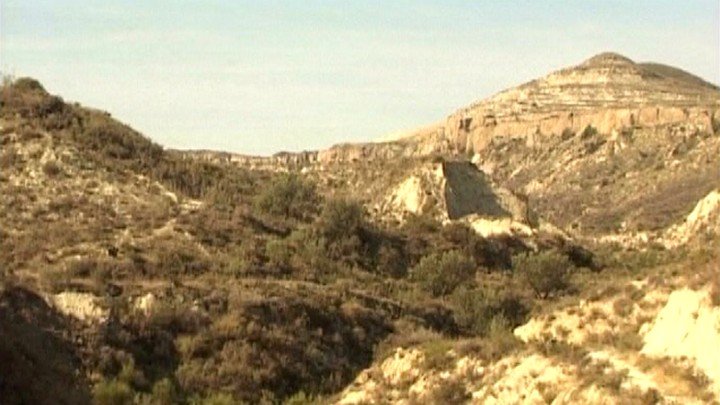
Desertification
Shot on location in Spain, this program examines the processes that contribute to desertification as well as its physical and human consequences. With the help of local farmers and technical advisors, it also explores techniques to prevent desertification as well as resource management strategies in arid regions.
-
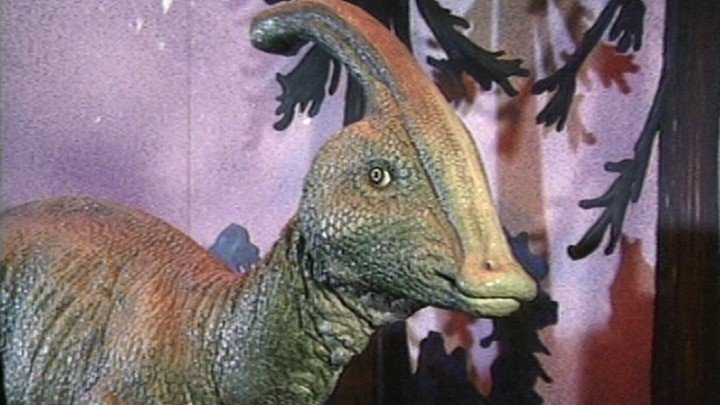
Dinosaurs
Innovative scientific methods used to answer basic questions about dinosaurs. Topics include what did dinosaurs look like, what did they eat, how big and how strong were they, how did they move, why did they have long tails and necks, who did they fight and why?
-
Chemistry of the Environment
Chemistry of the Enviornment examines Porgera Papua New Guinea Gold Mine: An environmental impact study looking at heavy metals in the food chain down river. Treatment of waste stream for heavy metals. Topics discussed include dissloved oxygen, turbidity, calcium, magnesium, nitrogen, phosphorus, sodium, chloride, carbon dioxide, sulfur oxides, photochemical smog and the ozone.
-
Coastal Landforms & Management
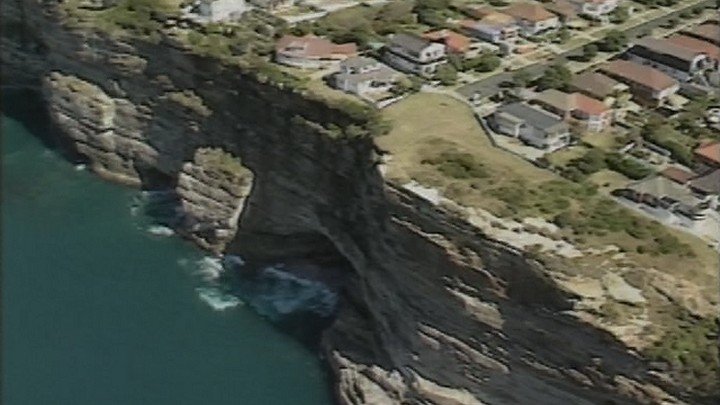
This video looks at the ‘sand budget’ and erosion of rock, exploring the balance between the natural and human forces at work on a beach.
Topics include: sources of sand, effect of waves on a beach, dunes, erosion, effect of vehicles, undercutting, storm damage, long and short term recession and refurbishment of a beach. The second section provides visuals for a “do-it-yourself” script by students. -
Biophysical Environment
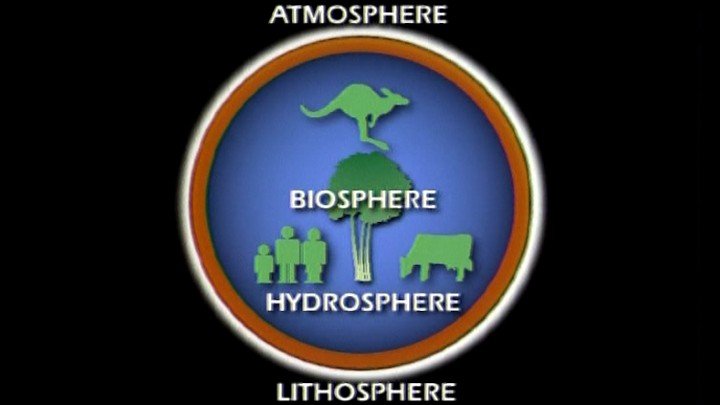
Interactions between the atmosphere, hydrosphere, lithosphere and biosphere at three scales including global latitude and vegetation patterns, regional watershed, and local mangroves.
-
Managing A Coastal Ecosystem
Built around a case study of Towra Point Nature and Marine Reserve in Botany Bay, New South Wales, the video highlight; location and change over time; an examination of the biophysical environment; the challenges of managing a significant nature reserve, including endangered species management, feral animal management and the management of the region’s dynamic and ever-changing landforms.
Towra Point Nature Reserve is the summer home to endangered migratory bird species. It also protects ever diminishing coastal rainforest habitat. -

Atmospheric Circulation
Atmospheric Circulation cover the following topics; global heat budget, convection, coriolis effect (conservation of momentum), general circulation of the atmosphere, trade winds, seasons, monsoons, and synoptic charts.
-
Antarctica-Continent of Ice
A look at the coldest place on earth: the survival of its wildlife in the extreme temperatures; various ice forms including glaciers, ice shelf’s and icebergs; the unusual dry valleys and the work of scientists studying the Antarctic.