In Professor Child’s Children and Grief series, children teach others about the grieving process by sharing their personal stories of losing a loved one. We hear about their grief and loss and how they are coping and healing. These children have experienced a life-changing event, yet manage to share their stories with a sense of strength and resiliency. Viewers will be left with a feeling of hope and an understanding they are not alone in grieving the death of a loved one. Each volume includes a companion workbook with numerous discussion questions and creative exercises corresponding to the film;
Subjects: Death and Grieving
-
Death: A Personal Understanding
Whether it is the passing of a loved one or the thought of facing our own mortality, death can be a frightening and often misunderstood experience. This series will take you on a journey towards the understanding of death as an integral part of life that each of us must face. Hosted by Dr. Robert Kasternbaum, Professor of Gerontology at Arizona State University, each program explores one aspect in the process of understanding death including cultural differences, the grieving process and a society in denial. (10 x 30:00)
-
Super Pack – All 3 titles
In Professor Child’s Children and Grief series, children teach others about the grieving process by sharing their personal stories of losing a loved one. We hear about their grief and loss and how they are coping and healing. These children have experienced a life-changing event, yet manage to share their stories with a sense of strength and resiliency. Viewers will be left with a feeling of hope and an understanding they are not alone in grieving the death of a loved one. Each volume includes a companion workbook with numerous discussion questions and creative exercises corresponding to the film. Includes: The Experience and Feelings, Ways to Cope and Life After Death.
-
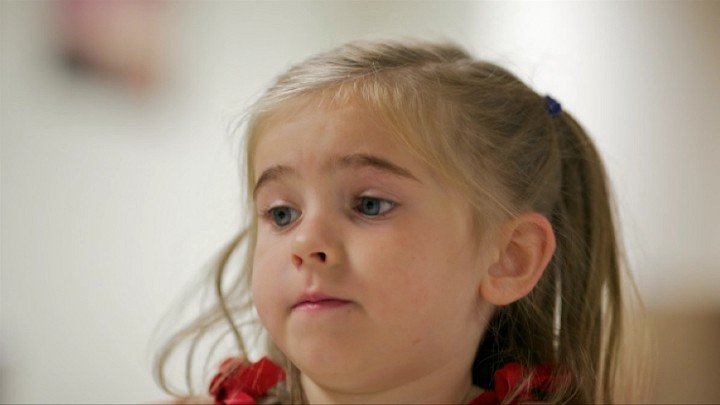
The Experience and Feelings
In Volume 1, The Experience and Feelings, chapters include My Story, What Grief Means to Me, Worries and Challenges, and What I’ve Learned. In Professor Child’s Children and Grief series, children teach others about the grieving process by sharing their personal stories of losing a loved one. We hear about their grief and loss and how they are coping and healing. These children have experienced a life-changing event, yet manage to share their stories with a sense of strength and resiliency. Viewers will be left with a feeling of hope and an understanding they are not alone in grieving the death of a loved one. Each volume includes a companion workbook with numerous discussion questions and creative exercises corresponding to the film.
-
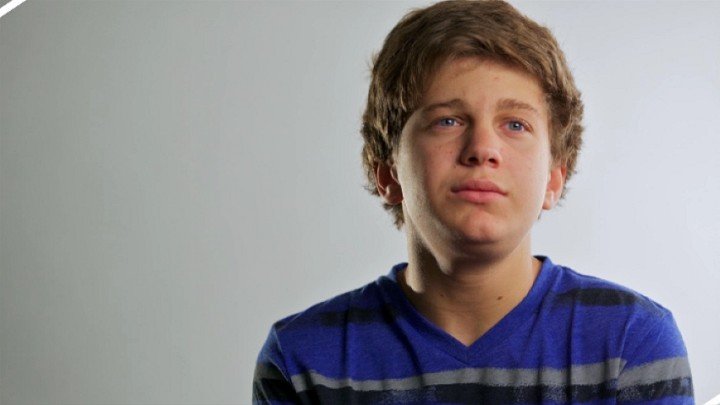
Ways to Cope
In Volume 2, Ways To Cope, chapters include What Has Helped, Advice, and Celebrate and Remember. In Professor Child’s Children and Grief series, children teach others about the grieving process by sharing their personal stories of losing a loved one. We hear about their grief and loss and how they are coping and healing. These children have experienced a life-changing event, yet manage to share their stories with a sense of strength and resiliency. Viewers will be left with a feeling of hope and an understanding they are not alone in grieving the death of a loved one. Each volume includes a companion workbook with numerous discussion questions and creative exercises corresponding to the film.
-

Life after Death
In Volume 3, Life After Death, chapters include Life After Death, Hopes and Dreams, and I Am. In Professor Child’s Children and Grief series, children teach others about the grieving process by sharing their personal stories of losing a loved one. We hear about their grief and loss and how they are coping and healing. These children have experienced a life-changing event, yet manage to share their stories with a sense of strength and resiliency. Viewers will be left with a feeling of hope and an understanding they are not alone in grieving the death of a loved one. Each volume includes a companion workbook with numerous discussion questions and creative exercises corresponding to the film.
-
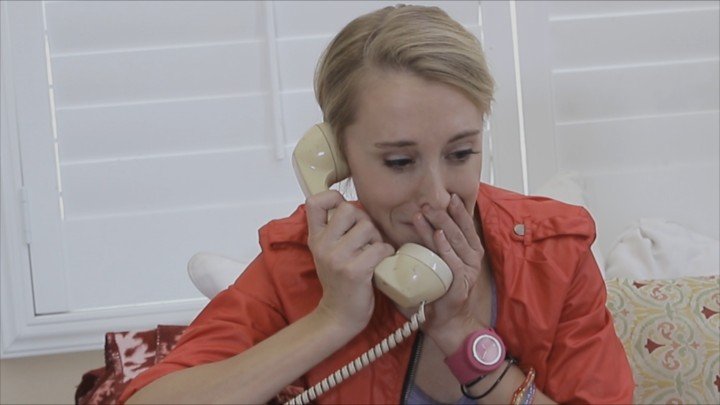
Broken Families: Lydia’s Story
Lydia’s life as a child was filled with family dysfunction, drugs, abuse, and the death of her mother. She ended up in the foster care system before the age of 10 and would endure moving between 36 different foster homes. Lydia was left with a lack of identity, belonging, and self-worth. The longing for her family and her loneliness created a cycle of destruction or “acting out.” Nothing or no one could fill the void she felt. Somehow, she found an incredible strength to turn her life around. Living out of a car, she put herself through school and became determined to have her own family, providing a loving home for her two children; something she never had.
-
Moral Decisions: The Value of Life
This video resource discusses the moral, ethical and emotional issues of Euthanasia using well known case studies to prompt discussion and debate. Tony Bland (Hillsborough disaster) was left in a permanent vegetative state and his parents wanted him to be allowed to die but this involved stopping feeding him. Diane Petty (a lady with advanced motor neurone disease) wanted her husband to be allowed to help her die without facing criminal prosecution. This informative resource discusses and opens debates on the issues of moral decisions around a right to life.
-
Death: A Personal Understanding – Disc I
Contains: The Deathbed; Grief and Bereavement; A Child’s View of Death; Sudden Death; Facing Mortality.
-
Death: A Personal Understanding – Disc II
Contains: Fear of Death and Dying; The Dying Person; What is Death?; Death Rituals; The Good Death.