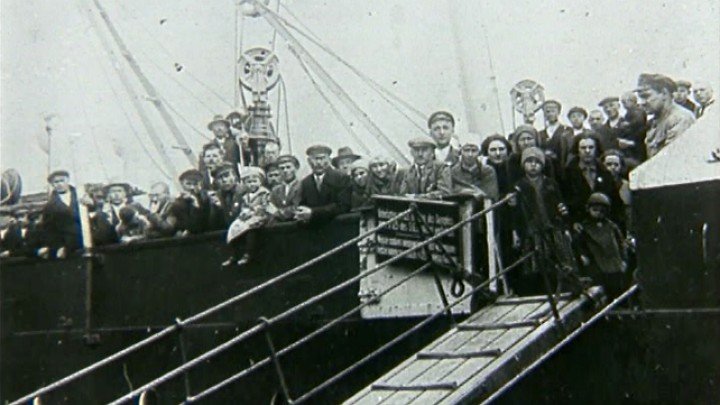
Immigration and multiculturalism, citizenship and discrimination – themes emerging from the vivid memories of four immigrants. Each from different cultures, emigrating to a strange, far-away land, they recall hopes, dreams, and the difficult realities encountered during the process of cultural assimilation and the achievement of citizenship and pride their adopted home – Canada.
Subjects: Communities and Families
-

Persons At Last
Women as a minority, lacking even the most basic rights of citizenship, cultural and economic? Hard to believe, but not until 1929 and the famous Person’s Case were women legally recognized as human beings entitled to vote and to rights separate from those enjoyed by their husbands. Through the fascinating memories of four seniors – all female activists, this show explores the effect of the Person’s case and the long, ensuing fight for women’s equality in multicultural Canada.
-
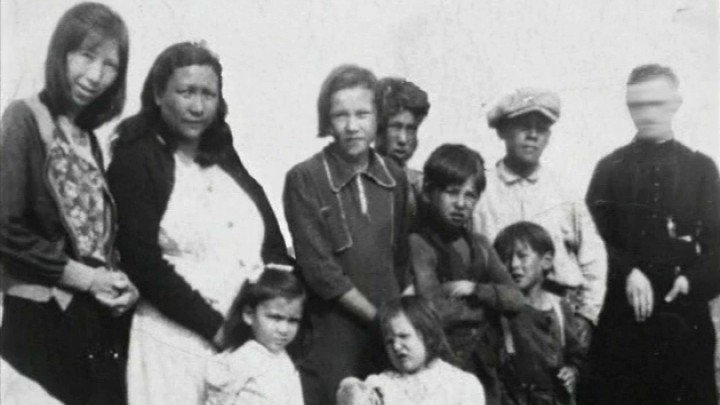
Cruel Lessons
Residential Schools, the term conjures up a history of abuse for Canada’s First-Nation peoples – poignant reminders of the cultural and citizenship issues under investigation in the press, courts and Government. Their own language forbidden; constantly told their culture was inferior; subjected to physical and psychological abuse, four seniors (male and female) remember the cruel lessons absorbed during their “school days.”
-
Population Pressure – Mexico City
Pushed off the land by population growth, thousands of people are pouring into Mexico City. The quality of life is often worse than their previous existence. For government, massive migration creates enormous transport, amenities and pollution problems. If planners can find solutions to these problems then this will offer hope to cities everywhere in the developing world.
-
Multicultural Food
This video is an international journey through four different cultures by way of their traditional foods. It explores the influences of religion, landscape, lifestyles, and ingredients on food presentation and preparation from Japan, First Nations, Lebanon, and Italy.
-
Letter to Santa
This enchanting puppet story combines the unique feeling of an Australian Christmas with the magic of the Santa Claus legend. Sally lives in drought-stricken outback Australia, and writes to Santa asking not for presents, but for rain. Joey the kangaroo and other animals help Santa in his mission to help Sally, by bringing a giant snowball to Australia from the North Pole. A truly delightful story, loved by young ones.
-
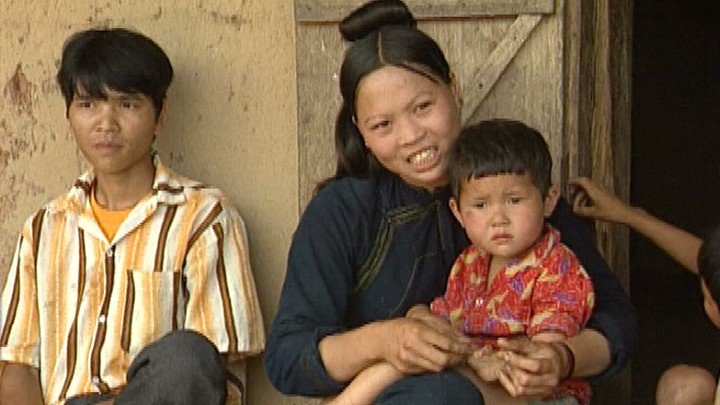
Women in Development
Ideal for Secondary Geography and Society and Culture courses, this video analyses the impact of gender roles on the lives of women in Vietnam, Micronesia, and the Solomon Islands. The focus of the video is on women’s health and education issues, and women’s role in environmental issues. Produced with assistance from AusAID.
-
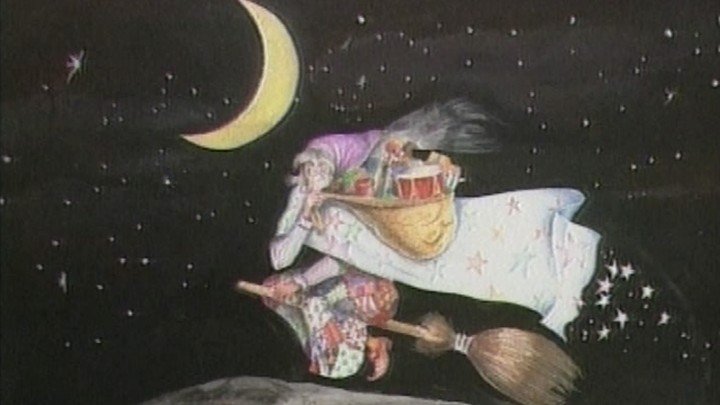
Christmas Around the World (K-4)
An introduction to the customs of Christmas as they are celebrated in different cultures. We follow the different gift-bringers and customs of Holland, Luxembourg, Belgium, Russia, Italy, Spain, Sweden, Germany, France, Denmark, Poland, England, China, the Philippines, Mexico and Brazil. While customs around the world may be different, Christmas can still mean for everyone a time for giving.
-

Canadian Identity
This video raises questions about identity and what it means to be Canadian, what do we share as a people, and what makes us unique? Are there any values we can call Canadian? Different viewpoints are given for discussion. Five major issues affecting Canadian identity are discussed; regionalism, French/English relations, multiculturalism, native issues and the influence of the USA.
-

L’ Identité Canadienne
Cette vidéo soulêve des questions sur l’identité et la signification d’être Canadien – ce que nous partageons en tant que peuple et ce qui nous rend unique. Y a-t-il des valeurs typiquement canadiennes? Différents points de vue à discuter vous sont proposés. Cette vidéo-cassette examine cinq questions qui ont un effet sur l’identité canadienne: le régionalisme; les relations Anglophones/Francophones; le multiculturalisme; les Autochtones et l’influence des Etats-Unis.