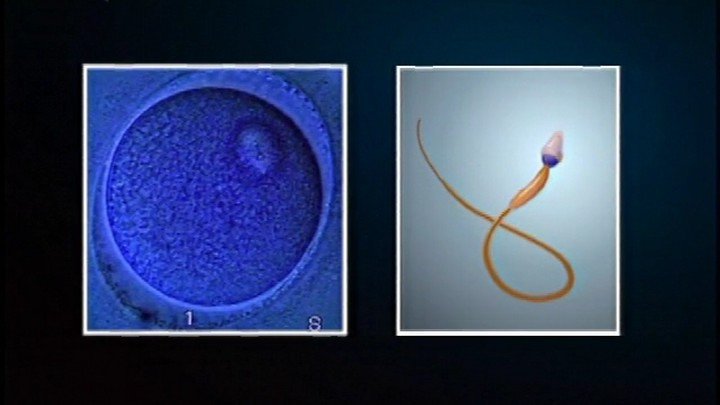
During the initial stages of life, one male cell and one female cell combine and set the stage for cell division. Cells continue to divide and differentiate and cause us to grow-our bones get longer and our muscles and organs get bigger. Because our tissues are made of cells, and our organs made of tissues, more cells must be created in order for us to develop and grow. Through a delicate balance of chemistry and cell division, a mature human being develops and is ultimately comprised of about 75 trillion cells. In this lesson, you’ll learn about how atoms play a part in the chemistry that makes life possible and the ways that cells function and divide.
Subjects: Biology
-
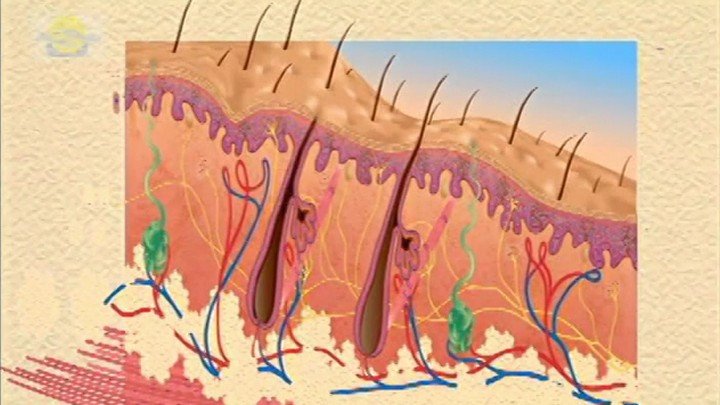
Tissues & the Integumentary System
As you learned in Lesson 1, there are different levels of organization in the human body-from the cellular level to the organism level. Tissues are comprised of a collection of cells that have a common function; organs are comprised of two or more common tissues, and organ systems are comprised of organs and their accessory structures. In Lesson 2, you studied the chemical and cellular levels of organization. In this lesson, you’ll further your study of organization and learn about the four types of tissues in the human body. At the next level of organization, we’ll study the largest organ in the human body-the skin. Finally, you’ll begin your study of an organ system-the integumentary system, which contains the skin and its accessory organs.
-
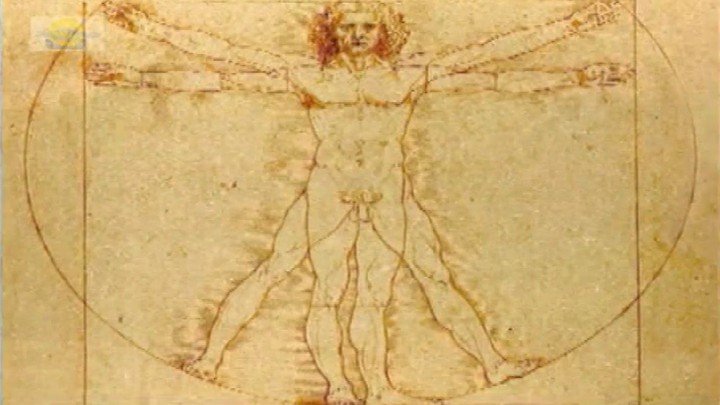
Anatomy & Physiology: An Introduction Box Set (All 14 Lessons on 2 DVDs)
“Anatomy & Physiology: An introduction” is an introductory course for non-science majors. This course provides a comprehensive survey of the discipline, including fundamental principles and concepts. Students will be able to identify the structures of each of the body systems and relate how the body maintains homeostasis. Physiological processes between the exchange and use of energy in the body and how they relate to lifestyle and health are discussed. Finally, students will learn how to communicate clearly with health care professionals and make informed decisions about personal health care and lifestyle.
-
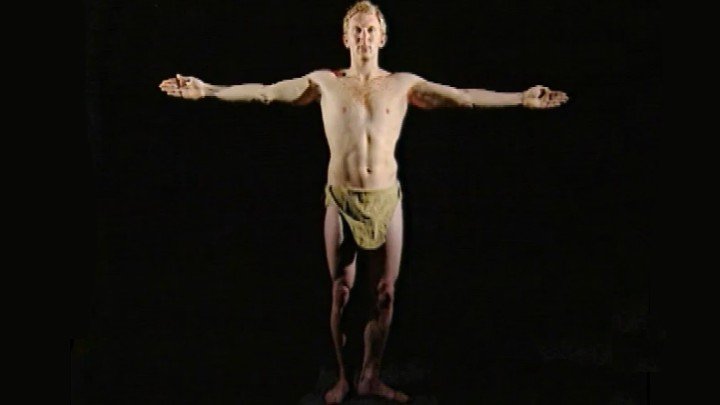
Introduction to Anatomy & Physiology
From the tiniest cells to the largest organ systems, the human body is a complex organism that is capable of both power and grace. When we think of a ballerina, we might conjure images of grace and fluidity. But such elegance relies upon the strength and power of the structures within the body. When we study the human body, we have to ask ourselves not only “How is it structured?” but also “Why does it work that way?” The human body’s form and function are both complementary and interrelated-they compromise in many ways. These are questions that you should ask yourself in every lesson-the relation between form and function is a central theme throughout this course.
-
Carp Invade, Threaten Great Lakes’ Ecosystem
Tom Bearden looks at how some Midwestern states are battling the threat of carp overpopulation, which is damaging the Great Lakes’ fragile ecosystem.
-
Nobel Laureate Looks at Climate Change and Biodiversity
Correspondent Paul Solman speaks with Nobel Prize winner Dr. Eric Chivian about human need for biodiverse planet.
-
Students Build Biological Machines
Scientists in the growing field of synthetic biology use basic biological “building blocks” – snippets of DNA – to engineer useful living organisms, like bacteria that can break down plastic. Tom Bearden reports on a do-it-yourself biology competition for college students.
-
Fitness, Skill and Training
When beginning any health and fitness program we need to test our health-related and skill-related components of fitness in order to expose our strengths and weakness and to determine what components we need to work on. This doesn’t just apply to a trained athlete, but is just as relevant to the untrained person of any age. In this program we learn practical tests that measure the health-related and skill-related components of fitness, how to apply the FITT principle to a training program, and what happens to the cardio-respiratory system when we exercise.
-
The Body in Motion: An Introduction
The human body is always on the move. Whether we are jumping, running or sitting still; blood is pumping, muscles are contracting, and joints are moving. The body’s internal systems perform complex processes every second of every day, so we can spend our time doing whatever we need to. This program takes us inside the human body, showing us just how the musculoskeletal and cardio-respiratory systems work and how they influence and respond to movement. This information-packed program is presented in a clear and logical format, with vivid animations and real-life examples that will engage viewers from start to finish.
-
Influences on Movement
How can we use biomechanical principles to enhance performance? Trained athletes, fitness fanatics, and casual exercisers alike can all benefit from an understanding of biomechanics. In this program we see the main types of motion in action and learn how to calculate velocity, acceleration and momentum. We examine the two types of balance, discover the importance of knowing your centre of gravity and learn how to calculate force. We also explore the principles of fluid mechanics, including buoyancy, displacement and resistance. This is an action-packed, insightful examination of the mechanics of our bodies in motion.