
Topics examine include the emergence of Japan as a major power, the US Neutrality Act, the Second Sino-Japanese War (China Incident), Japanese occupation of Indochina, Japanese strategy for war against the USA and Britain, bombing of Pearl Harbor, fall of Singapore, bombing of Darwin, and Japanese conquest of South East Asia.
Producers: Classroom Video
-
WWII – Conflict in the Pacific Part 2
Topics examined include Allied Strategy against Japan, Battle of the Coral Sea, Battle of Midway, Guadalcanal, the cult of Bushido, New Guinea., Island-hopping, Yalta Conference, Iwo Jima, Okinawa, Potsdam Conference, the A-bomb and subsequent controversy over its use, Allied occupation of Japan (1945-52), and consequences of the war in the Pacific.
-
Critical Listening
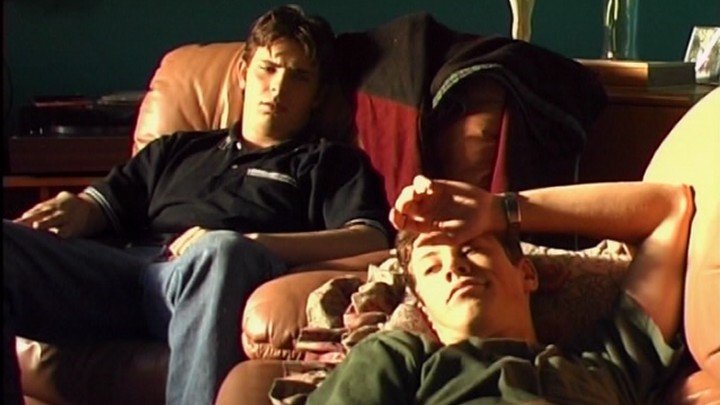
Richard Morecroft presents this video as an introduction to the concepts of critical listening. Listening critically means being able to put yourself in the speaker’s shoes, to find out the intention, attitude or purpose of the speaker. Dramatized examples explore the following: hearing versus listening, listening for purpose, listening for choice of language, tone, pitch, volume, visual cues such as body-language, pause and emphasis, and effective listening skills.
-
Canadian Identity
This video raises questions about identity and what it means to be Canadian, what do we share as a people, and what makes us unique? Are there any values we can call Canadian? Different viewpoints are given for discussion. Five major issues affecting Canadian identity are discussed; regionalism, French/English relations, multiculturalism, native issues and the influence of the USA.
-
L’ Identité Canadienne
Cette vidéo soulêve des questions sur l’identité et la signification d’être Canadien – ce que nous partageons en tant que peuple et ce qui nous rend unique. Y a-t-il des valeurs typiquement canadiennes? Différents points de vue à discuter vous sont proposés. Cette vidéo-cassette examine cinq questions qui ont un effet sur l’identité canadienne: le régionalisme; les relations Anglophones/Francophones; le multiculturalisme; les Autochtones et l’influence des Etats-Unis.
-
Canadian Immigration
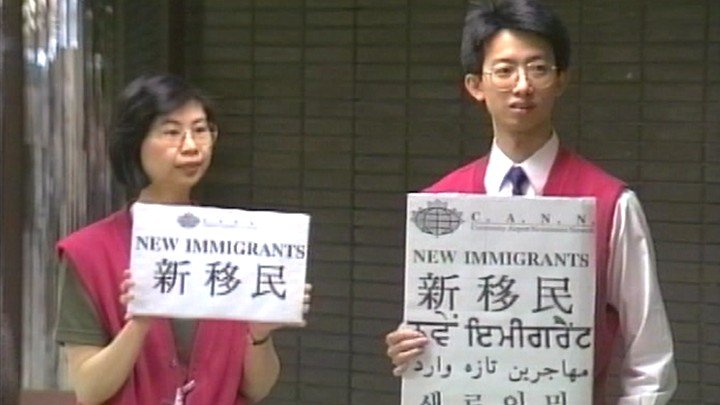
Today a third of our population has an ethnic background other than French or English. This video examines the issues Canada faces on immigration. Topics include why do we need immigration, Canada’s history of immigration, how immigration works, the immigrant experience and debunking common myths about immigration.
-

Le Canada L’immigration
Aujourd’hui au Canada, le tiers de notre population a des origins ethniques autres que française et anglaise. Cette vidéo fait un survol de l’influence de l’immigration sur la société canadienne. Les matiêres incluent pourquoi l’immigration est-elle nécessaire, l’histoire de l’immigration au Canada, le fonctionnement de l’immigration, l’expérience des immigrés et les mythes de l’immigration.
-
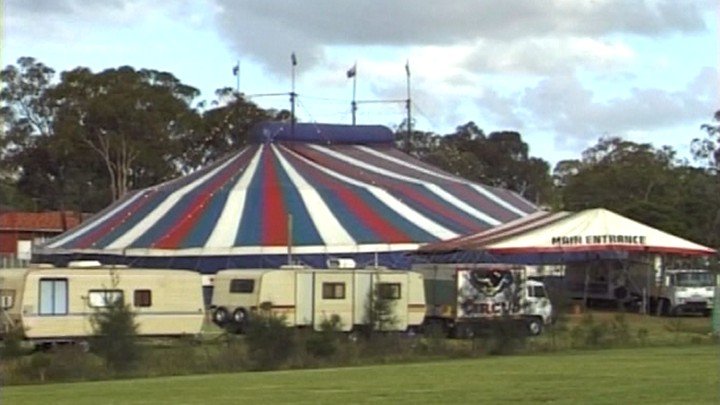
Under the Big Top
What happens at the circus? In this video, we go behind the scenes at the circus, allowing the audience to see what goes on before the show starts. We take a look at sideshow alley, and the most popular circus acts. The importance of teamwork and trust are emphasized, as we look at some of the more dangerous routines. The role of children in the circus, the clowns, the history of the circus and the role of animals, are also covered.
-
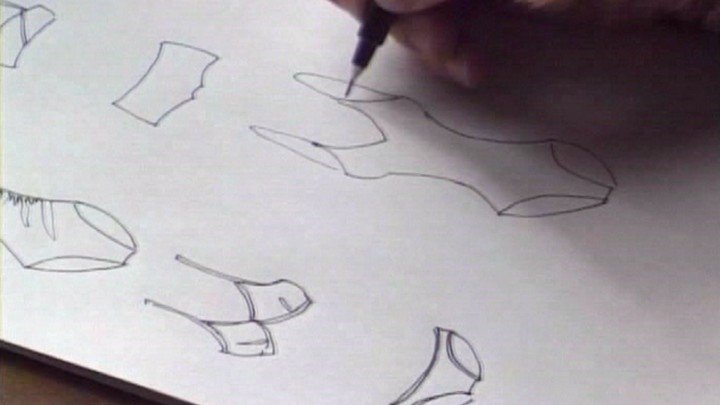
Clothing Design & Manufacture
Surveying the market to find what is wanted and what fashion will dictate. Topics include cotton factory visit, bonds, spinning, knitting, dyeing, cutting, design and use of computers.
-
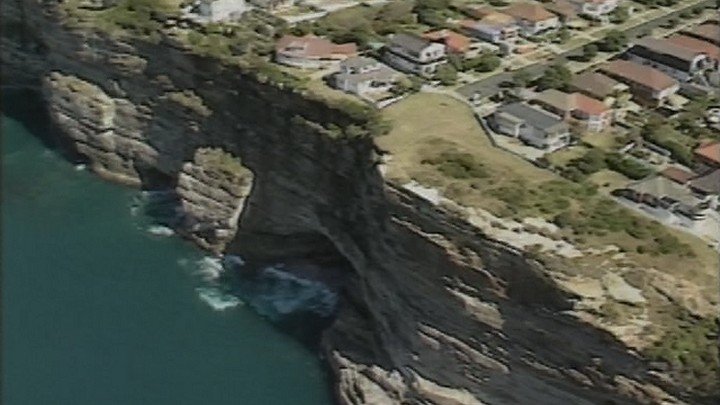
Coastal Landforms & Management
This video looks at the ‘sand budget’ and erosion of rock, exploring the balance between the natural and human forces at work on a beach.
Topics include: sources of sand, effect of waves on a beach, dunes, erosion, effect of vehicles, undercutting, storm damage, long and short term recession and refurbishment of a beach. The second section provides visuals for a “do-it-yourself” script by students.