This live-action video program is about food chains. The program is designed to reinforce and support a students comprehension of food chains and the relationship between plants and animals. Through use of video footage, photographs, diagrams and colorful, animated graphics and labels, viewers will come to understand how that the food chain represents the continuous exchange of energy among organisms.
Producers: Cerebellum Corporation
-
Real World Science: Forces
Real World Science: Force is one of a series of videos that encourages children to explore the world of science in their immediate surroundings. Through observation and experimentation, students will learn properties of forces, Newtons Laws of Motion and how pressure affects the world around them. This program encourages students to explore their surroundings and to discover the fascinating impact forces have on their everyday lives.
-
Marijuana
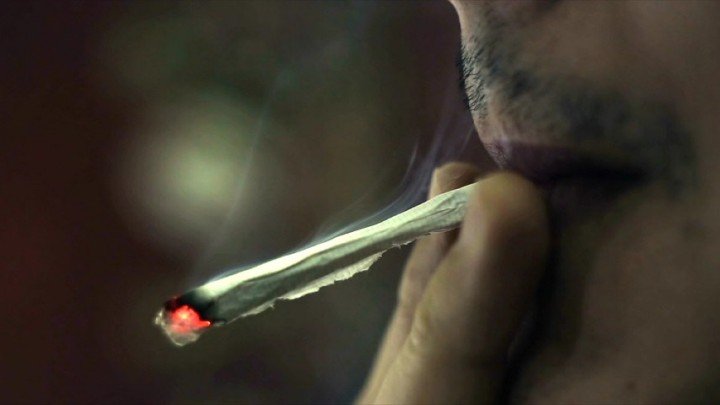
Some people use marijuana for medical reasons. Many more use it for recreational purposes. It’s legal in some states and illegal in others. This program is designed for young learners and presents information about what marijuana is and how it effects the normal functioning of your body, especially your heart, lungs and brain. Students will come to understand that people who use marijuana have difficulty with their memory, find it hard to concentrate, and have problems learning.
-
Grammar in Action: Nouns, Pronouns and Possessive Nouns
Through live-action footage, colorful graphics and animation, students will learn about nouns, plural nouns and possessive nouns. In chapter one, children will learn that nouns are words that name a person, animal, place, thing or idea. Students will also come to realize that nouns can also name more than one person, animal, place, thing or idea. Proper nouns are also discussed. Students will learn to identify nouns and proper nouns in a sentence. Plural nouns are introduced in chapter two. Through live-action video, graphics and animation students will learn simple rules they can use to turn singular nouns into a plural noun. Chapter three introduces possessive nouns to young students. Learners will come to know that a possessive noun shows that a person, animal, place, thing or idea can possess something. Through real life examples, graphics and animation, students will learn the different ways to make nouns possessive and simple rules for singular and plural possessive nouns. The program provides a variety of examples to help support a child’s understanding of each concept.
-
School Violence: You Can Help Prevent It!
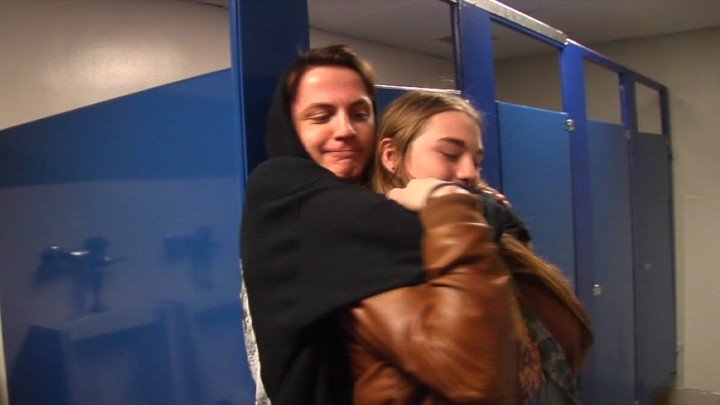
Violence is anything that hurts a person physically or emotionally. School violence refers to any act of violence that occurs within a school community. Both “threats of violence” and physical “acts of violence” create an unsettling and unsafe environment for everyone in a school community. Why does it happen? How can school violence be prevented? This program explores answers to those questions and seeks to help students understand the important role they play in preventing school violence. Through live-action, true-to-life scenarios viewers will learn to identify potential problem behaviors and warning signs that can typically lead to violence. Viewers will recognize that an important way they can prevent school violence has to do with simply being aware of the people around you and being able to spot something that isn’t quite right before it escalates. Students will come to understand the difference between a direct and indirect threat and how context of the threat determines how threats should be handled. In addition, students will learn to identify behaviors that may be warning signs to potential violent actions and that whenever they feel threatened or unsafe that they have an obligation to report the incident to trusted adult within the school community.
-
You Can Keep Yourself Safe: Touching Safety & Stranger Safety
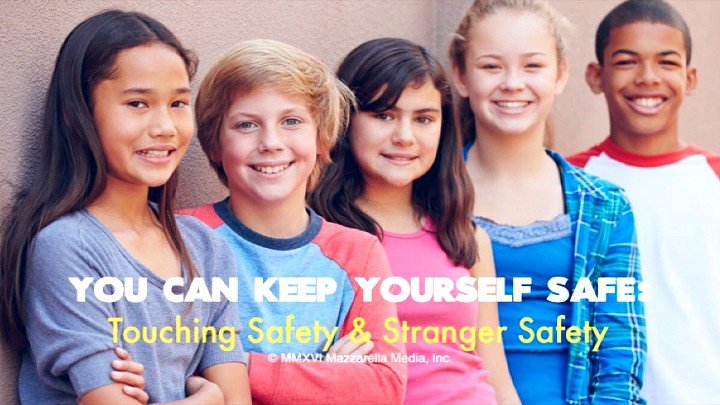
Through age-appropriate vignettes students will learn the difference between a safe and an unsafe touch. Students will come to understand that any touch whether it’s a high-five, a hand shake, a kick, a fist bump, a punch or a kiss can be labeled safe or unsafe depending on the situation and whether or not someone agrees to the touch. The video reinforces the message that only YOU can decide if it’s a safe touch or an unsafe touch and that YOU set the boundaries. Viewers will also come to know about “private parts” of the body and that nobody should ever touch your “private parts” with a few exceptions.
-
Stranger Danger Awareness: The 5 Traps
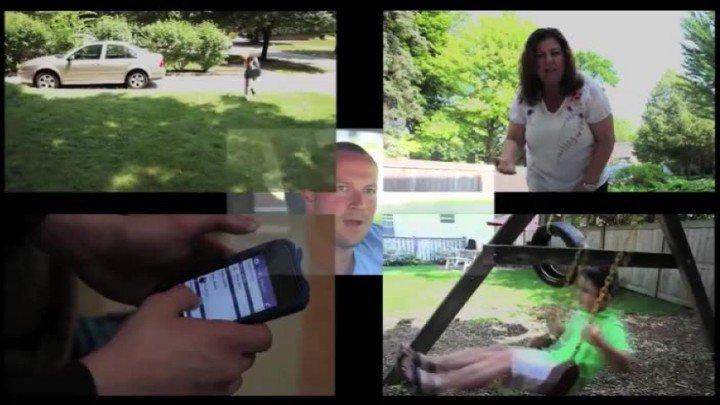
This comprehensive stranger danger program shows young viewers how to avoid five common traps ‘bad strangers’ use through a series of dramatic vignettes, and shows them how the strangers they encounter everyday on their way to and from school, in stores, and out in cyberspace can be dangerous regardless of their appearance. Students also learn how to avoid potentially dangerous situations with people they don’t know or ‘kinda know’ through this memorable look at the pet trap, the car trap, the authority trap, the playmate trap, and the technology trap.
-
Teen Dating Abuse
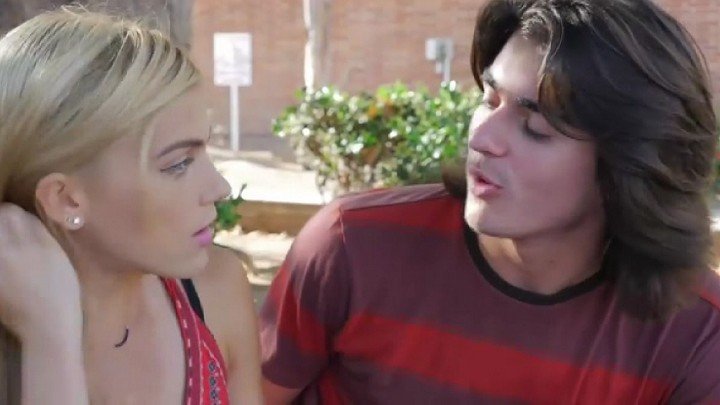
An effective program to combat teen dating abuse is an essential part of any high school health and guidance curriculum, and this one is a great tool. This is the story of Jenny- a happy, high performing student who is in her first serious relationship with Jake. As their relationship evolves, Jake monopolizes more and more of her time, isolates her from friends, and interferes with her studies before becoming verbally and physically abusive. This program brings the causes and consequences of teen dating abuse to life through a series of dramatic vignettes, and viewers learn how any young person can be affected – black or white, boy or a girl, straight or gay. The five red flags examined are constant contact, false accusations, explosive tempers, threats, and blaming. Consultant: Meredith C. Murphy, Ph.D. G Gio Martinez/ Teen LGBT Advocate
-
Real World Science: All About Vaccines
This dynamic, live-action video will inform students about the vaccines. The program begins with an explanation of the human immune system and how it defends the body from pathogens that cause disease. Viewers will learn the difference between the innate and adaptive immune systems.Students will come to understand how scientists, using the scientific method, were first able to develop vaccines and that modern scientists continue to create new and better vaccines to prevent diseases that can be deadly to people around the world. Viewers will learn the the importance of “community immunity”.
-
Real World Science: Biological Vectors and Infectious Diseases
Using incredible videography, photos, animation and graphics, this information-packed video introduces students to biological vectors. Viewers will learn that biological vectors carry and transmit disease that affect plants, animals and humans.The program explores various types of diseases spread by vectors including, Zika, Lyme Disease, Malaria, Dengue and Yellow Fever. The video vividly demonstrates how a mosquito sucks blood from a human and then explains how a pathogen is transmitted.Students will learn how scientists who study insects and infectious diseases can use the information they gather to help control and prevent the transmission of vector-borne diseases around the world.