Whether it’s work inside the classroom, or play outside the classroom, conflicts can arise. It’s natural. This program helps viewers to learn the skills necessary to foster cooperation, collaboration and compromise in just about any situation. By viewing this program, students will learn specific methods and strategies for getting along.
Producers: Cerebellum Corporation
-
My Blog: 5 Ways To Deal With Anxiety
Anxiety is just part of being teen. In this program students will learn 5 coping skills that will help them to manage their feelings of anxiety. When Claire has to make a presentation in front of her class, she learns that planning and preparation can assist in managing anxiety levels. When Kyle learns his parents are divorcing, he comes to understand that he doesn’t have control over the situation. He learns that staying active and exercising is a healthy way to handle anxiety. Megan becomes anxious when her friends get involved with other activities, which alienates. Megan learns that she can reduce her anxiety by connecting with others. Henry saw his neighbor’s house burn down and is now anxious the same could happen to his family.He learns that having positive thoughts and positive self talk is a good way to cope with anxiety.
-
My Blog: 5 Ways To Respectfully Disagree
Whether it’s with friends, sibilings, classmates or adults, sometimes when you disagree with someone, you can feel angry, or frustrated and the disagreement can turn ugly and hurtful very quickly. In this program, true-to-life, age appropriate scenarios demonstrate five proven ways to disagree and be respectful: Stay calm, don’t make it personal, be considerate of others feelings and ideas and communicate by using I-statements and good listening skills.
-
My Blog: A Little Respect Please
What is respect? What does respect feel like? How do you show respect? Chelsea talks about respect on her blog. Viewers will learn what respect is and about different ways people disrespect people for their ideas or being different. The program also discusses the concept of respecting rules and the importance of self-respect.
-
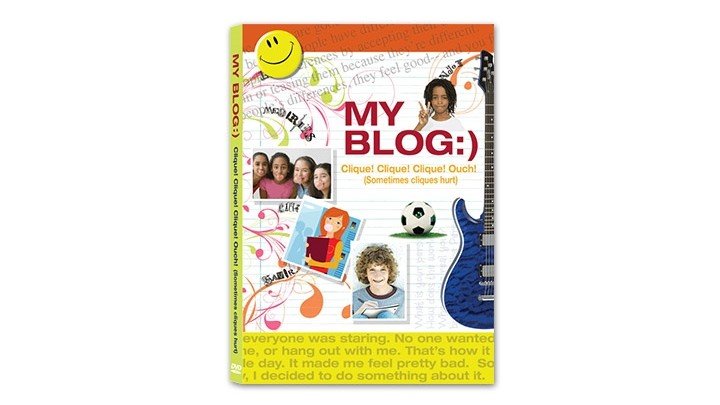
My Blog: Clique, Clique, Clique! Ouch! (Sometimes Cliques Hurt)
Finding their place in a particular social group is a primary concern of my children. Cliques are groups of friends, but not all groups of friends are cliques. Cliques may be formed in elementary school or in middle school. Sometimes cliques are made of kids who share a common interest and other times the kids in them want to be popular or want to belong. Typically, cliques leave some kids out on purpose, and kids may act much differently than they did before they were part of the clique. Cliques can have both positive and negative effects on individuals and groups, too. This program explores how cliques can affect a student and an entire school.
-
Real World Science: Light
Using real world demonstrations and colorful graphics, Real World Science: Light teaches students the different properties of light, pertinent definitions and how light travels. Students will learn how different mediums can affect light, resulting in reflection, refraction and absorption, and they will explore the color spectrum using prisms and paints.
-
Real World Science: The Scientific Method
We solve problems every day. We also ask questions every day. In order to best come up with answers for our questions or solve our problems, we use a process. The process known as the Scientific Method gives us a format for engaging in a step-by-step approach to come up with a reasonable solution. It is important for students to understand and use the Scientific Method when solving problems and answering questions, to ensure that they identify reliable solutions. By viewing the video and discussing the concepts presented, students will enhance their knowledge about the scientific method. The video presents general information about the scientific method, as well as identifying the steps and giving real world examples of the scientific method being used to solve everyday problems or answer questions.
-
Real World Science: Weather
Viewers take a trip above the earth’s atmosphere to learn about weather around the world. Students will come to understand the relationship between water, air and heat and how they interact to make weather happen. The terms atmosphere, condensation, evaporation and precipitation are explained through animated diagrams. This program also talks about meteorologists and the instruments they use to predict weather.
-
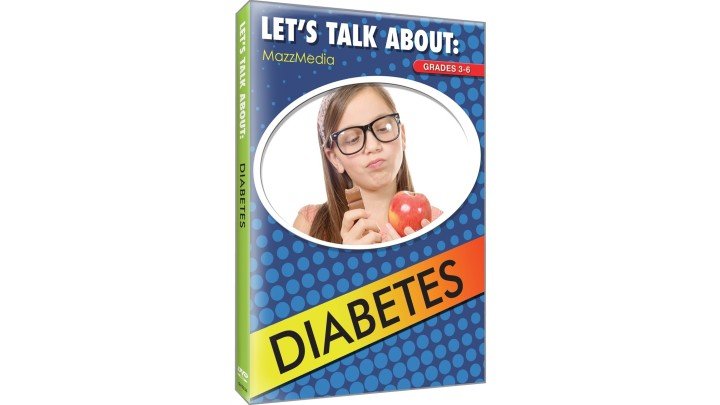
Let’s Talk About: Diabetes
Let’s Talk About Diabetes is designed to increase a student’s awareness of diabetes by presenting information that will help them better understand diabetes and more importantly know the risk factors to prevent getting the disease. Colourful animation and vivid graphics help demonstrate how energy gets to your body’s cells, and the roles of the pancreas, glucoe, blood, and insulin.
-
Real World Science: Seeds and Plants
This visually exciting program explores the world of rocks and minerals and shares what he learns with viewers. Combing animation with live video footage, the program demonstrates how rocks are formed and how they change. Students will learn to identify common minerals and identify properties of rocks.