This program includes both historical and current research methods and models of attachment behavior. We examine Bowlby, a British psychologist, psychiatrist and psychoanalyst, notable for his pioneering work in attachment theory. An excellent resource for studies in both academic and applied psychology, this program explores Bowlby’s ’44 juvenile thieves’ study and the effects of separation, patterns of attachment, behaviorism, nurturance as well as security, and insecure-resistant and insecure avoidant children.
Languages: English
-
IT Networks
Computer networks are at the foundation of Information and Communication Technology. A good understanding of the main elements and functions of computer networks is therefore crucial. This program provides a comprehensive overview of the world of networks, wireless LANs and mobile devices, key hardware and software components, wired and wireless protocols, the strengths and limitations of wired and wireless, and network security. Perfect for senior secondary TAFE and tertiary students in the fields of Information Technology and business, it is also suited to business professionals wanting a better understanding of computer networks.
-
Electrical Circuits
This program examines the basics of electrical circuits in detail. We look at various components of a circuit, voltage, current, resistance and Ohm’s Law, series and parallel circuits, and demonstrate a range of calculations for voltage, current, resistance, power and the use of Kirchoff’s Law. We look at how to use a multimeter, resistors and resistance color coding. Students are provided with clear verbal and visual explanations of the movement of current through a circuit, how it flows and how electrical energy is used, and easy-to-follow examples of how Ohm’s and Kirchoff’s Laws are applied.
-
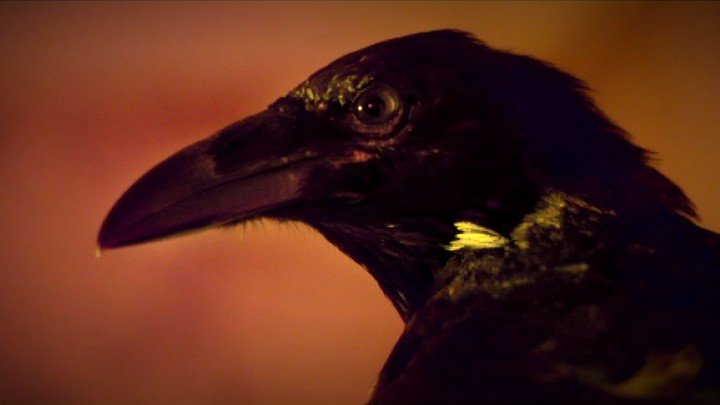
Edgar Allan Poe’s The Raven
December 1959: Poe, a young writer, has locked himself inside his seedy Hollywood motel room. Astray in his projected memories, he gets a visit from a dark bird named, ‘Nevermore.’
-
First Aid Emergencies: Communites
Accidents and injuries occur without warning. This program provides a rundown of the issues involved, and the main types of injuries that occur in the community and how they should be treated. It includes what to do in an emergency, legal and moral aspects of first aid, fractures, dislocations, strains and sprains, neck, head and spinal injuries, hypothermia and hyperthermia, and CPR (cardio-pulmonary resuscitation) – (both hands-only, and hand and mouth procedures). With clear verbal and visual information, it portrays some typical scenarios in public places where immediate first aid intervention is required and demonstrating the correct ways to administer relevant procedures.
-
First Aid Emergencies: Home
A vast number of accidents resulting in injury occur in and around the home. This program provides an explanation of the main types of injuries that occur in the home and how they should be treated. It includes what to do in an emergency, an outline and demonstration of the DRABCD procedure, dealing with burns, scalds and electrocution, cuts, laceration and bleeding, poisoning and overdose, asthma, allergies and anaphylaxis, and heart attack, stroke, diabetes and epilepsy. It provides clear verbal and visual information, portraying various scenarios within a home where immediate first aid intervention is required, and demonstrating the correct ways to administer relevant procedures.
-
First Aid Emergencies: Communities
Accidents and injuries occur without warning. This program provides a rundown of the issues involved, and the main types of injuries that occur in the community and how they should be treated. It includes what to do in an emergency, legal and moral aspects of first aid, fractures, dislocations, strains and sprains, neck, head and spinal injuries, hypothermia and hyperthermia, and CPR (cardio-pulmonary resuscitation) – (both hands-only, and hand and mouth procedures). With clear verbal and visual information, it portrays some typical scenarios in public places where immediate first aid intervention is required and demonstrating the correct ways to administer relevant procedures.
-
National Parks
National Parks conserve the natural beauty of a region with unique landscapes, flora and fauna for present and future generations. But what qualifies as a National Park? In this excellent program we examine Yellowstone National Park, The Lake District and Kakadu National Park and the challenges they face. It provides a brief history of the National Park movement, the growth of tourism and its impact, the conflicts between recreation and conservation, mining and conservation, environmental and economic needs as well as various interest groups including local and indigenous communities. This program is an ideal resource for students in geography, environmental and cultural studies.
-
Eco Pioneers: A Case Study of Bega
The town of Bega, on the south coast of NSW is working to transform their town into a sustainable community. Through the work of “Clean Energy for Eternity”, this program follows Dr Matthew Nott as he charts their journey into solar PV, wind power and the local council’s exploration of tidal energy. This program provides a useful case study on environmental sustainability for senior geography students.
-
Developing a Website
Website design and development is an exciting, highly creative industry that continues to grow at a rapid rate. This interview-led program looks at the key considerations involved when developing a website. We examine internet basics, planning a website, designing and constructing a website, and website testing. Interviewed for the program include leading website development experts Karl Ervine, IT lecturer at Victoria University, David Graves, Creative director of GWS Media and John Anderton, CEO of Butterfly Internet. Ideal for senior secondary and TAFE in the fields of information technology, graphic design and business, it provides great advice and tips on how to build a well functioning, user-friendly and attractive website.