Languages: English

  • Problems Solved: Advice from Middle Schoolers

    Problems Solved: Advice from Middle Schoolers

    In the documentary-style film, middle school aged children share their personal stories of what its like to transition from elementary to middle school. Viewers will hear from children who are going into middle school and those who have already been attending. This challenging time is captured in their engaging stories about navigating new classes, having to use lockers for the first time, dealing with pressure to get good grades, worrying about fitting in and much more. Viewers will be left with a feeling of hope and an understanding that they are not alone in their feelings about transitioning to middle school.

    Chapters include: Advice, The Lockers, The Locker Room, Time Management and Homework.
  • Talk It Out: Teens, Substance Abuse and Addiction Series

    Talk It Out: Teens, Substance Abuse and Addiction Series

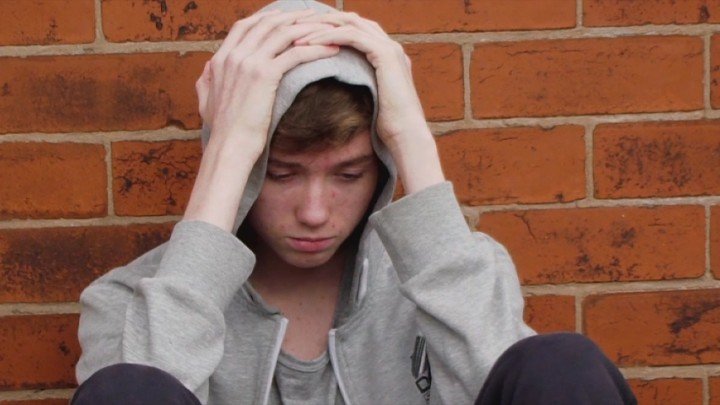
    Through vintage footage, animation, graphics, and scientific demonstrations, this series explores the various types of substance abuse and addiction and their impact on individuals, families, and society as a whole. Inlucdes the following programs: Effects of Weed on Your Body and Brain How Addiction Enslaves Your Brain Underage Drinking, Dangers and Consequences Tobacco, Vaping and Nicotine Heroin, Abuse and Addiction

  • Effects of Weed on Your Body and Brain

    Effects of Weed on Your Body and Brain

    Using vintage footage, the program opens with a discussion of how peoples’ attitudes about marijuana have changed dramatically over the years, but the one thing is certain; marijuana changes the way the brain functions. Students will learn how the THC in marijuana enters the lungs, is absorbed into the bloodstream, and enters the brain almost immediately. Viewers will come to understand the immediate effects of marijuana use on various body systems. The program discusses the effects of marijuana on attention, memory and learning and sites the evidence from scientific studies on the long-term, harmful changes in the brain. In addition, the program explores the use of medical marijuana and its legalization as a recreational drug in different states, which would pertain to its legalization in Canada as of October 17 2018. After viewing this program, students will:

    • understand that marijuana changes the way the brain functions
    • learn the immediate effects of marijuana on the body systems
    • understand marijuana has negative effects on attention, memory and learning
    • learn that marijuana is a drug that can be prescribed for medical purposes
    • recognize that marijuana is an illegal recreational drug
  • How Addiction Enslaves Your Brain

    How Addiction Enslaves Your Brain

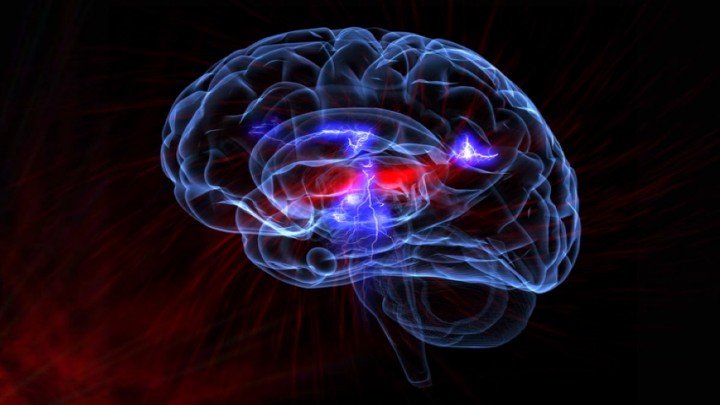
    In many surveys, the vast majority of teenagers report that when they do something their parents wouldn’t approve of, they’re just pursuing their freedom. This program begins the discussion of addiction and dependency from the point of view of surrendering your freedom. Students will learn that there are different types of addiction and that addiction is a persistent and compulsive dependence on an unhealthy behavior. In the program, students will come to understand the difference between psychological and physical dependence. Viewers will be introduced to a scientific theory called the cycle of addiction and learn that scientific research has shown that addiction is a disease that harms the brain and effects behavior.

  • Underage Drinking, Dangers and Consequences

    Underage Drinking, Dangers and Consequences

    The program starts off with an explanation of what alcohol is, how it’s produced, and its role as a celebratory beverage in our society. Students will come to understand the reasons alcohol is illegal to consume for persons under the age of twenty-one. The video delves into the immediate effects of alcohol consumption on blood circulation and breathing. Viewers will learn alcohol sedates the central nervous system and how it impacts parts of the brain responsible for emotion and behavior. The program explores the negative effects of alcohol abuse and addiction on a person, family and the community. In the end, students will come to understand that the decisions they make about alcohol will influence their health, grades, relationships, career and their freedom.

  • Tobacco, Vaping and Nicotine

    Tobacco, Vaping and Nicotine

    Using vintage footage, this program shows viewers how the social attitudes about smoking have changed dramatically over the past several decades. The program then focuses on the short term and long-term, negative effects of smoking tobacco and vaping. It explains the addictive power of nicotine, a substance found in tobacco. Students will see real, vivid scientific demonstrations of the damaging effect of smoking on the respiratory system and circulatory system. Animation and graphics help to present how smoking negatively affects every part of the human body and discusses the health and financial costs to individuals and the society.

  • Ways to Cope

    Ways to Cope

    Ways To Cope, chapters include Advice to Kids, Advice to Parents, Hopes and Dreams, and I Am. In Professor Child’s Children and Divorce series, children teach others about divorce by sharing their personal experiences. They describe what divorce means to them, how it has changed their lives, what has helped, what they love most about their families, and much more. Viewers will be left with a sense of hope and an understanding that they are not alone in experiencing divorce. Each volume includes a companion workbook with numerous discussion questions and creative exercises corresponding to the film.

  • Super Pack – All 3 titles

    Super Pack – All 3 titles

    In Professor Child’s Children and Grief series, children teach others about the grieving process by sharing their personal stories of losing a loved one. We hear about their grief and loss and how they are coping and healing. These children have experienced a life-changing event, yet manage to share their stories with a sense of strength and resiliency. Viewers will be left with a feeling of hope and an understanding they are not alone in grieving the death of a loved one. Each volume includes a companion workbook with numerous discussion questions and creative exercises corresponding to the film. Includes: The Experience and Feelings, Ways to Cope and Life After Death.

  • The Experience and Feelings

    The Experience and Feelings

    In Volume 1, The Experience and Feelings, chapters include My Story, What Grief Means to Me, Worries and Challenges, and What I’ve Learned. In Professor Child’s Children and Grief series, children teach others about the grieving process by sharing their personal stories of losing a loved one. We hear about their grief and loss and how they are coping and healing. These children have experienced a life-changing event, yet manage to share their stories with a sense of strength and resiliency. Viewers will be left with a feeling of hope and an understanding they are not alone in grieving the death of a loved one. Each volume includes a companion workbook with numerous discussion questions and creative exercises corresponding to the film.

  • Ways to Cope

    Ways to Cope

    In Volume 2, Ways To Cope, chapters include What Has Helped, Advice, and Celebrate and Remember. In Professor Child’s Children and Grief series, children teach others about the grieving process by sharing their personal stories of losing a loved one. We hear about their grief and loss and how they are coping and healing. These children have experienced a life-changing event, yet manage to share their stories with a sense of strength and resiliency. Viewers will be left with a feeling of hope and an understanding they are not alone in grieving the death of a loved one. Each volume includes a companion workbook with numerous discussion questions and creative exercises corresponding to the film.