Risk-taking is a part of life, but in the process of growing and maturing teenagers often take unnecessary, dangerous risks. The A to Z of Risk (A young person’s guide) is divided into 26 fast-paced segments of drama, fact, personal stories, and insights to help students focus on risk-taking behavior that builds up rather than destroys both themselves and others. Topics covered: Sex, Driving, Drugs, Relationships and Decision-making
Languages: English
-
Learning about Solar Energy
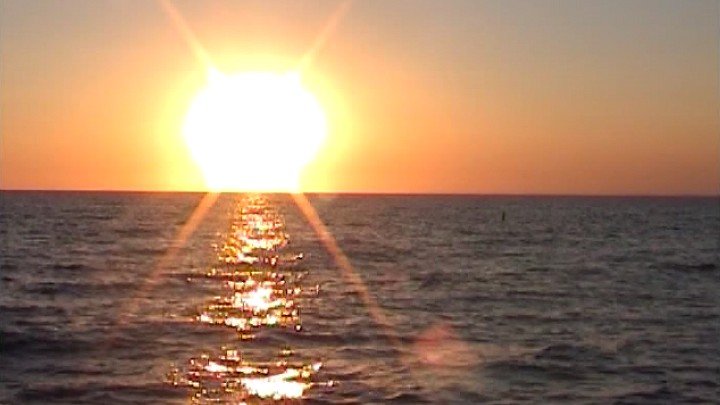
In Learning About Solar Energy, students are introduced to: the earth’s most important energy source, plants, food chains and solar energy, terms ‘photosynthesis’, ‘fossil fuels’ and ‘renewable energy’ and a range of solar applications.
-
Learning about Light
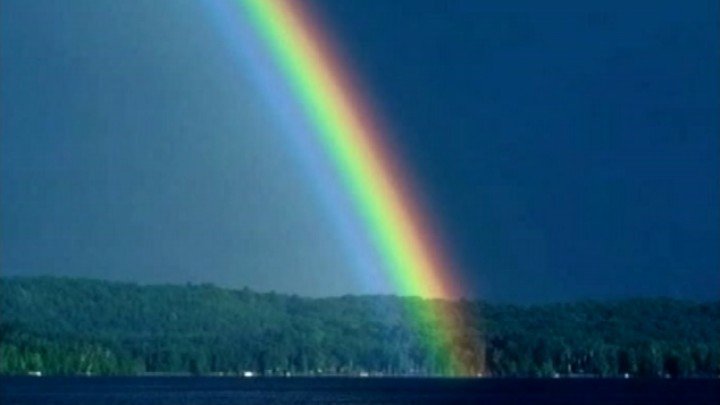
Students will learn: what light is; how white light can be separated into a spectrum of colours; the terms ‘transparent’, ‘opaque’ and ‘translucent’; reflection and refraction; and how the eye adjusts to different amounts of light.
-
Learning about Solids, Liquids and Gases
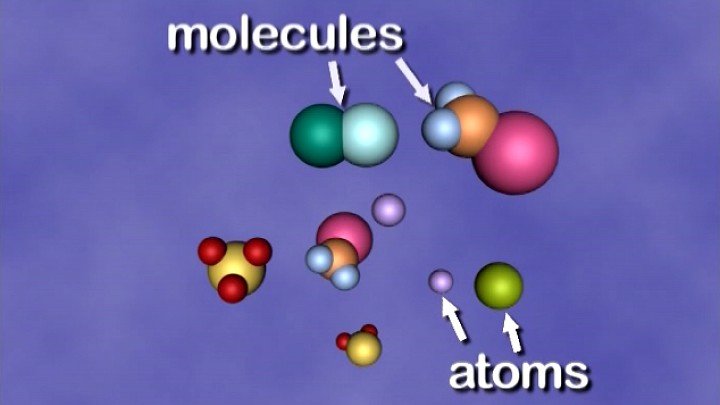
Learning about Solids, Liquids and Gases introduces students to the concept that all material is made of matter. Students examine a range of solids, liquids and gases and develop vocabulary and definitions to describe the three different states of matter. Differences are then identified, and this information is used to group materials into categories. The program also examines the difficulties in classifying materials, and how heat can effect matter and change it from one form to another.
-

Learning about Air
Learning about Air introduces students to the concept of ?Air? and its various uses and properties. The program examines: the essentials of oxygen for living and growing; the variety of properties air is made up of; the concept of air having weight and taking up space; different situations air pressure is used in; and how air can form resistance and also be used as an energy source.
-
Learning about Water
Examines water and its various attributes and properties. Students will gain an insight into how 3/4 of the earth’s surface is covered by water but only 1% is drinkable. Also investigated is the concept that water can be found in the form of a solid, liquid and gas. The program examines the water cycle, from how water is a valuable energy source to causing great destruction in the world.
-
Building Bridges – The Physics of Construction
The nuts & bolts of building bridges. What factors to consider when you build a bridge and what’s the Physics behind them? Introducing the concepts of Stress, Strain and Young’s Modulus to describe the structural properties of building materials. This program examines the variety of bridge designs that these materials can be put to: how they work and why. It examines a bridge plan and uses concepts of Torque and Static forces to see if it stands the test of its load. Finally it challenges students to design and test their own bridges from simple materials.
-
Introducing Cannabis – Risks, Laws, and Habits
Cannabis is often regarded as a relatively safe, albeit illegal drug, compared with hard drugs such as cocaine and heroin. Recently however, there is a growing realization that, for some people at least, cannabis is anything but safe. This program looks at the effect of cannabis on the brain and the devastating consequences for some users.
-
Introducing Tobacco – Risks, Laws, and Habits
For over 50 years now we have known that smoking kills – yet millions of people continue to court disease and death. Why? Tobacco is big business – insidious, wily and determined to hook the vulnerable, and to obscure the devastating effects of their deadly merchandise. This program delivers the facts about tobacco smoking and the effects it has on both users and non-users. Featuring international experts and a dramatized story of a young girl who loses her father to lung cancer, this program is a sobering, informative and persuasive program that addresses the root causes, laws, and short and long-term effects of this killer product.
-
Where the Bloody Hell Are You? – An Introduction to Tourism in Australia
Tourism is a major economic force in Australia. It generates immense economic benefits and significant employment for communities but it can also have a severe negative impact when environmental and social considerations are not carefully planned for. To ensure a balanced and healthy sustainability, rigorous planning, development and management needs to occur. This program explores what those processes are and how they take account of many stakeholders. Featuring interviews with some of Australia’s foremost tourism experts, this is an absorbing, richly illustrated and up-to-date examination of the issues vital to this powerful industry.