Have you ever wondered what’s inside your favorite fast foods? This video looks at different types of fast food, in particular their fat content, to enable the student to make the smartest choices out of what is available.
Languages: English
-

Fairy Tale – Hansel & Gretel
A video that recreates and dramatizes the story of Hansel and Gretel in the context of the oral storytelling tradition.
-
The History of the Race to the Moon
This video uses historical footage to illustrate the super human effort of putting the first person on the moon. Topics covered include Early theorists, Tsiolkovsky, Goddard and Oberth; first satellites; chronological Soviet and American developments; Apollo 11 first landing on the moon.
-
To Build a Play
Of interest to senior drama and English students, this video concentrates on the process of performance and group presentation. Using Shakespeare’s King Lear, four drama students develop an original piece of theatre.
-
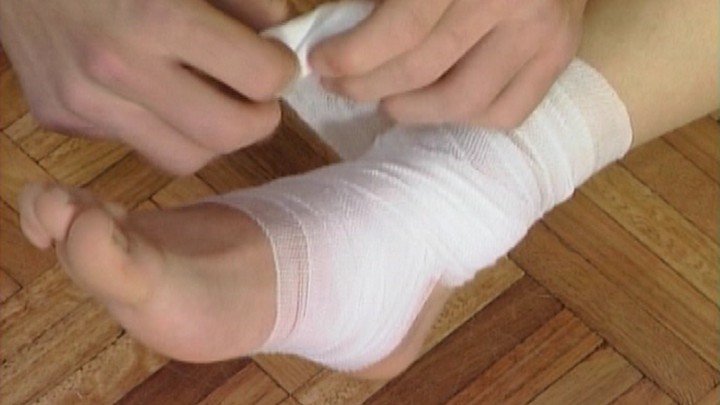
First Aid
This video shows how to manage both life-threatening, and less serious (but more common) injuries that may be encountered in sport.
Particular emphasis is placed on the DRABC action plan, including Expired Air Resuscitation (EAR) and Cardiopulmonary Resuscitation (CPR) for use in an emergency situation. The RICE plan for management of less-serious injuries and prevention of sporting injuries. -
Redox Rocks
Each metal can be oxidized and does so differently due to it’s different reactivity. The extraction of metal is a reversal of this process called reduction. Topics include activity series of metals; extraction of copper – roasting; extraction of zinc – roasting and electrolysis; extraction of aluminum – electrolysis.
-
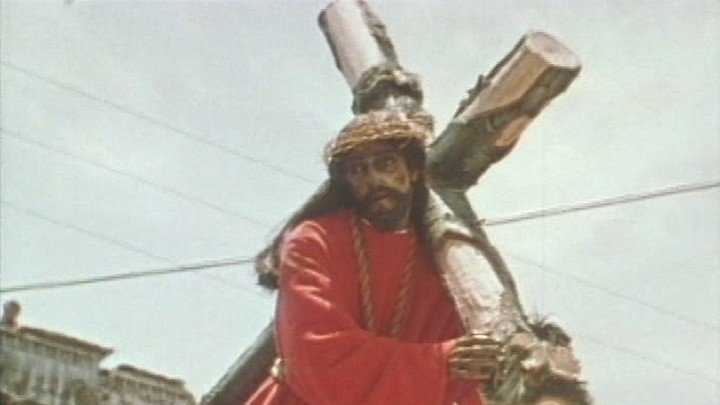
Easter Around the World (7-10)
eginning with the pre-Christian festivals which were its precursors, this video tells the rich and intriguing story of Easter examing pre-Christian traditions, spring carnivals, Jewish Passover, Christian traditions in part 1. Part 2 discusses Easter symbols such as light and dark, eggs, origin of the Easter rabbit, Easter foods and new life.
-
Implementing a Food Safety Program: HACCP in the Workplace
Food safety is an integral and vital part of any hospitality or food technology subject. This program focuses on a large food service workplace and follows their food safety practices from the start to the end of the day. Interspersed with the visual footage are practical examples of employees following good hygiene practices, checking foods, cleaning, recording information and corrective action. Key elements of a comprehensive food safety program such as reasons for a food safety program, getting ready for work, food preparation, serving food cleaning up are all examined. The program is a comprehensive study of the processes, safety issues and control measures relating to food safety associated with the food service industry.
-
Shakespeare – Breathing life into text
This video looks at how different interpretations of Shakespeare’s texts bring different meanings to scenes. Theatre director David Ritchie discusses his method for bringing Shakespeare to life on the stage, and how different choices made for actors make their influences felt on the performance. An in depth look at two crucial scenes in ‘Hamlet’, and how these choices made by actors can vastly change the meaning and implications of these important scenes. Also good for students of Drama and other performing arts.
-
Shakespeare – Directing for film and stage
This video looks at the various challenges in dealing with bringing Shakespeare’s plays to life, from a directing point of view. Taking scenes from ‘Hamlet’, directors discuss ways of interpreting the texts, and how those choices affect the meaning and performance. The video shows that Shakespeare’s texts are as open to interpretations as they are subject to context. The video also discusses the stylistic possibilities and limitations of both stage and film, and how these parameters inform the choices for directors.