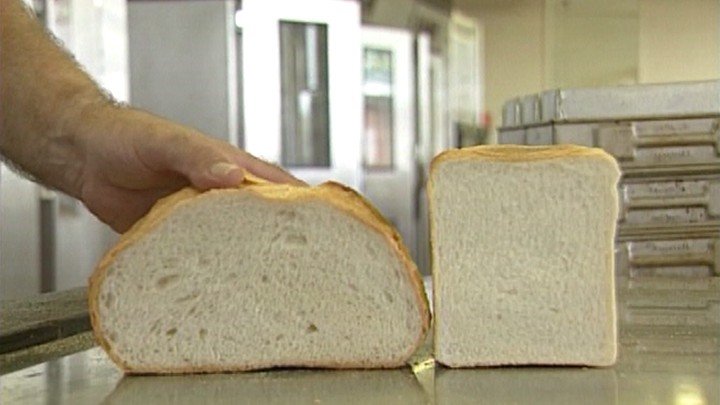
Tailored for Design and Technology and Food Technology courses, this video traces bread production from field to finished product. The video includes flour milling, bread production and multicultural baking. An ideal companion tape to Biscuit Making.
Languages: English
-
Genres – an Introduction
Genres is the starting point to analyzing texts, whether they be literature, film or music. It is through genres we gain a context for the meaning of texts. This video introduces the viewer to the basic genres and shows how genres provide contexts for characters in fiction. Through vignettes, it illustrates the various tools to identifying a genre. The video also discusses genre as a critical concept to analyzing Film and Music. A must for senior students who want to consolidate the basic concepts about genres.
-
Fighting Meningococcal Disease
This award-winning educational video is a comprehensive and practical guide to meningococcal disease for parents, teachers, child carers, sportspeople and health professionals – clearly explaining how to recognise the symptons, what to do, and what precautions to take against this deadly disease.
-
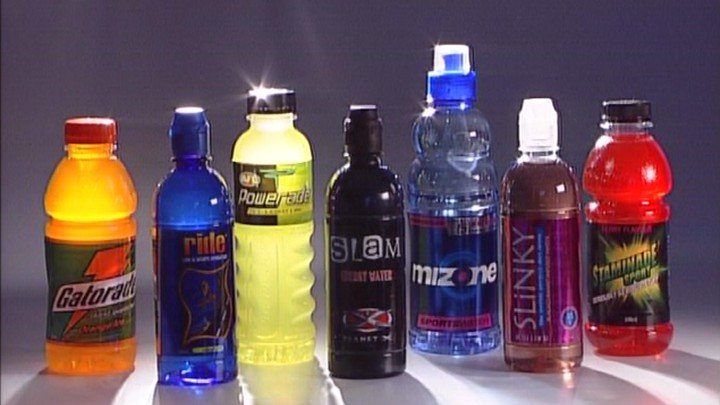
F.A.P. – Nutrition and Sport
The basis of good nutrition is balance: our intake needs to be balanced with our needs. Physical exercise increases the need for all the essential nutrients, particularly energy-giving fuels and water. In developing a nutritional plan, we need to be aware of the composition of different foods, and the demands placed on our bodies by different types of exercise. If we choose to use nutritional supplements, it’s important to understand the potential pros and cons.
-
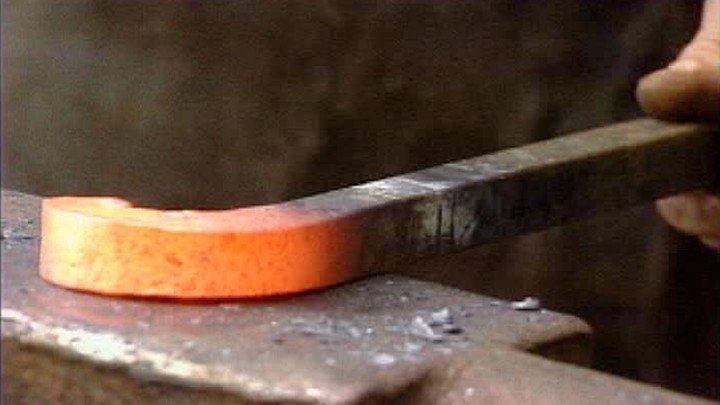
Forming and Shaping Metal
This video examines the way metals can be manipulated when making products. The three most common methods of forming that are used in manufacturing are heating, cold forming and milling. The operations that are previewed for each of these methods include the following: heating, cold forming, and milling. This program is highly recommended for students of metals and engineering at both school and tertiary levels. It can be used as a complete preview of the common methods of forming metals or as a focus on a particular method.
-
Physical and Chemical Changes
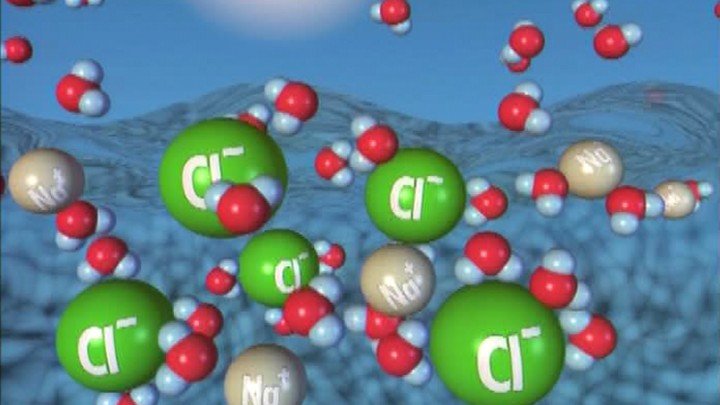
A fun, animated lesson in physical and chemical changes. The atoms are looking for partners and employment. Xenon and Krypton set up as Marriage Councilor and Employment Officer and conduct a series of marriages, H to O and Na to Cl etc. A friendship or physical change is formed between iron and carbon to make steel. They find jobs for various elements, compounds and mixtures.
-
Fairy Tale Text and Motif
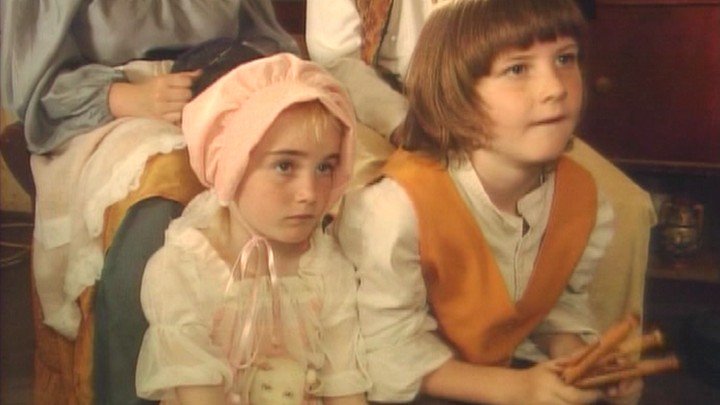
A video that recreates and dramatizes the story of Hansel and Gretel in the context of the oral storytelling tradition.
Followed by a ten minute presentation that uses examples from the story and references and illustrations from many other fairy tales to comment on characteristic patterns and motifs that recur in fairy tales such as recurring language patterns, repetitive plot structures, use of repetition and rhyme, recurring character types, happy endings. The Fairy tale text likened to a generic Journey with emphasis on the encounter with the Witch in the Forest. -
Fairy Tale Narrative and Structure
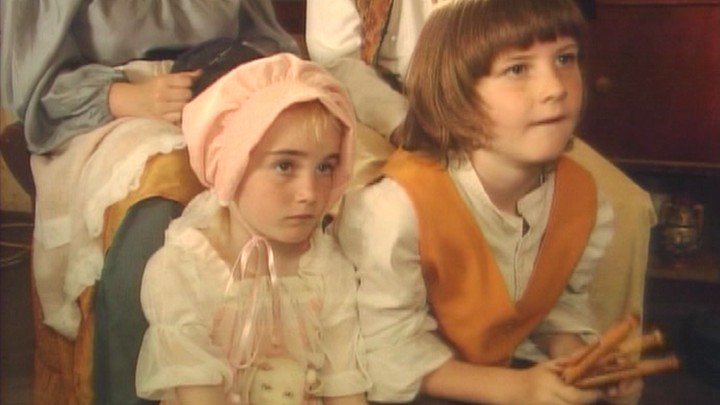
The Tale. Followed by a ten minute presentation that uses examples from the story to analyze the narrative structure in terms of: orientation, complication, sequence of events, resolution and theme.
-
Film as Text
Topics include narrative conventions used by filmmakers in telling a story; narration: Narrator or through the eyes of a character; the Plot- the techniques used to express the plot in film; manipulation of time; shot construction and design; lighting; point of view; props and set dressing; sound design and music; the theme: metaphors and visual motifs; the characters and their development through a film; casting; wardrobe and makeup; shot construction; metaphors; editing: the expression of plot and character; resolution: How and why a film is resolved in a certain way.
-
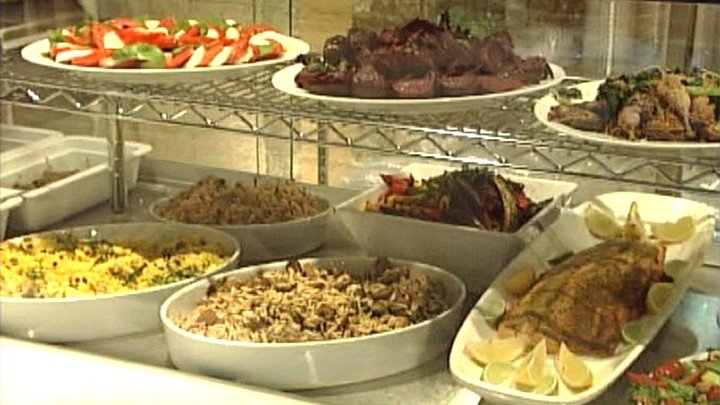
Food Design
Steve is Sainsbury’s Development Chef. We follow him on a fact finding tour where he visits restaurants and food stores for ideas and inspiration. Products are disassembled with new and interesting materials identified. Tastes, flavors and textures are evaluated and recorded. Back at base concept screening takes place. Steve then experiments in the kitchen, evaluating different materials for function, cost, color and texture, before the final meals are drawn up and tasted by his team.