Languages: English

  • Plants

    Plants

    The Big Question: “Do plants think?”

    Synopsis: Harrison discovers that plants are living things, and humans depend on them for survival not just for food and clothing, but also for the very air we breathe! Harrison investigates why flowers smell so nice and fruit tastes so good.

    My Great Challenge: Team Pine Tree and Team Maple race to see who sucks the most – water that is.

    In the Field: Harrison visits an organic farm to get the juice on grafting – naturally creating the strongest and best-tasting fruits and vegetables.
  • Habitat

    Habitat

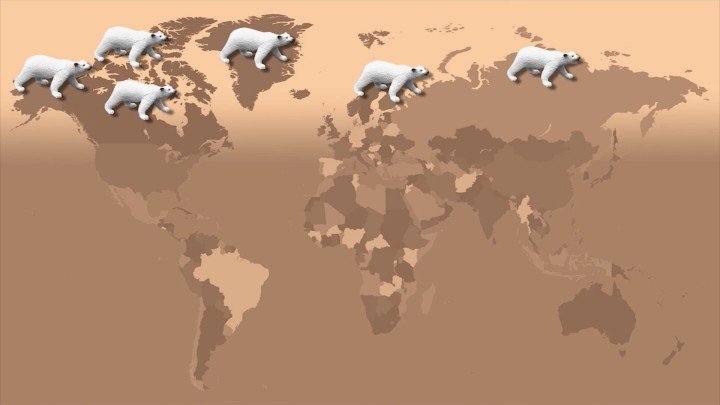
    The Big Question: “Why is the world so important?”

    Synopsis: Without a habitat, neither plants, humans nor animals could survive. Why do worms come out when it’s wet? Why don’t dolphins live on land? How can fish breathe under water? Harrison finds out about the world we live in, and all of the little worlds within it!

    My Great Challenge: Team Zebra and Team Polar Bear race against the clock to match animals with their proper habitat.

    In the Field: Harrison meets up a biologist, who introduces him to many types of habitats; from teensy ones on the leaf of a fern, to gigantic forest habitats, and how they’re all interconnected.

  • Garbage & Recycling

    Garbage & Recycling

    The Big Question: “What happens to stuff that goes in the trash?”

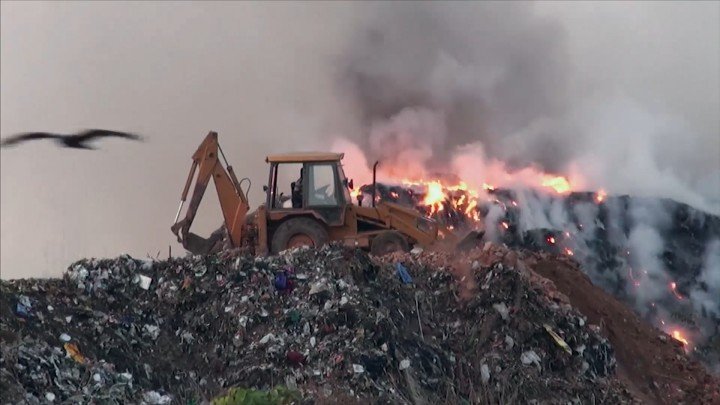
    Synopsis: Garbage is stinky and gross; but Harrison finds out that even smelly garbage can be useful, and that worms make great house pets, and why that tap water you’re drinking may have been in your toilet not that long ago!

    My Great Challenge: Challengers pick through the trash to figure out who lives in the household it came from.

    In the Field: Harrison gives up his old television set so that he can learn how a recycling center separates and uses each of its individual parts.

  • Senses: Sight

    Senses: Sight

    The Big Question: “Why do some spiders have eight eyes?”

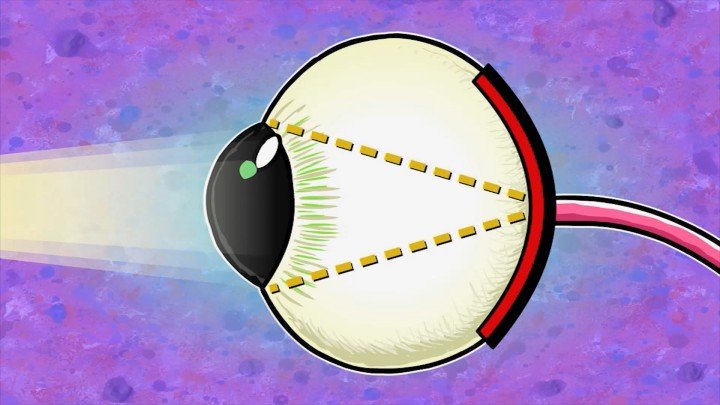
    Synopsis: How do we see? Why CAN’T we see some things? Why do cat’s eyes glow in the dark? Harrison sheds some light on one of our five most important senses: sight! He also learns that seeing more, doesn’t necessarily mean you can see well.

    My Great Challenge: Team Lion and Team Tiger search for camouflaged jelly beans.

    In the Field: Harrison visits 12-year old Tait in Calgary to learn how to have fun using your other senses, when you can’t see.

  • Teeth

    Teeth

    The Big Question: “Why are human teeth and animal teeth different?”

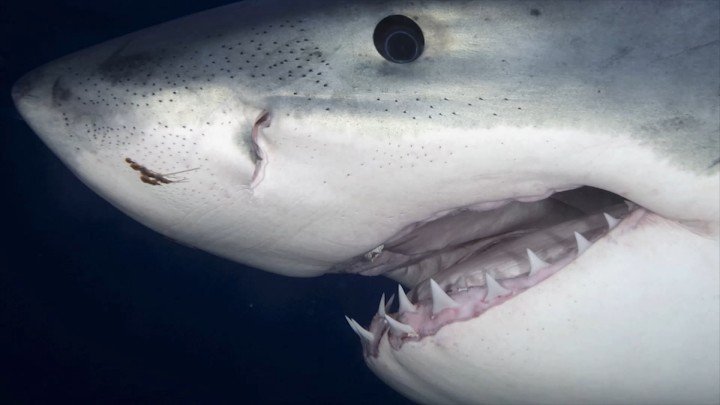
    Synopsis: Humans and animals have all different kinds of teeth because they eat all different kinds of things. Harrison finds out lots of new stuff about teeth, including why some are sharp and some are flat, why birds have beaks instead of teeth, and how overworked the poor Tooth Fairy is!

    My Great Challenge: Herbivore, carnivore or omnivore? Challengers guess if an animal is a meat eater, a plant eater or both based on their teeth.

    In the Field: Harrison visits his dentist, Dr. Cooperberg, to find out why taking care of his teeth is so important.

  • Tools

    Tools

    The Big Question: “Why will things change when you get older?”

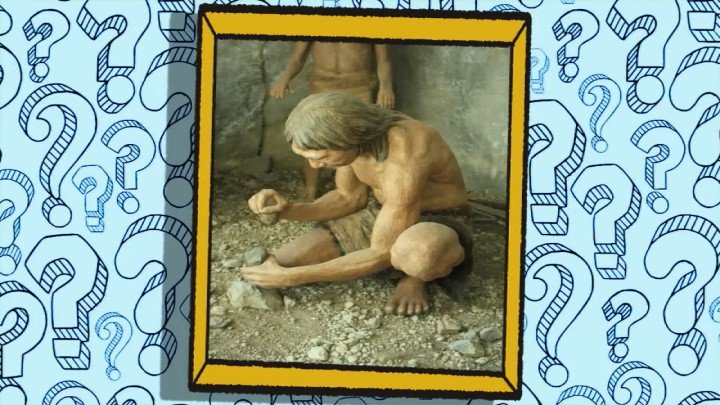
    Synopsis: An anthropologist and real-life expert in prehistoric tool-making teaches Harrison how to make Neanderthal knife blades and to paint like a “cave kid”. Harrison invites kids at home to join him in making simple machines – a wedge, an inclined plane, and a lever – using nothing more than a sheet of paper.

    My Great Challenge: Contestants must figure out how to adjust a simple catapult in order to see who can throw a toy monkey the furthest.

    In the Field: Harrison takes on an assembly line robot to see which of them can put a car together the fastest.

  • Sound

    Sound

    The Big Question: “Why do people hate the sound of fingernails on a chalkboard?”

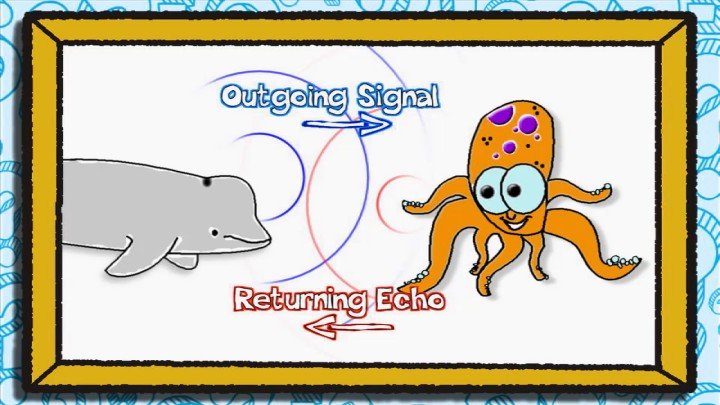
    Synopsis: Harrison is joined by rapper and musician Kid Koala, a special guest canine, and opera singer Lindsay Michael. Individually, these experts help us find out about the delicate mechanisms that help us hear. The special guest canine helps Harrison figure out whether dog whistles really are silent, and Lindsay Michael tests out whether a person can actually shatter a crystal glass with their voice. Viewers at home find out if they have bat-like hearing!

    My Great Challenge: Kids must compete to see who can give our opera singer goose bumps by figuring out which material to scratch together to make the shriekiest sounds!

    In the Field: Harrison travels to the sea aquarium and discovers that certain fish may use sound to communicate – by farting at each other!

  • Insects

    Insects

    The Big Question: “Are mosquitoes good for anything, or are they just annoying?”

    Synopsis: Harrison visits an entomologist who explains to him how insects that eat insects can replace the poison farmers use to keep bad bugs away from their crops. Harrison is joined by a biologist who puts on a fascinating show and tell with all kinds of live bugs. He then puts school kids to the test by asking them to eat everyday products that most of us don’t realize contain…you guessed it…bugs! And viewers find out that a lot of household products are made using insects (everything from carpets to lipstick!).

    My Great Challenge: Harrison sets up a faceoff between Team Bee and Team Butterfly to see who the best pollinator is!

    In the Field: Our roving correspondent Sidney visits a food scientist and a chef who cook her up a tasty bug stir-fry!

  • The Moon

    The Moon

    The Big Question: “Why does the moon follow us?”

    Synopsis: Harrison investigates intriguing facts about the moon, like why people think wolves howl at the moon (they don’t), whether the moon really turns people into werewolves, who the first men on the moon were and why the moon appears to follow us. Viewers at home test out their jumping skills as Harrison demonstrates where we’d be without gravity!

    My Great Challenge: Using nothing more than a light, their wits, and funny headgear, challengers must figure out why the moon is sometimes full and why at times, it disappears!

    In the Field: Harrison goes to…the Moon! Okay, maybe not the actual moon, but a simulated moonscape created by the Space Agency, where astronauts practice their extraterrestrial techniques and test out new equipment. There, a lunar geologist provides the answers to more kid questions, explaining how the Moon was formed and why there are craters.

  • Sleep

    Sleep

    The Big Question: “Why do bats sleep upside down?”

    Synopsis: Harrison sets off on an investigation of such sleep phenomena as yawning, snoring, and sleepwalking. Along the way he shows kids how to make other people yawn and how to make it seem like they are fast asleep (with fake snoring!). Viewers get to find out what causes nightmares and how to make bad dreams go away.

    My Great Challenge: The challengers must have slept in today….there is no great challenge in this episode.

    In the Field: Harrison explores a sleep lab where he is hooked up to an EEG machine that monitors his brainwaves.