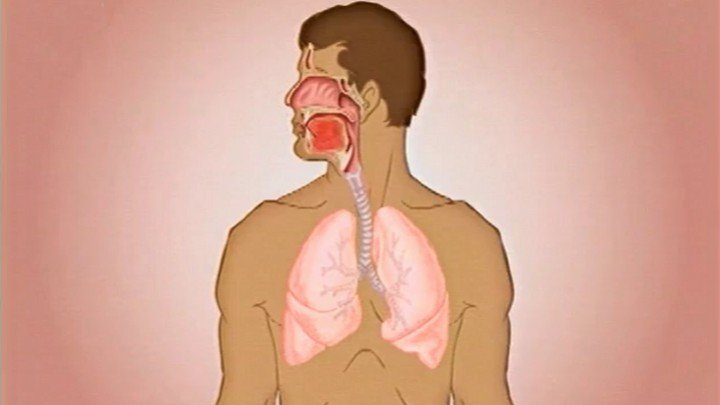
Cells in our bodies need oxygen for the production of ATP, and the by-product of that energy production-carbon dioxide-must be removed from the body. While the network of blood vessels in the cardiovascular system transports these gases, oxygen must continuously be replenished as our cells use it. Likewise, carbon dioxide must be constantly eliminated to help maintain homeostasis. This exchange of gases is the primary role of the respiratory system, but not the only role.
Languages: English
-
The Endocrine System
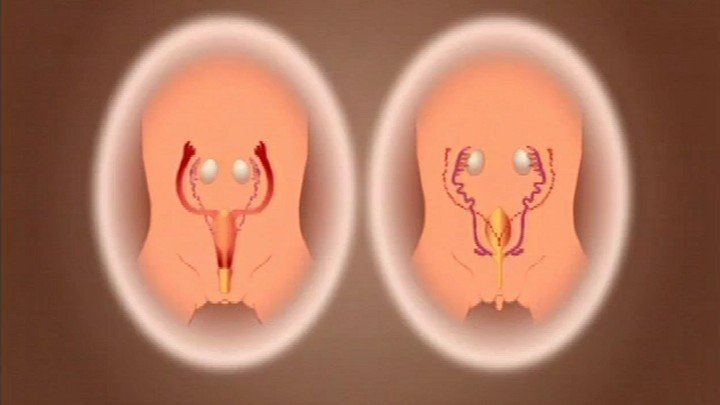
All animals rely on a system of checks and balances to maintain homeostasis. The endocrine system, in conjunction with the nervous system, regulates bodily functions based on the internal and external environments. Both systems act as communication networks: the nervous system uses nerve impulses carried on nerve fibers to rapidly communicate; in contrast, the endocrine system uses hormones carried in the blood for slower, more sustained communication.
-
The Skeletal System
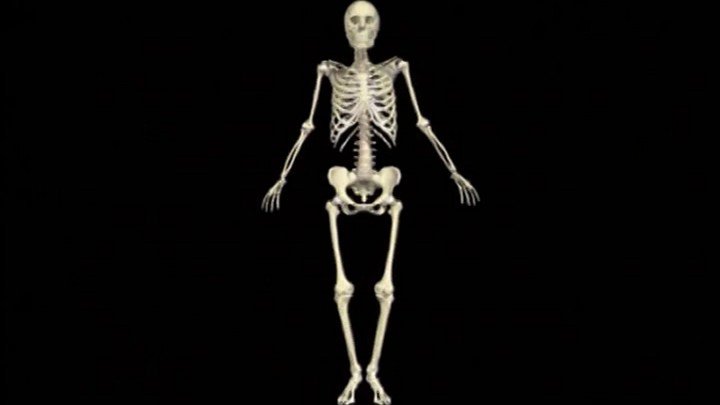
Although the skeleton provides a framework for the body, it is hardly rigid. Bones are living tissues that actively contribute to maintaining homeostasis. Healthy bones are anything but dry or brittle; they are dynamic components of our bodies that are capable of growth, change, and repair. The skeletal system consists of bones and other connective tissues that provide support and flexibility. Bones work together with muscles to produce controlled, yet precise movements. In this lesson, you’ll learn about bone tissue, the skeleton, and its supporting tissue. In Lesson 5, you’ll learn how skeletal muscles work with bone to provide strength, power, and grace to the human form.
-

The Muscular System
When we think of muscles, we might conjure images of bulging biceps, flexing hip flexors, and taut triceps, but there are actually three types of muscle tissue in the human body. Our muscles not only support us and allow us to move, but they also pump our blood and move food through our digestive system.
-
The Nervous System
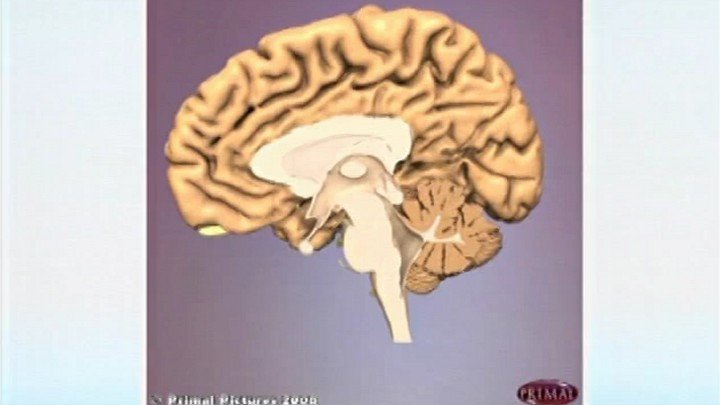
This lesson provides a glimpse into the human neural network we call the nervous system. We can compare the nervous system to a highly complicated computer network. If we think of the brain as that central processing unit, or the command center, we can visualize a complex network of nerves and organs emanating from it. The network monitors the internal and external environment and sends information about those conditions to the brain, which in turn processes the information and sends signals back to the rest of the body to perform an action or to regulate body functions.
-
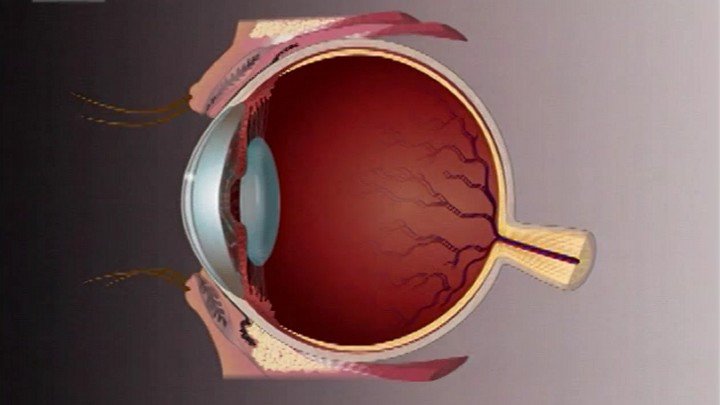
The Senses
Every day, our senses are barraged with sounds, images, and smells. We use our senses to receive, and in some cases filter out, all the sensory information that we encounter. But sensations go beyond those that we can taste, smell, see and hear. They also include our sense of balance, or touch, and the awareness of our body’s position.
-
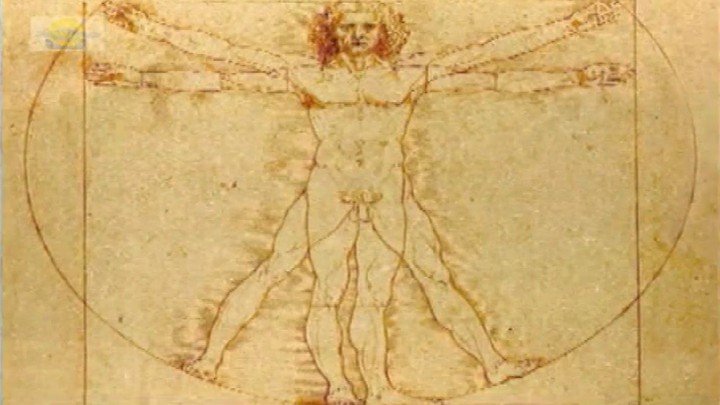
Anatomy & Physiology: An Introduction Box Set (All 14 Lessons on 2 DVDs)
“Anatomy & Physiology: An introduction” is an introductory course for non-science majors. This course provides a comprehensive survey of the discipline, including fundamental principles and concepts. Students will be able to identify the structures of each of the body systems and relate how the body maintains homeostasis. Physiological processes between the exchange and use of energy in the body and how they relate to lifestyle and health are discussed. Finally, students will learn how to communicate clearly with health care professionals and make informed decisions about personal health care and lifestyle.
-
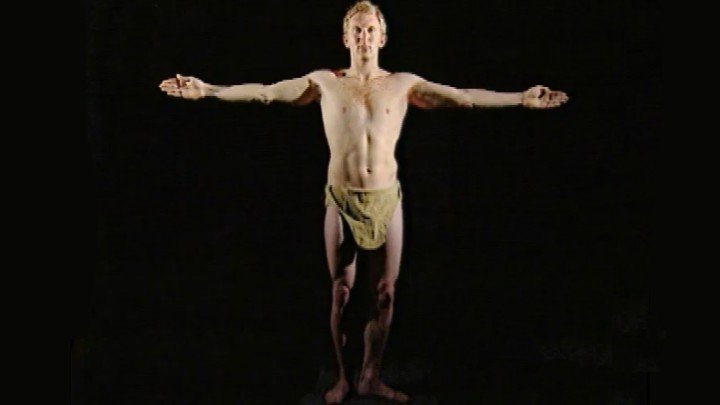
Introduction to Anatomy & Physiology
From the tiniest cells to the largest organ systems, the human body is a complex organism that is capable of both power and grace. When we think of a ballerina, we might conjure images of grace and fluidity. But such elegance relies upon the strength and power of the structures within the body. When we study the human body, we have to ask ourselves not only “How is it structured?” but also “Why does it work that way?” The human body’s form and function are both complementary and interrelated-they compromise in many ways. These are questions that you should ask yourself in every lesson-the relation between form and function is a central theme throughout this course.
-
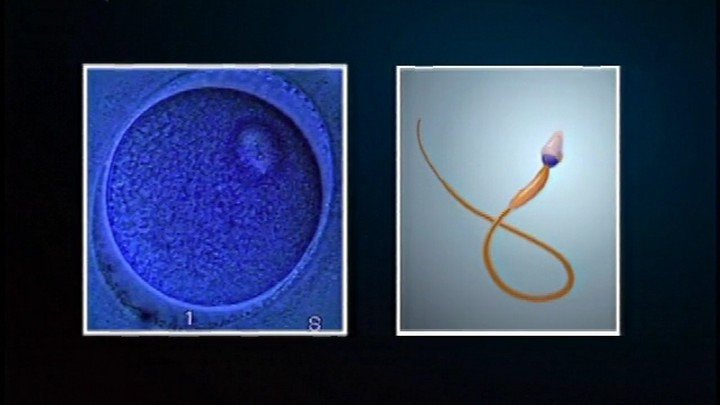
Basic Chemistry & the Cellular Level of Organization
During the initial stages of life, one male cell and one female cell combine and set the stage for cell division. Cells continue to divide and differentiate and cause us to grow-our bones get longer and our muscles and organs get bigger. Because our tissues are made of cells, and our organs made of tissues, more cells must be created in order for us to develop and grow. Through a delicate balance of chemistry and cell division, a mature human being develops and is ultimately comprised of about 75 trillion cells. In this lesson, you’ll learn about how atoms play a part in the chemistry that makes life possible and the ways that cells function and divide.
-
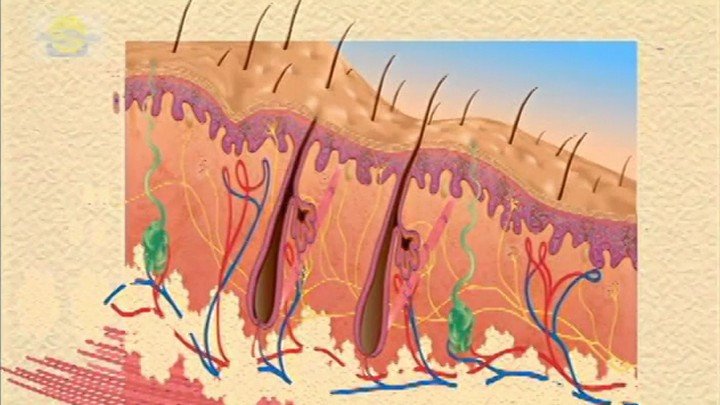
Tissues & the Integumentary System
As you learned in Lesson 1, there are different levels of organization in the human body-from the cellular level to the organism level. Tissues are comprised of a collection of cells that have a common function; organs are comprised of two or more common tissues, and organ systems are comprised of organs and their accessory structures. In Lesson 2, you studied the chemical and cellular levels of organization. In this lesson, you’ll further your study of organization and learn about the four types of tissues in the human body. At the next level of organization, we’ll study the largest organ in the human body-the skin. Finally, you’ll begin your study of an organ system-the integumentary system, which contains the skin and its accessory organs.