Mental preparedness is vital to succeed as an athlete. To stay calm and remain focused on the task at hand athletes need to develop the mental strength to block out external distractions. This excellent program discusses with athletes, coaches and sports psychologists techniques that can be adopted to clear your mind and maintain concentration. We explore developing a belief system that gives you the confidence to believe you have the talent to win and focus on that and not on what may interrupt that from external distractions.
Languages: English
-
Motivation, Anxiety and Arousal
Understanding the sports psychology effects of motivation, anxiety and arousal are essential for achieving high levels of performance in sport. This program examines the effects of repetitive training on motivation and the internal and external factors that can affect it. Sports psychologists and coaches discuss the effects of anxiety and the pressures both internal and external that athletes can feel. Athletes and their coaches also discuss physical and social stress and how to manage it and turn it to the athlete’s advantage. This is a excellent must see program for athletes and coaches to enhance their performance and get a better understanding of positive and negative motivators.
-
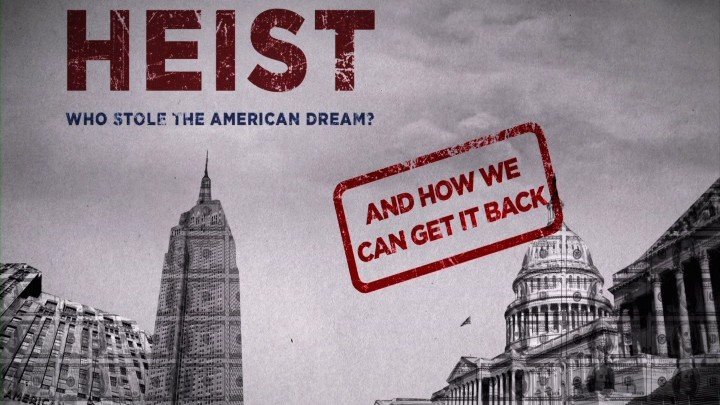
Heist: Who Stole the American Dream?
A new groundbreaking feature documentary about the roots of the American economic crisis, and the continuing assault on working and middle class people in the United States. “Heist” boldly reveals the crumbling structure of the U.S. economy – the result of four decades of deregulation, massive job outsourcing, and tax policies favoring mega-corporations and wealthy elites. Through expert testimony, investigative filmmaking and key archival footage, “Heist” unfolds critical historical background, beginning with the dismantling of FDR’s New Deal, uncovering the ideological influence of the infamous Powell Memo and the Heritage Foundation’s Mandate for Leadership on government reform, and traces both Republican and Democratic allegiance to big business. A movie with its pulse on the most urgent issues of our time.
-
Ryan’s Renaissance
Equal parts tragedy and triumph, Ryan Larkin’s life story is the subject of the documentary film, Ryan’s Renaissance. Directed by Nicola Zavaglia and Laurie Gordon, the film retraces how the talented animator went from NFB wunderkind to panhandler on Montreal’s St. Laurent Boulevard, from 1970 Oscar nominee (for Walking) to alcoholic, from McLaren’s protégé to nobody. The film shows how Gordon finds Larkin on St. Laurent and takes him under her wing and encourages him to begin work on Spare Change, for what will turn out to be a brilliant but all too brief artistic renewal.
-
Forty Shades of Grey
The aim of this project was to create an experimental, feature-length, non-narrative film piece, shot on location in Israel and Palestine. Some very black and white ideas and opinions exist, particularly in Europe, when people think of this notorious hot-spot. This project aims to explore the forty shades of grey and the many stories that exist in between the definite black and white opinions that we are presented with daily in our western news media.
-
The Changing Role of Women
The 20th Century saw enormous change for women in the home, at work and in our collective social ideals. Even with legislation to ensure equal pay for equal work, sexual discrimination outlawed and women at elite levels of politics, sadly today we are still asking, “Are women equal to men?” Why is this? Today there is almost an expectation that women will work, as well as take care of the cooking, cleaning and family duties. The intention was for women to be able to do anything, not have to do everything. What has brought about these changes, and are they changes for the better?
-
The Empty Desk
For many young people, the school environment is a place of learning, creating friendships, forging an identity and searching for a direction in life. However, there are some students who have difficulty in actively engaging in the learning process and therefore run the risk of not completing their school education. ‘The Empty Desk’ is a practical and informative program that focuses on how educators can identify and assist students at risk. It introduces what ‘student at risk’ is, examines the causes of disengagement and provides strategies that educators can use in the classroom to build a strong teacher student relationship. Also featured are interviews with teachers from The Pavilion School, Melbourne.
-
The Sacraments
This informative program defines what a sacrament is, examines what the seven sacraments are, and explores what they mean for Christians today. It focuses on each sacrament individually and explains how they affect the life of a Christian. This topic is discussed by a range of specialists, academics and Christians who describe what the sacraments are and how they are followed, giving detail behind the meaning and symbolism of each one. The last chapter focuses on anointing the sick and provides views on life after death that you may wish to prepare younger students for before showing.
-
Theatre in the Modern World
Not long after the start of the 20th Century, playwrights, influenced by the horrors of war, began to experiment with theatre in a way which depicted many of the long held historical, social and cultural beliefs and practices as meaningless and chaotic. Incorporating interviews with influential directors Bijan Sheibani, Steven Berkoff and other key figures, this film traces the evolution of modern theatre from its Existentialist roots through Absurdism to Realism via the works of Ionesco, Beckett, Pinter and even the writers of Coronation Street.
-
Theatre Practitioners: Steven Berkoff
Featuring an exclusive interview with the man himself, this film investigates Berkoff’s inspiration for his continuing, innovative work on stage and in film. The resource looks in detail at his earliest influences, his exploration of voice and physicality and the social and cultural contexts defining his creative development and evolution as one of the modern world’s most controversial theatre practitioners.