You may not even know you’ve got them! Research shows that 50% of people don’t feel itchy even though they’ve got head lice. This program details why head lice are so resilient and outlines the key to effective management – breaking their life cycle. Students, parents and teachers will learn about the different treatment methods, from the conditioner/comb treatment to insecticides sold over the counter and understand how to protect themselves from future infestations.
Grade levels: Upper Elementary (4-6)
-
Learning about Sound
Introduces students to: how sound is made, how sound travels, the terms ‘pitch’, ‘volume’ and ‘compression waves’, how our ears detect sounds, and the way our vocal cords work.
-
Learning about Solar Energy
In Learning About Solar Energy, students are introduced to: the earth’s most important energy source, plants, food chains and solar energy, terms ‘photosynthesis’, ‘fossil fuels’ and ‘renewable energy’ and a range of solar applications.
-
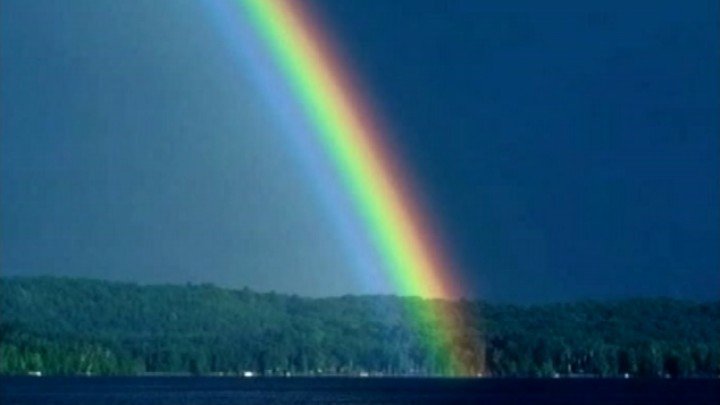
Learning about Light
Students will learn: what light is; how white light can be separated into a spectrum of colours; the terms ‘transparent’, ‘opaque’ and ‘translucent’; reflection and refraction; and how the eye adjusts to different amounts of light.
-
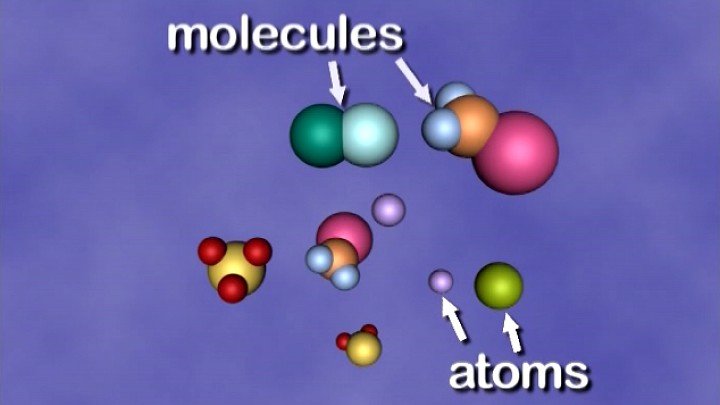
Learning about Solids, Liquids and Gases
Learning about Solids, Liquids and Gases introduces students to the concept that all material is made of matter. Students examine a range of solids, liquids and gases and develop vocabulary and definitions to describe the three different states of matter. Differences are then identified, and this information is used to group materials into categories. The program also examines the difficulties in classifying materials, and how heat can effect matter and change it from one form to another.
-

Learning about Air
Learning about Air introduces students to the concept of ?Air? and its various uses and properties. The program examines: the essentials of oxygen for living and growing; the variety of properties air is made up of; the concept of air having weight and taking up space; different situations air pressure is used in; and how air can form resistance and also be used as an energy source.
-
Learning about Water
Examines water and its various attributes and properties. Students will gain an insight into how 3/4 of the earth’s surface is covered by water but only 1% is drinkable. Also investigated is the concept that water can be found in the form of a solid, liquid and gas. The program examines the water cycle, from how water is a valuable energy source to causing great destruction in the world.
-
Seashore Wonders
In “Seashore Wonders”, host Nicole Busby guides children as they learn how to read a tide table, and what causes the ocean to rise and fall. Viewers discover that the beach is comprised of four different intertidal regions and that a rich diversity of creatures inhabit each region. Periwinkles, limpets, sea stars and a variety of other animals and plants are identified.
-
The Secret Forest
The first installment “The Secret Forest” goes on a journey into an old growth rainforest in southwestern British Columbia. Here, children discover there is more to a forest than trees, and that all things interact and depend on each other.
-
Wetland Wonders
In “Wetland Wonders”, children discover some of the secrets of a wetland, an ecosystem that most children will have access to, possibly in their neighborhood. Nicole Busby and Tim Johnson host the show and help young people discover the plant and animal life in a wetland. Topics covered include: how to identify a wetland; types of plants you find growing around and in a wetland; life cycle of frogs; why do frogs live in ponds; and some of the unique birds that live around wetlands. Viewers also learn about bird migration and international RAMSAR sites. Canada Geese and the life cycle of a family of geese are also profiled.