Join poet and performer Julia Hollman as she leads children on a delightful journey into the world of poetry. This program is a wonderful language arts exploration with its original poems, music, animation and wacky props.
Grade levels: Upper Elementary (4-6)
-
How Cells Obtain Energy
This program illustrates the mechanisms of photosynthesis and cellular respiration. It introduces ATP, the universal energy carrier molecule, and shows the structure and function of Chloroplasts and Mitochondria, energy transforming organelles.
-
How Cells Are Controlled
Illustrations show how genetic instructions carried on DNA are transcribed into RNA, leading to the production of specific enzymes that control the thousands of biochemical processes going on in living cells.
-
How Cells Reproduce
This program shows how DNA replicates, how copy errors occur and are fixed by repair enzymes, how DNA is compressed into chromosomes making possible mitosis and cell division.
-
The Outer Envelope
Here students become acquainted with the properties of the plasma membrane, how it governs the kinds of molecules that go in and out of cells, and how cells feed by engulfing (phagocytosis) and drink in fluids by pinocytosis.
-
Inside the Living Cell
In this introductory cell biology series, students learn all about cells and how they carry out the fundamental processes of life. The menu structure offers over 30 learning chapters that can be discussed and repeated as needed to assure that everyone is up to speed on the content. The large topics in modules covered are: The Cell-Unit of Life, The Outer Envelope, How Cells Obtain Energy, How Cells Are Controlled, How Cells Reproduce.
-
The Cell: Unit of Life
This program shows the kinds of cells and emphasizes the fact that all cells have a common organization and how all cells carry out similar biochemical processes.
-
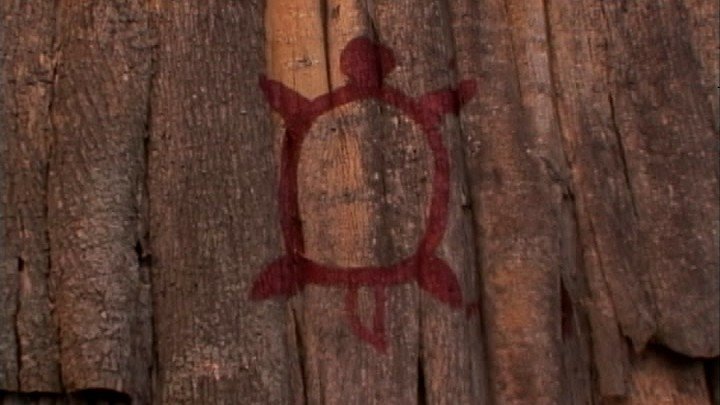
Toronto: When Past Meets Present
Palmer suggests that Cat and Sid explore the world of the First Nations right here in the City of Toronto, with bus tokens in hand Sid and Cat head out. First stop on the tour is Baby Point, where they meet-up with Professor John Steckley. Professor Steckley tells both Sid and Cat not to be fooled by this residential area that actually hundreds of years ago, the area was a large Seneca village called Teiaigon. Professor Steckley then sends our two hosts out to meet-up with his friend Ron Williamson who has uncovered another historical long house village under a sub division located right in the suburb’s of Toronto. Once learning about this village Sid and Cat meet-up again with Professor Steckley who tours them through a recreated long house village and shows them how the First Nations prepared their food for cooking. Coming to an end of their whirlwind tour Sid and Cat head-up to the Sixth Nations Reserve where they learn first hand on how to make corn bread with a local Elder and Cat has a friendly game of Lacrosse with the bantam six nations team.
-
Point Pelee National Park of Canada
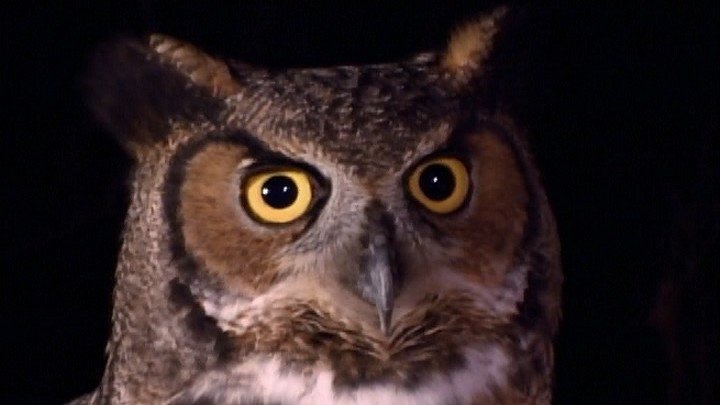
A carefree Sid and Cat fly kites on a bright, windy day. Just as Cat is praising the beauty of the day and the wonderful birds, she gets an unexpected surprise. A flock has decided to poop on her! Even though it’s a little gross Palmer tells Cat not to worry since there’s an old legend that says getting pooped on by a bird is good luck! Legend or no legend, Cat doesn’t have any hard feelings towards the birds – she still loves them. Palmer suggests since Cat likes birds so much, they should go visit Point Pelee National Park in southern Ontario. It’s one of the best places in Canada to see lots of birds. Leaving their kites behind, Sid and Cat head off to do a little bird watching.
-

Ottawa, Ontario
On a bright, winter day, Sid and Cat are racing beside the Ottawa River. Cat is in the lead with Sid close behind. Coming around a sharp bend, the path suddenly stops and they both almost tumble into the freezing river! Lucky for them they manage not to fall in, but there’s another problem. They have to get across the river. Palmer interrupts to give them some good news. There’s a bridge down river and if they follow his directions, he’ll get them across. As they walk towards the bridge, Palmer tells them how important rivers were to the survival of the early First Nations and settlers. In the Ottawa area, many archaeological First Nation sites have been discovered along these waterways. Cat and Sid ask if they could visit them, but Palmer has a better idea. He says in Ottawa, there’s a place where they can find tons of First Nation artifacts and if they go there, they’ll get a chance to explore the lives of the First Nations. It sounds like a great idea to Sid and Cat, who have now reached the bridge and are about to cross. But the bridge has reminded Palmer of something else. Not only do rivers need bridges, but other things, like canals, can help too and it just so happens that Ottawa has an amazing one. The Rideau. With another great thing added to their “to do” list while in Ottawa, Sid and Cat cross over the bridge.