Practical skills are paramount for students of science and it’s an ongoing process. New skills are constantly being introduced, some of which build on more basic concepts. This collection demonstrates the correct and safe procedure for: carrying a scalpel and using a microscope; using a spring balance, ticker timer and Hodson light box; connecting meters in circuits; separation techniques; how to test for the presence of gases or organic compounds; and how to perform a titration.
Grade levels: Upper Elementary (4-6)
-
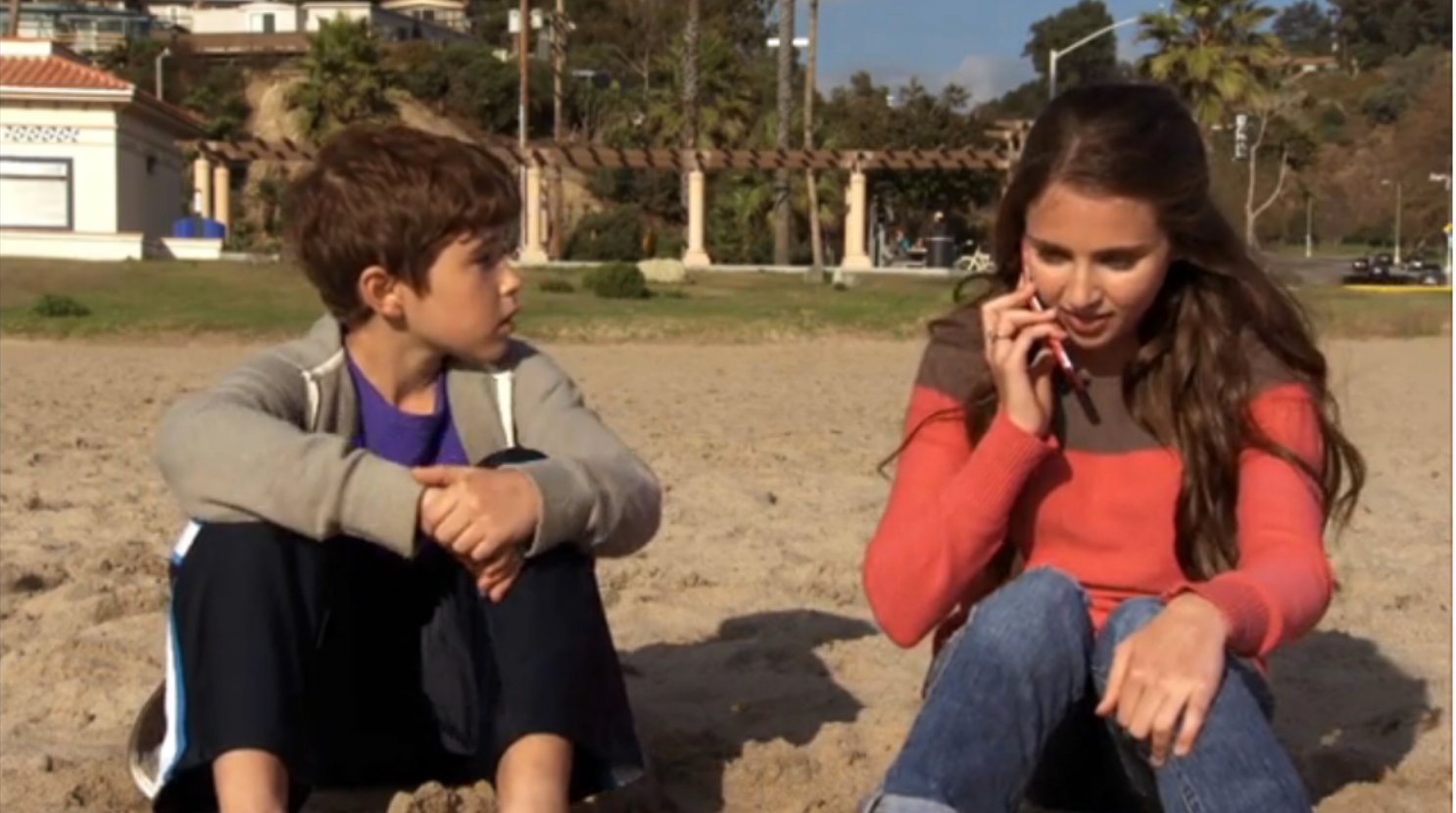
The Call
Lighting up that first cigarette could be the worst decision a person makes. Yet 4,000 young Americans make that decision every day. Whether from peer pressure, wanting to appear cool, influence of family members who smoke, or whatever personal reason – kids enter this treacherous arena with little regard to the consequences of their decision.
We are filmmakers and educators passionate to stop kids from smoking before they begin. Our youth smoking prevention program is intended for middle school students – kids who will soon consider one of the most critical health and lifestyle decisions they will ever make: the decision to smoke or not.
-
Confucius in Ancient China
The influence of Confucius’ philosophies on how humans interact with each other remains as relevant today as it did in his own time. This collection of short programs explores Confucius’ life, the development of his philosophies and their impact on Ancient Chinese society, in particular the roles of men, women and children.
-
Key Groups in Ancient China
The social hierarchy in Ancient China was paramount. Emperors, government officials, nobles, peasants, merchants and slaves all had their role to play within Chinese society. This collection of short programs looks at each of these key groups, examining their daily life and the role law and religion played throughout society.
-
The Cycles: Water, Carbon, Nitrogen, Phosphorus
Change is a constant of life. The natural cycles that balance and regulate our Earth and atmosphere provide the necessary conditions for sustaining a diverse range of life forms on the planet. But what actually occurs in these cycles? The Cycles Collection looks at the critical role the carbon, nitrogen, phosphorous and water cycles play in the life of plants, animals, bacteria and our planet. This motion-graphics driven program simply yet clearly explains the key stages and processes of each cycle and why the cycles are so important to all life on our planet. An ideal resource for viewers seeking a scientific understanding of these cycles.
-
Forms of Energy
Energy is never created nor destroyed – just transferred from one form to another. It’s one of the most fundamental concepts in physics, but can be one that students find challenging when first introduced to it. This video production uses an engaging presenter and familiar objects and scenarios – including skateboarding, tennis, vehicles and plant growth to explore different forms of energy, their effects on objects and processes and conversion from one form to another. Sections include what is energy, kinetic energy (including electrical, radiant and sound), potential energy and energy transformations. Students of Science at lower to middle levels will find this resource ideal for consolidating their understanding of these important fundamental areas.
-
Push and Pull Forces
Any type of motion means a force is at work, it is one of the most fundamental concepts in physics, and has formed the basis of the work of many pioneering scientists, including Isaac Newton. This program introduces forces and some important basic laws and principles of physics. Content covered includes defining and identifying forces, balanced forces, unbalanced forces and inertia. Led by a presenter, a range of familiar objects is used to demonstrate and simplify a number of concepts, including a car, a canoe, a bicycle and even a milkshake. It is an engaging resource, aimed at lower to middle level secondary students of Science, which uses every day situations to explain these important fundamental areas.
-
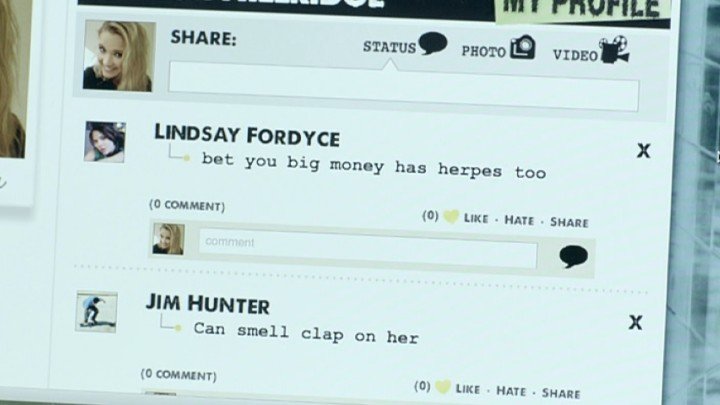
Cyberintimidation
Lorsque Taylor reçoit un laptop pour son anniversaire de 17 ans, elle s’inscrit immédiatement sur un site de réseautage utilisé par les étudiants de son école. Elle devient três vite victime d’harcêlement en ligne qui tue son estime de soi et la pousse à vouloir se suicider.
-
Cyberbully
When 17-year-old Taylor receives a laptop for her birthday, she immediately signs up to a social networking site used by the students at her high school – only to become the victim of vicious online harassment and bullying that sap her self-esteem and drive her to the brink of suicide.
-
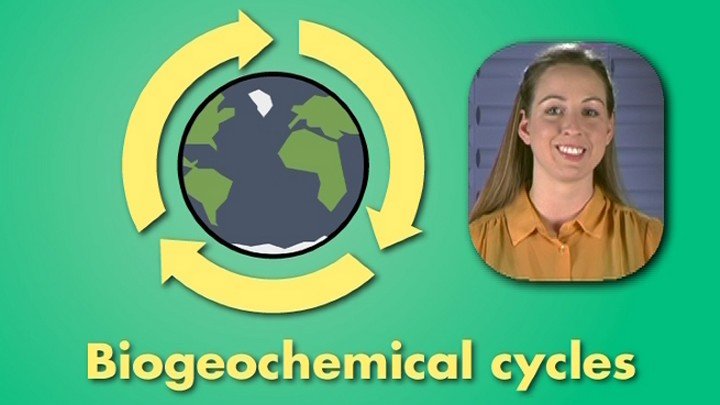
Module 8: Earth Systems
All systems on Earth end up working together in the end. Honestly, it’s more heartwarming than the last day of summer camp. But sometimes people get in the way, like that kid who keeps hiccupping during the group meditation. Can the hiccups be cured? Can humans live in harmony with Earth systems? Let’s talk about it.