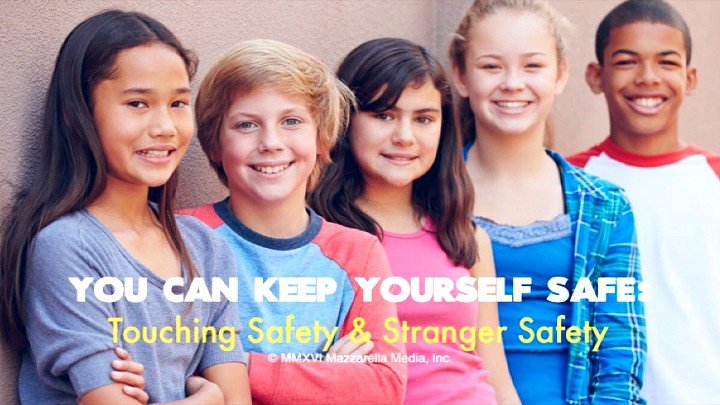
Through age-appropriate vignettes students will learn the difference between a safe and an unsafe touch. Students will come to understand that any touch whether it’s a high-five, a hand shake, a kick, a fist bump, a punch or a kiss can be labeled safe or unsafe depending on the situation and whether or not someone agrees to the touch. The video reinforces the message that only YOU can decide if it’s a safe touch or an unsafe touch and that YOU set the boundaries. Viewers will also come to know about “private parts” of the body and that nobody should ever touch your “private parts” with a few exceptions.
Grade levels: Upper Elementary (4-6)
-
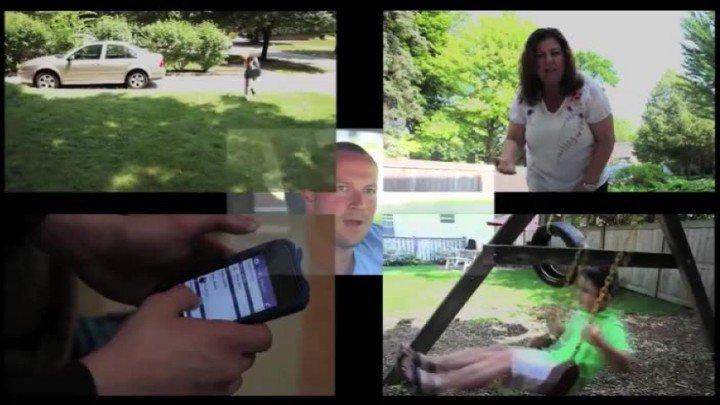
Stranger Danger Awareness: The 5 Traps
This comprehensive stranger danger program shows young viewers how to avoid five common traps ‘bad strangers’ use through a series of dramatic vignettes, and shows them how the strangers they encounter everyday on their way to and from school, in stores, and out in cyberspace can be dangerous regardless of their appearance. Students also learn how to avoid potentially dangerous situations with people they don’t know or ‘kinda know’ through this memorable look at the pet trap, the car trap, the authority trap, the playmate trap, and the technology trap.
-
Teen Dating Abuse
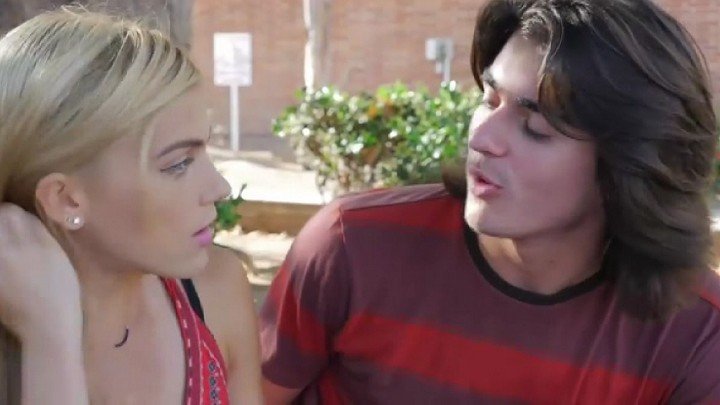
An effective program to combat teen dating abuse is an essential part of any high school health and guidance curriculum, and this one is a great tool. This is the story of Jenny- a happy, high performing student who is in her first serious relationship with Jake. As their relationship evolves, Jake monopolizes more and more of her time, isolates her from friends, and interferes with her studies before becoming verbally and physically abusive. This program brings the causes and consequences of teen dating abuse to life through a series of dramatic vignettes, and viewers learn how any young person can be affected – black or white, boy or a girl, straight or gay. The five red flags examined are constant contact, false accusations, explosive tempers, threats, and blaming. Consultant: Meredith C. Murphy, Ph.D. G Gio Martinez/ Teen LGBT Advocate
-
Real World Science: All About Vaccines
This dynamic, live-action video will inform students about the vaccines. The program begins with an explanation of the human immune system and how it defends the body from pathogens that cause disease. Viewers will learn the difference between the innate and adaptive immune systems.Students will come to understand how scientists, using the scientific method, were first able to develop vaccines and that modern scientists continue to create new and better vaccines to prevent diseases that can be deadly to people around the world. Viewers will learn the the importance of “community immunity”.
-
Real World Science: Biological Vectors and Infectious Diseases
Using incredible videography, photos, animation and graphics, this information-packed video introduces students to biological vectors. Viewers will learn that biological vectors carry and transmit disease that affect plants, animals and humans.The program explores various types of diseases spread by vectors including, Zika, Lyme Disease, Malaria, Dengue and Yellow Fever. The video vividly demonstrates how a mosquito sucks blood from a human and then explains how a pathogen is transmitted.Students will learn how scientists who study insects and infectious diseases can use the information they gather to help control and prevent the transmission of vector-borne diseases around the world.
-
Real World Science: The Science of Climate Change
This live-action video program explores the different climates found on earth. Through use of video footage, photographs, diagrams and colorful, animated graphics and labels, viewers will come to understand how weather, landforms and location affect climate in various places all around the world. The program also discusses climate change and the effects of human behavior and how it impacts climate.
-
Problems Solved: Advice from Middle Schoolers
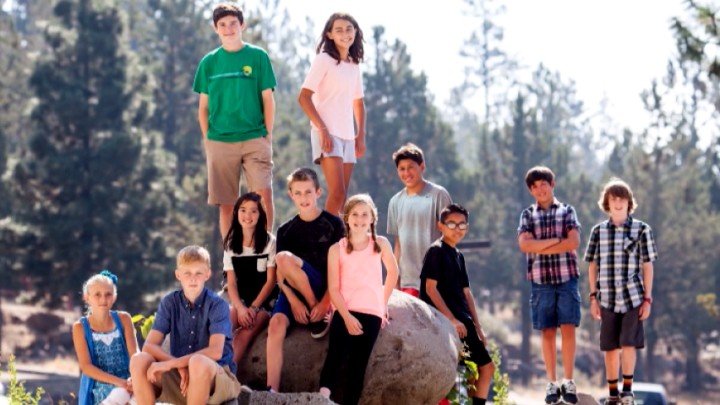
In the documentary-style film, middle school aged children share their personal stories of what its like to transition from elementary to middle school. Viewers will hear from children who are going into middle school and those who have already been attending. This challenging time is captured in their engaging stories about navigating new classes, having to use lockers for the first time, dealing with pressure to get good grades, worrying about fitting in and much more. Viewers will be left with a feeling of hope and an understanding that they are not alone in their feelings about transitioning to middle school.
Chapters include: Advice, The Lockers, The Locker Room, Time Management and Homework.
-
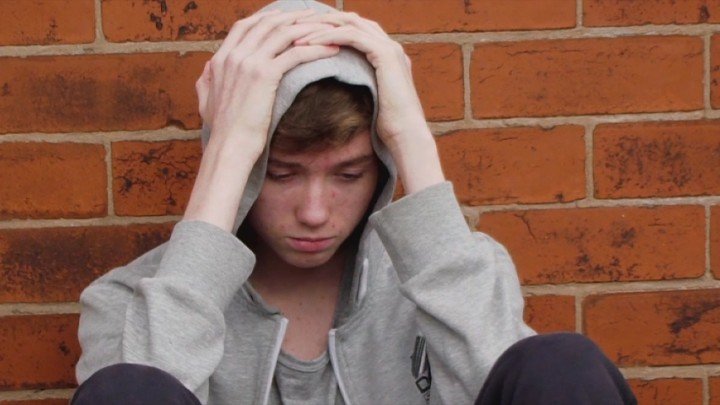
Talk It Out: Teens, Substance Abuse and Addiction Series
Through vintage footage, animation, graphics, and scientific demonstrations, this series explores the various types of substance abuse and addiction and their impact on individuals, families, and society as a whole. Inlucdes the following programs: Effects of Weed on Your Body and Brain How Addiction Enslaves Your Brain Underage Drinking, Dangers and Consequences Tobacco, Vaping and Nicotine Heroin, Abuse and Addiction
-

Effects of Weed on Your Body and Brain
Using vintage footage, the program opens with a discussion of how peoples’ attitudes about marijuana have changed dramatically over the years, but the one thing is certain; marijuana changes the way the brain functions. Students will learn how the THC in marijuana enters the lungs, is absorbed into the bloodstream, and enters the brain almost immediately. Viewers will come to understand the immediate effects of marijuana use on various body systems. The program discusses the effects of marijuana on attention, memory and learning and sites the evidence from scientific studies on the long-term, harmful changes in the brain. In addition, the program explores the use of medical marijuana and its legalization as a recreational drug in different states, which would pertain to its legalization in Canada as of October 17 2018. After viewing this program, students will:
- understand that marijuana changes the way the brain functions
- learn the immediate effects of marijuana on the body systems
- understand marijuana has negative effects on attention, memory and learning
- learn that marijuana is a drug that can be prescribed for medical purposes
- recognize that marijuana is an illegal recreational drug
-
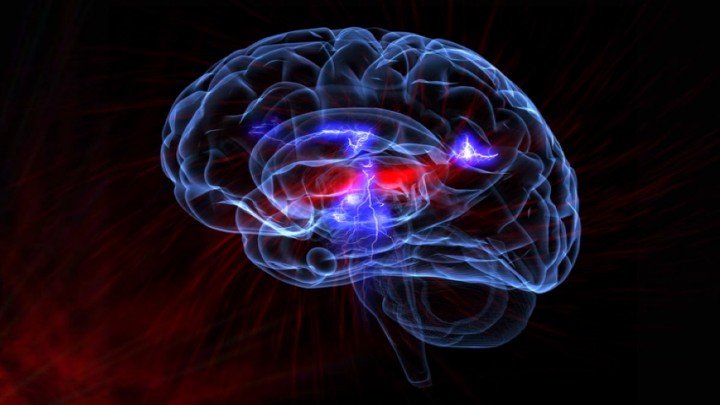
How Addiction Enslaves Your Brain
In many surveys, the vast majority of teenagers report that when they do something their parents wouldn’t approve of, they’re just pursuing their freedom. This program begins the discussion of addiction and dependency from the point of view of surrendering your freedom. Students will learn that there are different types of addiction and that addiction is a persistent and compulsive dependence on an unhealthy behavior. In the program, students will come to understand the difference between psychological and physical dependence. Viewers will be introduced to a scientific theory called the cycle of addiction and learn that scientific research has shown that addiction is a disease that harms the brain and effects behavior.