
Everyone is different in some way. Everyone is unique. Chelsea’s blog takes on the issue of being different. Randal, Chelsea’s friend is in a wheel chair and begins the discussion of being different by talking about physical differences. Subsequent stories talk about having different abilities, gender and cultural differences, too. The program stresses the importance of developing a respect and appreciation for people’s differences.
Grade levels: Upper Elementary (4-6)
-
My Blog: How To Get Along (Without Beating Each Other Up)
Whether it’s work inside the classroom, or play outside the classroom, conflicts can arise. It’s natural. This program helps viewers to learn the skills necessary to foster cooperation, collaboration and compromise in just about any situation. By viewing this program, students will learn specific methods and strategies for getting along.
-
My Blog: 5 Ways To Deal With Anxiety
Anxiety is just part of being teen. In this program students will learn 5 coping skills that will help them to manage their feelings of anxiety. When Claire has to make a presentation in front of her class, she learns that planning and preparation can assist in managing anxiety levels. When Kyle learns his parents are divorcing, he comes to understand that he doesn’t have control over the situation. He learns that staying active and exercising is a healthy way to handle anxiety. Megan becomes anxious when her friends get involved with other activities, which alienates. Megan learns that she can reduce her anxiety by connecting with others. Henry saw his neighbor’s house burn down and is now anxious the same could happen to his family.He learns that having positive thoughts and positive self talk is a good way to cope with anxiety.
-
My Blog: 5 Ways To Respectfully Disagree
Whether it’s with friends, sibilings, classmates or adults, sometimes when you disagree with someone, you can feel angry, or frustrated and the disagreement can turn ugly and hurtful very quickly. In this program, true-to-life, age appropriate scenarios demonstrate five proven ways to disagree and be respectful: Stay calm, don’t make it personal, be considerate of others feelings and ideas and communicate by using I-statements and good listening skills.
-
My Blog: A Little Respect Please
What is respect? What does respect feel like? How do you show respect? Chelsea talks about respect on her blog. Viewers will learn what respect is and about different ways people disrespect people for their ideas or being different. The program also discusses the concept of respecting rules and the importance of self-respect.
-
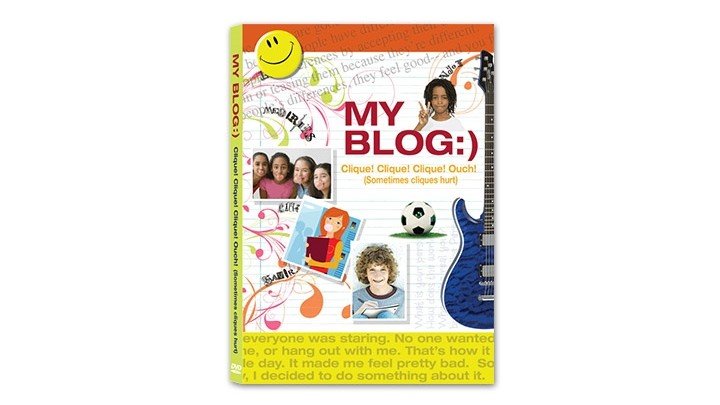
My Blog: Clique, Clique, Clique! Ouch! (Sometimes Cliques Hurt)
Finding their place in a particular social group is a primary concern of my children. Cliques are groups of friends, but not all groups of friends are cliques. Cliques may be formed in elementary school or in middle school. Sometimes cliques are made of kids who share a common interest and other times the kids in them want to be popular or want to belong. Typically, cliques leave some kids out on purpose, and kids may act much differently than they did before they were part of the clique. Cliques can have both positive and negative effects on individuals and groups, too. This program explores how cliques can affect a student and an entire school.
-

My Blog: Dangers of Texting and Sexting (What Kind of Message Are You Sending?)
Cell phones, mobile email devices and handheld computers provide students with the ability to send and receive messages within seconds. Dramatic scenarios will help students to understand the positive and negative sides of this new technology. Viewers will covers the basics on the do’s and don’ts of texting and sexting. The program demonstrates the consequences of using this technology if you don’t think ahead before you hit send.
-
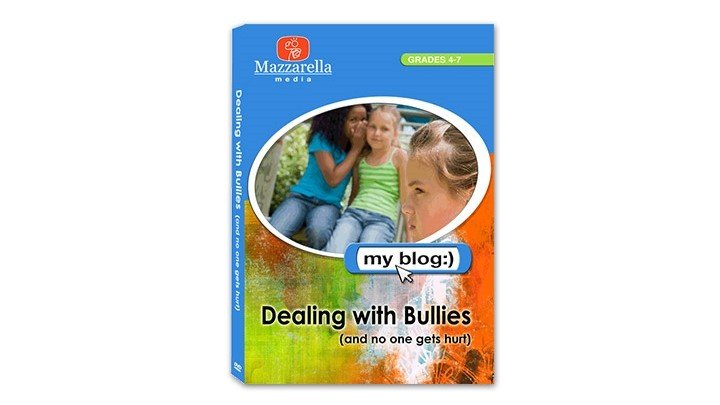
My Blog: Dealing With Bullies (And No One Gets Hurt)
Bullying is a reality for students in schools everywhere. You’re either a bully, a victim or a witness. Using true to life scenarios, this program explains exactly what bullying is and how it affects people who are abused by bullies. The program provides students with practical strategies they can use to deal with bullies safely and get positive outcomes.
-
Real World Science: Circulatory and Respiratory Systems
In Circulatory & Respiratory Systems, students will discover how these two very important bodily systems work together to help keep us alive through a process called cellular respiration. A close-up look at the components of our blood: plasma, red blood cells, white blood cells, and platelets, demonstrates how critical blood is to our survival. Pumped by the heart through a vast network of vessels, our blood is the ultimate pick-up and delivery system, providing nutrients, carrying away harmful waste, and fighting against disease and infection.
-
Real World Science: Skeletal and Muscular Systems
In Skeletal & Muscular Systems, students learn that bones and muscles work together to protect our bodies and enable us to move. Students will come to realize that bones, in addition to providing support for our bodies and protecting vital organs, is where blood is manufactured! Viewers also learn that bones are classified by shape; long, short, flat and irregular; and that there are three types of muscles; skeletal, smooth and cardiac. Colorful graphics and animation illustrate how joints work with the help of connective tissues like cartilage, ligaments and tendons.