Scientific methodology is a cornerstone of modern science. This video introduces scientific methodology by describing its development and purpose. Then, using the basic question “Do plants need light to grow?”, the viewer is given a detailed illustration of how scientific methodology is applied. This includes identifying the problem or question, gathering relevant data, formulating a hypothesis, testing the hypothesis through observation and experimentation, and acceptance, modification or rejection of the hypothesis. The concepts of theory and scientific law are also addressed.
This video is a useful tool for introducing young students to the concept of scientific method, or for refreshing the knowledge of students looking to understand more.
Grade levels: Senior High (10-12)
-
The Scientific Method
-
Soccer Skills
Topics include warm-up techniques; passing; dribbling; juggling; trapping; shooting; training drills. These skills are taught by Dusan Purac, who is a former European professional. His students include world superstars Zvonimir Boban and Dejan Savicevic”Dusan Purac is a top technician who has successfully trained many young footballers. He does a lot for the development of football … and we appreciate his commitment. Walter Gagg, Head of Technical Department, FIFA.
-
Rainforests
Presented by Richard Morecroft, this video is an excellent introduction to rainforests, providing information on their nature and structure and the role of light, water, soils, fauna, and vegetation in a rainforest. The video concludes with ideas that summaries the main points of view about logging rainforests, leaving viewers to develop their own opinions.
-
Recycling Processes
This video explores the factory processes of recycling, iron, aluminium, glass, paper, water and building materials. And what is the environmental cost of not recycling?
-
Redox
Topics include origin of the name redox; evolution of the definition; electronegativity; oxidation number; half equations; how to write and balance redox equations; half cells; standard electrode reduction potentials; spontaneous and forced redox reactions.
-
Refraction and Images
Topics include explanation of refraction and image formation, prisms, rainbows, telescopes, cameras, and lenses. The content is easy for students to follow and understand due to its gradual build-up of concepts and clear explanation of ideas.
-
Renewable Energy
The work of front line renewable energy research scientists and the commercial applications. Topics include the future of fossil fuels; solar – photovoltaic, thermal and wind; critical new energy storage technologies; the concept of energy pay back; social issues.
-
Genetics and Reproduction
This video explores the revolution in genetic medicine and highlights the social and ethical implications of the emerging reproductive technologies. Will it lead to designer babies? Through personal stories, students will realize the difficult decisions that parents confront when there is a family history of genetic disease.
-
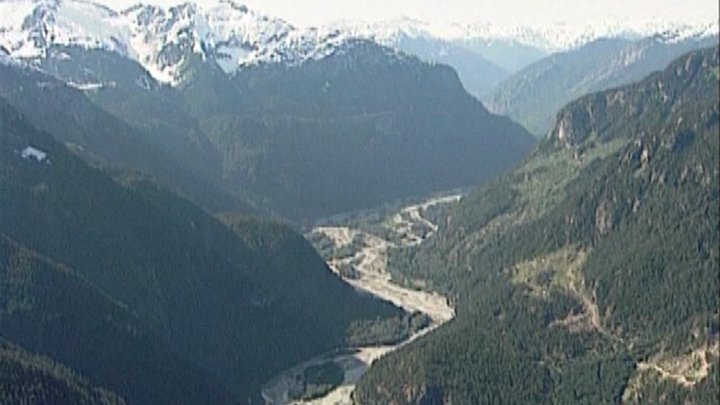
River Landforms
Using examples from around the world, this video looks in detail at the landscapes and features along the courses of rivers, examining the processes that have shaped them over thousands of years. Topics include : sources of rivers, erosion, transportation, deposition, drainage basins and patterns, flood plains, levees, terraces, meanders, sandstone, granite and limestone landforms.
-
The Russian Revolution
From the reign of the last Tsar to the death of Lenin, this video covers the major events leading up to, and immediately following, the 1917 Russian Revolution. Topics discussed include the influential personalities (Nicholas II, Alexandra, Rasputin, Kerensky, Lenin); the lifestyles of Russian people (rich and poor); the impacts of industrialization; the Russo-Japan War; Bloody Sunday; World War I; the March and October Revolutions.