Grade levels: Senior High (10-12)

  • Effects of Weed on Your Body and Brain

    Effects of Weed on Your Body and Brain

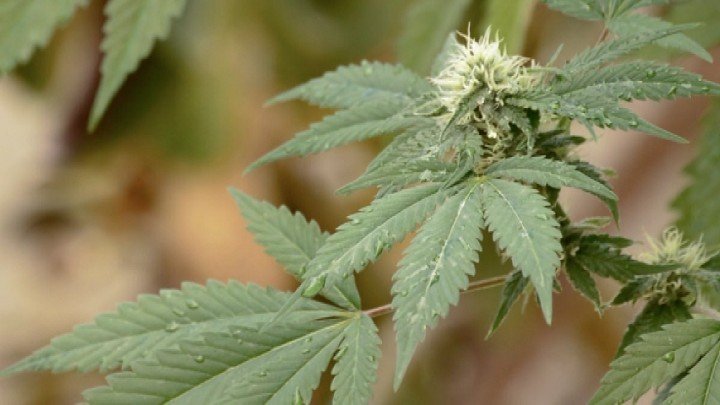
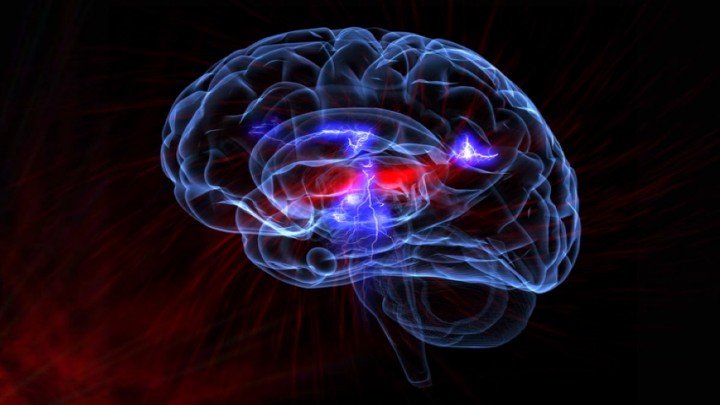
    Using vintage footage, the program opens with a discussion of how peoples’ attitudes about marijuana have changed dramatically over the years, but the one thing is certain; marijuana changes the way the brain functions. Students will learn how the THC in marijuana enters the lungs, is absorbed into the bloodstream, and enters the brain almost immediately. Viewers will come to understand the immediate effects of marijuana use on various body systems. The program discusses the effects of marijuana on attention, memory and learning and sites the evidence from scientific studies on the long-term, harmful changes in the brain. In addition, the program explores the use of medical marijuana and its legalization as a recreational drug in different states, which would pertain to its legalization in Canada as of October 17 2018. After viewing this program, students will:

    • understand that marijuana changes the way the brain functions
    • learn the immediate effects of marijuana on the body systems
    • understand marijuana has negative effects on attention, memory and learning
    • learn that marijuana is a drug that can be prescribed for medical purposes
    • recognize that marijuana is an illegal recreational drug
  • How Addiction Enslaves Your Brain

    How Addiction Enslaves Your Brain

    In many surveys, the vast majority of teenagers report that when they do something their parents wouldn’t approve of, they’re just pursuing their freedom. This program begins the discussion of addiction and dependency from the point of view of surrendering your freedom. Students will learn that there are different types of addiction and that addiction is a persistent and compulsive dependence on an unhealthy behavior. In the program, students will come to understand the difference between psychological and physical dependence. Viewers will be introduced to a scientific theory called the cycle of addiction and learn that scientific research has shown that addiction is a disease that harms the brain and effects behavior.

  • Underage Drinking, Dangers and Consequences

    Underage Drinking, Dangers and Consequences

    The program starts off with an explanation of what alcohol is, how it’s produced, and its role as a celebratory beverage in our society. Students will come to understand the reasons alcohol is illegal to consume for persons under the age of twenty-one. The video delves into the immediate effects of alcohol consumption on blood circulation and breathing. Viewers will learn alcohol sedates the central nervous system and how it impacts parts of the brain responsible for emotion and behavior. The program explores the negative effects of alcohol abuse and addiction on a person, family and the community. In the end, students will come to understand that the decisions they make about alcohol will influence their health, grades, relationships, career and their freedom.

  • Tobacco, Vaping and Nicotine

    Tobacco, Vaping and Nicotine

    Using vintage footage, this program shows viewers how the social attitudes about smoking have changed dramatically over the past several decades. The program then focuses on the short term and long-term, negative effects of smoking tobacco and vaping. It explains the addictive power of nicotine, a substance found in tobacco. Students will see real, vivid scientific demonstrations of the damaging effect of smoking on the respiratory system and circulatory system. Animation and graphics help to present how smoking negatively affects every part of the human body and discusses the health and financial costs to individuals and the society.

  • Romeo and Juliet in Harlem

    Romeo and Juliet in Harlem

    This unique film makes cinematic history by staying true to Shakespeare’s original language and storyline, yet being the first feature film version of the play set in modern day Harlem and having a complete cast of color. Students will find a new way to relate to this cherished classic with its contemporary vibe, exciting acting and its unique setting on Harlem’s streets, basketball courts and subways.

  • LGBTQ Acceptance: Joey’s Story

    LGBTQ Acceptance: Joey’s Story

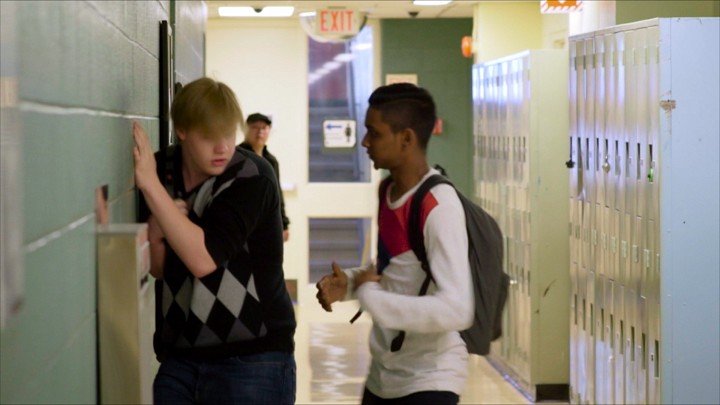
    When reaching puberty at the age of 12, Joey was coming to the realization that that he was gay. Within his school and community, Joey felt that he was the one gay teenager. This terrified him. He confided in a “friend” who soon spread the word around school. Joey became the target of bullying and ridicule. Then it happened at home. His father could not accept that his son was gay and abandoned the family. Soon after, his mother abandoned him as well, leaving him to live with his “unaccepting” grandparents. He was alone in the world. The only way out, so he thought, was to take his own life. This is Joey’s heartbreaking story.

  • Stress & Cultural Expectations: Eileen’s Story

    Stress & Cultural Expectations: Eileen’s Story

    Eileen’s family emigrated from China to North America to create a new life for the children. The Chinese family culture and dynamics were important in the household. Eileen found it difficult to fit in with her peers and she was heavily relied upon at home for chores. She was also pushed hard to excel at school and placed in a school for advanced education. Unfortunately, at a young age, she was sexually molested and kept it a deep dark secret. Her self-identity would develop into a critical low level of self-esteem and alienation from any social life. High school was a nightmare. She found a message of hope from an unusual source and decided that, prior to entering university, she would transform her life with an ultimate spiritual and physical makeover.

  • Depression and Anxiety: Eleanor’s Story

    Depression and Anxiety: Eleanor’s Story

    Eleanor had a hard time fitting in. She was severely bullied through elementary school. High school wasn’t any different but this time it got a lot worse as she became very depressed and developed paralyzing anxiety to the point where she couldn’t breathe. It was physical pain for her. She wouldn’t be able to enter a room full of people nor could she be touched. Life was unbearable. It took time, support and focus but with therapy and medication, Eleanor blossomed into a happy young woman that now study’s psychology in University and works in an institution assisting troubled youth.

  • Addiction in First Nations: Lindsay’s Story

    Addiction in First Nations: Lindsay’s Story

    Lindsay (Eekwol) grew up in the First Nations community. She experienced an unforgiving world of drugs, alcohol, and violence within her family. As a child, she lived in fear while her parents and their friends had endless parties that often broke out in fights. As she grew up in this environment, she soon developed into an abuser of drugs and alcohol herself. She fell victim to blackouts and, on one occasion, almost died lying unconscious on the highway. This seminal moment caused her devoted sister to give up on her – unless she changed her ways. For the first time in her life, she listened, and the path of being clean and sober led to becoming a successful solo female aboriginal hip hop artist.

  • Depression & Eating Disorder: Sterling’s Story

    Depression & Eating Disorder: Sterling’s Story

    At the age of 13, Sterling was a cheerleader and cross country runner. After her uncle commented that she was getting a roll around her belly, Lindsay became obsessed with her weight. She stopped eating and, when she did eat, purging was the only option. She was losing weight beyond what was normal while still competing and running until the point where she mutilated herself and ending up in an institution. Lindsay was 5’7″ and weighed 95 pounds. Her body started to shut down. She stopped menstruating and the doctors warned her that she may never be able to have children. Her miraculous recovery is truly an inspiring story to all youth. The moral of this story: “One small unkind word can have devastating effects on another person’s life.”