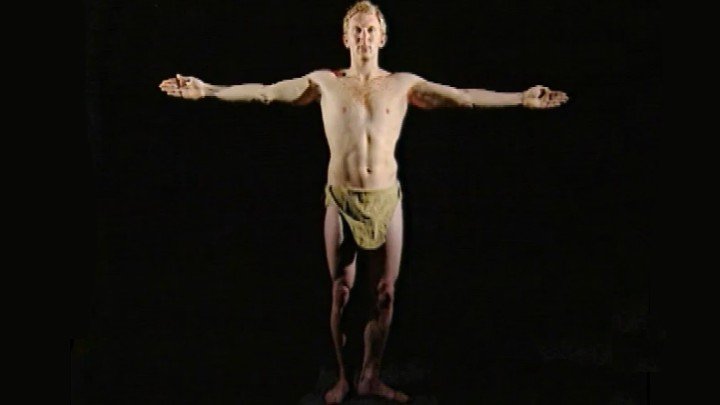
From the tiniest cells to the largest organ systems, the human body is a complex organism that is capable of both power and grace. When we think of a ballerina, we might conjure images of grace and fluidity. But such elegance relies upon the strength and power of the structures within the body. When we study the human body, we have to ask ourselves not only “How is it structured?” but also “Why does it work that way?” The human body’s form and function are both complementary and interrelated-they compromise in many ways. These are questions that you should ask yourself in every lesson-the relation between form and function is a central theme throughout this course.
Grade levels: Senior High (10-12)
-
Basic Chemistry & the Cellular Level of Organization
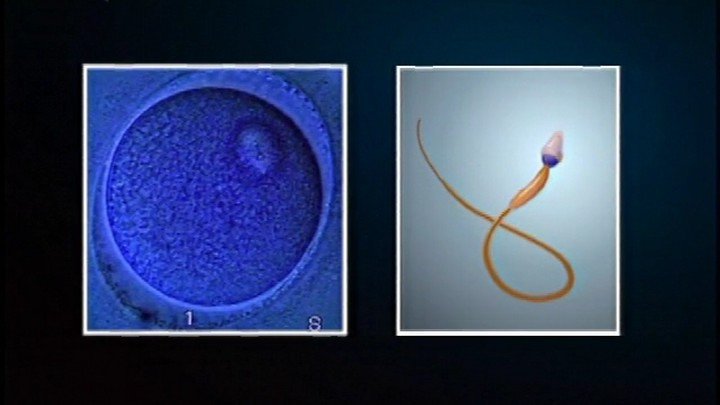
During the initial stages of life, one male cell and one female cell combine and set the stage for cell division. Cells continue to divide and differentiate and cause us to grow-our bones get longer and our muscles and organs get bigger. Because our tissues are made of cells, and our organs made of tissues, more cells must be created in order for us to develop and grow. Through a delicate balance of chemistry and cell division, a mature human being develops and is ultimately comprised of about 75 trillion cells. In this lesson, you’ll learn about how atoms play a part in the chemistry that makes life possible and the ways that cells function and divide.
-
Tissues & the Integumentary System
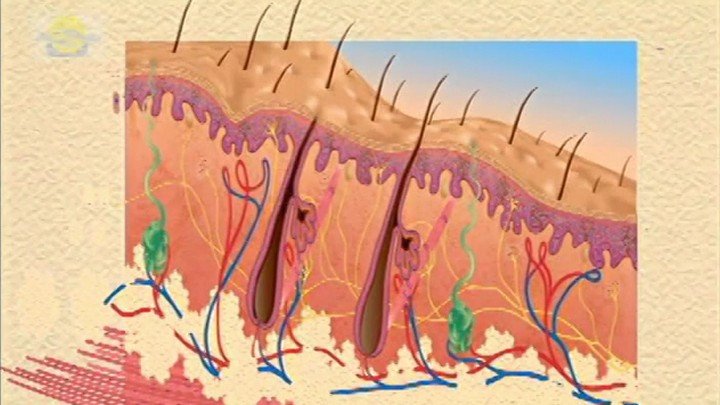
As you learned in Lesson 1, there are different levels of organization in the human body-from the cellular level to the organism level. Tissues are comprised of a collection of cells that have a common function; organs are comprised of two or more common tissues, and organ systems are comprised of organs and their accessory structures. In Lesson 2, you studied the chemical and cellular levels of organization. In this lesson, you’ll further your study of organization and learn about the four types of tissues in the human body. At the next level of organization, we’ll study the largest organ in the human body-the skin. Finally, you’ll begin your study of an organ system-the integumentary system, which contains the skin and its accessory organs.
-
Adult Health and Development
The health of individuals and communities worldwide is determined by many complex factors. Where we live, our environment, genetics, income, education level, and our personal relationships all influence our health. This insightful program offers an overview of adult health and development, outlining the physical, social, emotional and intellectual stages of development we all experience. It illuminates the health status of adults, acknowledging gender differences and similarities and summarizes the major determinants of health which effect societies worldwide. Throughout the program, expert input is balanced with personal opinions from everyday adults at all stages of development.
-
Health Risks to the World’s Young
The ‘Convention on the Human Rights of Children’, which asserts the fundamental right of children to be free from discrimination and disadvantage, is the single most ratified human rights treaty in history. Yet to this day there are still many factors that pose a risk to the health of the world’s young. This program examines the most prominent of these risks: early pregnancy and childbirth, HIV/AIDs, malnutrition, mental illness, smoking, alcohol, and violence. The information in this program is supported by insights from experts in each field, and delivered with a non-alarmist approach that focuses on the facts.
-
Street Art
To some, street art and graffiti is nothing but vandalism. But to these young artists, it is a vital form of self expression. In this eye-opening program we speak to eight members of Melbourne’s thriving street art scene. Through their stories we look at Melbourne’s street art scene and the contribution of street art and graffiti to art and society around the world. We explore the history of street art, the influences on our featured artists, and the materials and techniques they use. We also define street art and graffiti, and discuss the contentious issue of street art in art galleries.
-
ICT Project Management
In this program we meet the iPod and iPad development team at Bjango Software as they manage and develop a complex ICT project. Following the stages of a project’s life cycle; from conception and planning, to building and testing, and implementing and evaluating the finished product – we look at the personnel, procedures, techniques, tools, and methodologies used, together with the social and ethical impacts. Project management tools, such as Gantt charts, collaborative software, systems analysis and planning tools, and the all important formal documentation are shown in action. An essential overview of ICT project management.
-
Multimedia Systems
A practical introduction to the technologies and techniques used in multimedia today. Two interactive software developers describe the hardware and software used in multimedia projects, with basic explanations of how the technology works. File formats used for presentations and the use of codecs to process and store these files is demonstrated, together with a brief overview of the software used to plan, capture, edit and display multimedia. We conclude with an examination of content sharing, virality, and the social and ethical implications of current multimedia technology.
-
Data: Ethical Use and Storage
Over 800 billion gigabytes of information is used globally every year. This incredibly large volume of data must all be stored, retrieved, displayed and used. Featuring job search website Seek and the development of a standardized data management system for the Australian aviation industry, this program provides a comprehensive examination of the complex issues surrounding ethical storage and use of data. It discusses the critical issues of; data collection and entry, regulation and privacy, maintaining backups, the emerging trend towards cloud computing, transmission and display, and interpretation and use of data.
-
Les Fêtes en France
France’s long and colorful history has given us many reasons to celebrate and the French calendar has a large number of different festivals throughout the year. Filmed entirely in France, in the French language (with the option of French subtitles on the DVD), this exciting program explores five of the most significant of these celebrations – Paques, La Fête des Rois, Poisson d’avril, La Fête Nationale et Noël. It addresses the importance of cultural awareness in learning a language, and enables us to recognize shared traditions as we see social interactions in diverse contexts.