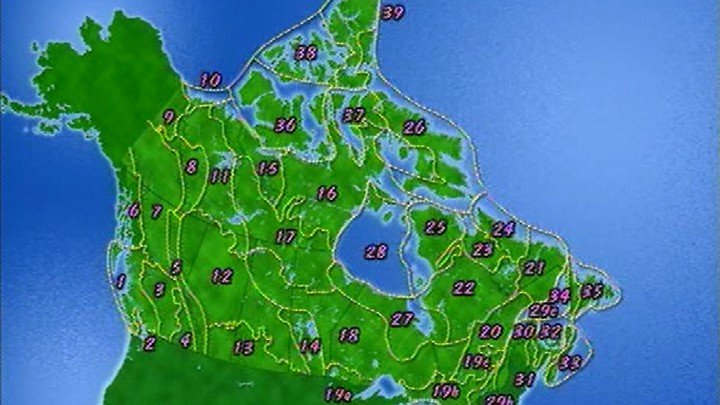
Eldon has deleted most of Jay’s park information so Jamie and Idee head off to learn more about parks in Canada. They check out a small urban skatepark in Vancouver, Canada’s only fenced in park in Alberta and a marine park in Quebec. What is a park? Why are they created? What do they protect and why? Our hosts find out why areas are designated as parks.
Grade levels: Primary (1-3)
-
Up the Mountain – Vancouver, BC
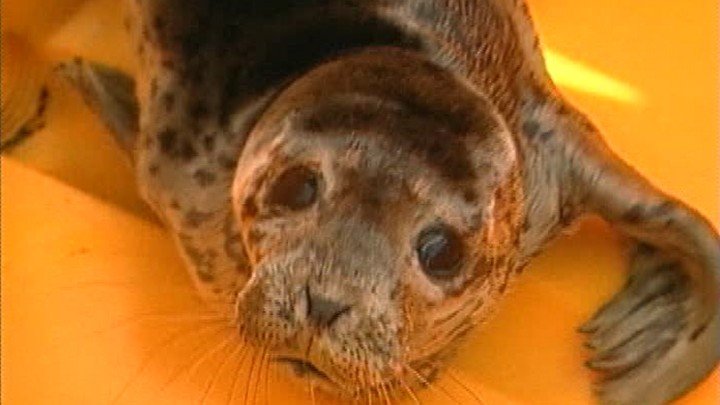
Our hosts hop on their mountain bikes and explore the city of Vancouver. They tour through North America’s second largest Chinatown visiting a unique Chinese garden. Then they climb Grouse Mountain to check out some grizzly bears living at a wildlife reserve. Then down to Vancouver’s port where they find out how to rehabilitate seals.
-
Loose on the Bruce – Bruce Peninsula, Ontario
We head to the unique Bruce Peninsula area in Georgian Bay to discover the waters and islands around Tobermory. We explore the fascinating ecosystem of the dolomite cliffs and learn more about Ontario’s Niagara Escarpment. We also find out about Canada’s only venomous snake and species at risk, the Eastern Massasauga Rattlesnake. Then we grab snorkels and explore the amazing shipwrecks of Fathom Five National Marine Park of Canada – Canada’s first marine park. We learn how First Nations’ oral traditions have lead to the mapping of Fathom Five. Jay tells us about the maritime history of the Great Lakes and why there are so many shipwrecks in this area. In Jay’s Gee! Ology Jay demonstrates how the Niagara Escarpment was formed.
-

A Whale of a Time – BC, Ontario, Nova Scotia
There are about 33 different whale species found in Canada. Our hosts explore whales from coast to coast. They start along the St. Lawrence in Tadoussac, Quebec where they discover Minke whales and the importance of estuaries. Then they visit the Vancouver Aquarium Marine Science Centre and swim with the Belugas, and learn about their means of communication. They discover the bones of an Atlantic Right Whale along the shores of Nova Scotia, and learn about the whale’s evolution.
-
Getting to the Point – Point Pelee, Ontario
We head south to Canada’s most southern point to learn about things-with-wings. It’s high butterfly season and Jennifer and Jamie join up with some local kids to do a butterfly count. We check out the amazing variety of birds in the marshlands, and head out to visit some young beekeepers. We learn about this Carolinian Zone of Canada, and how the warming effect of this southern latitude has helped attract species that can be found nowhere else in Canada. Then we learn about the alien species that can kill a lake with the Ministry of Natural Resources. In the 1960s Lake Erie was considered a dying lake, but it’s now improving. Jay tells us more about this little spit of land known as southern Canada. In Jay’s Gee! Ology, Jay demonstrates how plants act as natural filters and purifiers for the water around them.
-
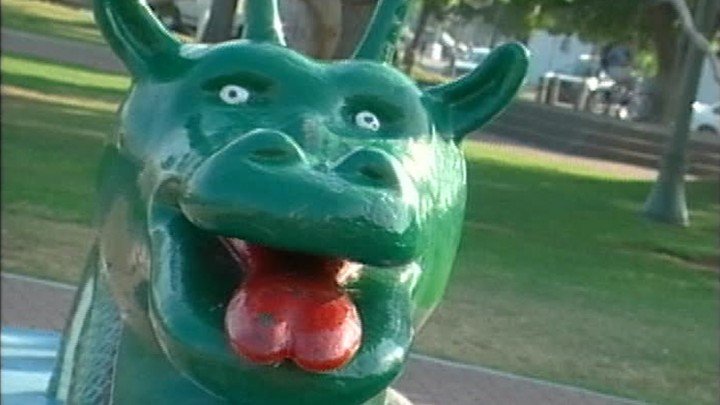
The Search for Ogopogo – Okanagan Valley BC
Our hosts check out both the rich farmland and dry desert area of the Okanagan Valley in British Columbia. They meet up with a kids just in time for cherry harvesting and they visit a local raptor rehabilitation wildlife centre. They also learn more about the antelope-brush ecosystem, which is more at risk than the old-growth forest of British Columbia. And of course they discover the mysterious Ogopogo or N’haitik – meaning monster of the lake!
-
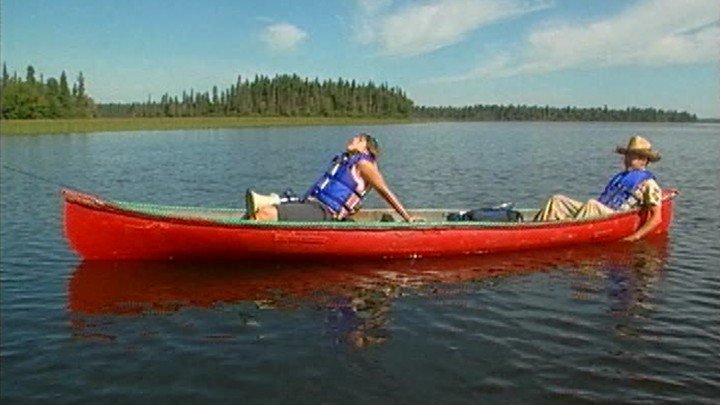
La Ronge and Beyond – La Ronge, Saskatchewan
We hang out with a young First Nation’s boy who farms wild rice in central Saskatchewan. This is one of the biggest production areas for wild rice in North America, with around 250 producers. The rice is harvested by an interesting propeller driven airboat, and we climb aboard. Then we head to Prince Albert National Park of Canada and learn about forest fires and some positive affects they can have. We also visit with King Trapper, canoe racer, dog musher, lumberjack and all-around survivalist Franklin Carriere. In Jay’s Gee! Ology he demonstrates how forest fires contribute to air pollution.
-

Lost in a Forest – BC’s Rainforest Vancouver, Haliburton’s Boreal Ontario
Our hosts check out some of the unique elements and characteristics of Canada’s amazing forests. They discover the incredible temperate rainforest of British Columbia, and then check out Canada’s largest forest – the boreal forest – in Ontario. Here they check out ways to properly harvest trees, the life cycle of a forest and then discover a pack of wolves.
-
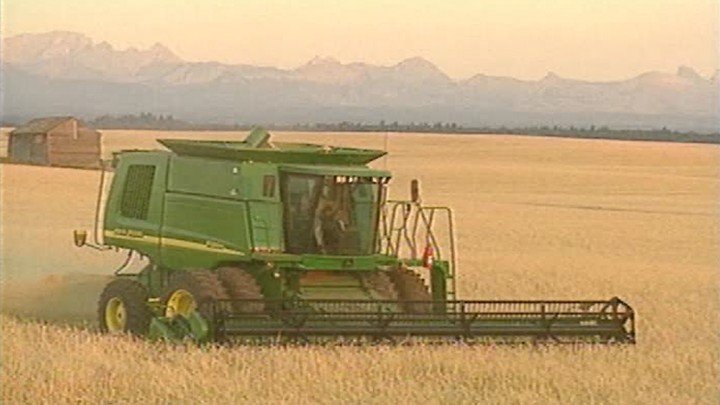
Through the Breadbasket – Regina, Saskatchewan
Wheat harvesting and prairie living are the focus of this episode as we venture across the vast prairies. We travel by truck to a grain elevator and discover how wheat becomes flour and finally bread. Then we head to Moose Jaw to learn about the little endangered burrowing owl. In Jay’s Gee! Ology he demonstrates how weather and geology combine to form some of Canada’s most fertile soil.
-
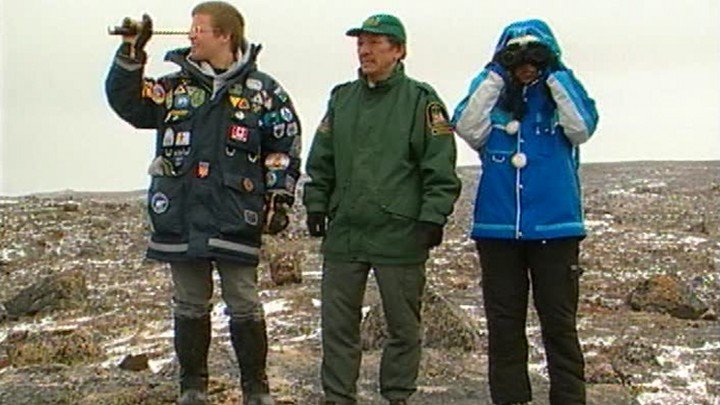
Chillin’ Out in the Arctic – Iqaluit, Nunavut
We discover how young people are still interested in Inuit traditions by meeting up with some young throat singers, drummers and athletes. We also get to try a little caribou stew. A trip out on the tundra with Canadian Wildlife Service officer, Johnny Nowdluk teaches us about how animals keep warm in the harsh environment, and about how much the Inuit depend on and respect the local wildlife. In Jay’s Gee! Ology, Jay investigates the effect that wind chill has on our perception of temperature.