Using real world demonstrations and colorful graphics, Real World Science: Light teaches students the different properties of light, pertinent definitions and how light travels. Students will learn how different mediums can affect light, resulting in reflection, refraction and absorption, and they will explore the color spectrum using prisms and paints.
Grade levels: Primary (1-3)
-
Real World Science: The Scientific Method
We solve problems every day. We also ask questions every day. In order to best come up with answers for our questions or solve our problems, we use a process. The process known as the Scientific Method gives us a format for engaging in a step-by-step approach to come up with a reasonable solution. It is important for students to understand and use the Scientific Method when solving problems and answering questions, to ensure that they identify reliable solutions. By viewing the video and discussing the concepts presented, students will enhance their knowledge about the scientific method. The video presents general information about the scientific method, as well as identifying the steps and giving real world examples of the scientific method being used to solve everyday problems or answer questions.
-

Grammar in Action: Nouns, Pronouns and Possessive Nouns
Through live-action footage, colorful graphics and animation, students will learn about nouns, plural nouns and possessive nouns. In chapter one, children will learn that nouns are words that name a person, animal, place, thing or idea. Students will also come to realize that nouns can also name more than one person, animal, place, thing or idea. Proper nouns are also discussed. Students will learn to identify nouns and proper nouns in a sentence. Plural nouns are introduced in chapter two. Through live-action video, graphics and animation students will learn simple rules they can use to turn singular nouns into a plural noun. Chapter three introduces possessive nouns to young students. Learners will come to know that a possessive noun shows that a person, animal, place, thing or idea can possess something. Through real life examples, graphics and animation, students will learn the different ways to make nouns possessive and simple rules for singular and plural possessive nouns. The program provides a variety of examples to help support a child’s understanding of each concept.
-
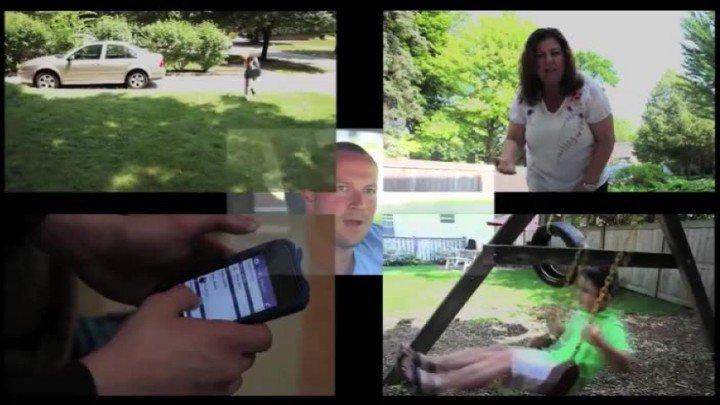
Stranger Danger Awareness: The 5 Traps
This comprehensive stranger danger program shows young viewers how to avoid five common traps ‘bad strangers’ use through a series of dramatic vignettes, and shows them how the strangers they encounter everyday on their way to and from school, in stores, and out in cyberspace can be dangerous regardless of their appearance. Students also learn how to avoid potentially dangerous situations with people they don’t know or ‘kinda know’ through this memorable look at the pet trap, the car trap, the authority trap, the playmate trap, and the technology trap.
-
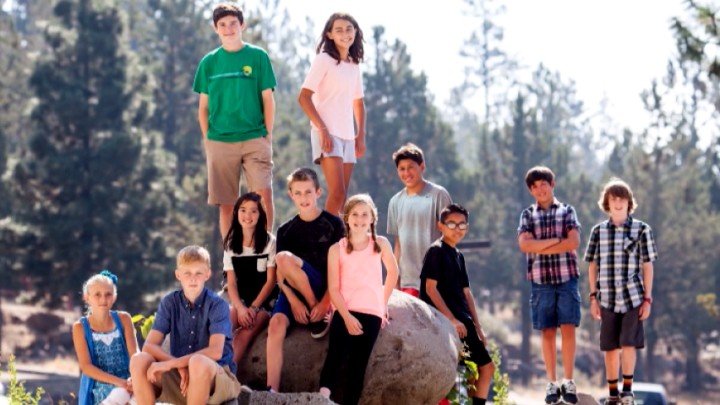
Problems Solved: Advice from Middle Schoolers
In the documentary-style film, middle school aged children share their personal stories of what its like to transition from elementary to middle school. Viewers will hear from children who are going into middle school and those who have already been attending. This challenging time is captured in their engaging stories about navigating new classes, having to use lockers for the first time, dealing with pressure to get good grades, worrying about fitting in and much more. Viewers will be left with a feeling of hope and an understanding that they are not alone in their feelings about transitioning to middle school.
Chapters include: Advice, The Lockers, The Locker Room, Time Management and Homework.
-
Ways to Cope
Ways To Cope, chapters include Advice to Kids, Advice to Parents, Hopes and Dreams, and I Am. In Professor Child’s Children and Divorce series, children teach others about divorce by sharing their personal experiences. They describe what divorce means to them, how it has changed their lives, what has helped, what they love most about their families, and much more. Viewers will be left with a sense of hope and an understanding that they are not alone in experiencing divorce. Each volume includes a companion workbook with numerous discussion questions and creative exercises corresponding to the film.
-
Super Pack – All 3 titles
In Professor Child’s Children and Grief series, children teach others about the grieving process by sharing their personal stories of losing a loved one. We hear about their grief and loss and how they are coping and healing. These children have experienced a life-changing event, yet manage to share their stories with a sense of strength and resiliency. Viewers will be left with a feeling of hope and an understanding they are not alone in grieving the death of a loved one. Each volume includes a companion workbook with numerous discussion questions and creative exercises corresponding to the film. Includes: The Experience and Feelings, Ways to Cope and Life After Death.
-
The Experience and Feelings
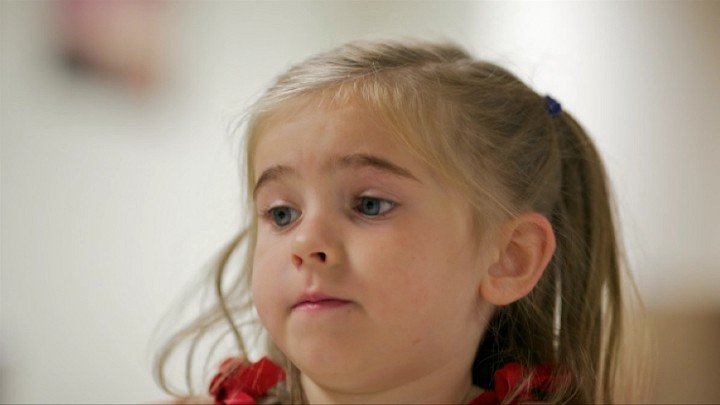
In Volume 1, The Experience and Feelings, chapters include My Story, What Grief Means to Me, Worries and Challenges, and What I’ve Learned. In Professor Child’s Children and Grief series, children teach others about the grieving process by sharing their personal stories of losing a loved one. We hear about their grief and loss and how they are coping and healing. These children have experienced a life-changing event, yet manage to share their stories with a sense of strength and resiliency. Viewers will be left with a feeling of hope and an understanding they are not alone in grieving the death of a loved one. Each volume includes a companion workbook with numerous discussion questions and creative exercises corresponding to the film.
-

Ways to Cope
In Volume 2, Ways To Cope, chapters include What Has Helped, Advice, and Celebrate and Remember. In Professor Child’s Children and Grief series, children teach others about the grieving process by sharing their personal stories of losing a loved one. We hear about their grief and loss and how they are coping and healing. These children have experienced a life-changing event, yet manage to share their stories with a sense of strength and resiliency. Viewers will be left with a feeling of hope and an understanding they are not alone in grieving the death of a loved one. Each volume includes a companion workbook with numerous discussion questions and creative exercises corresponding to the film.
-

Life after Death
In Volume 3, Life After Death, chapters include Life After Death, Hopes and Dreams, and I Am. In Professor Child’s Children and Grief series, children teach others about the grieving process by sharing their personal stories of losing a loved one. We hear about their grief and loss and how they are coping and healing. These children have experienced a life-changing event, yet manage to share their stories with a sense of strength and resiliency. Viewers will be left with a feeling of hope and an understanding they are not alone in grieving the death of a loved one. Each volume includes a companion workbook with numerous discussion questions and creative exercises corresponding to the film.