We are bombarded with statistics every day. But what do all these numbers mean and who really uses them? This lesson introduces you to the many uses of statistics in the real world of science and industry. You will meet and hear the stories of how people utilize statistics to better understand the world around them. Their stories bring the field of statistics into focus.
Grade levels: Adult
-
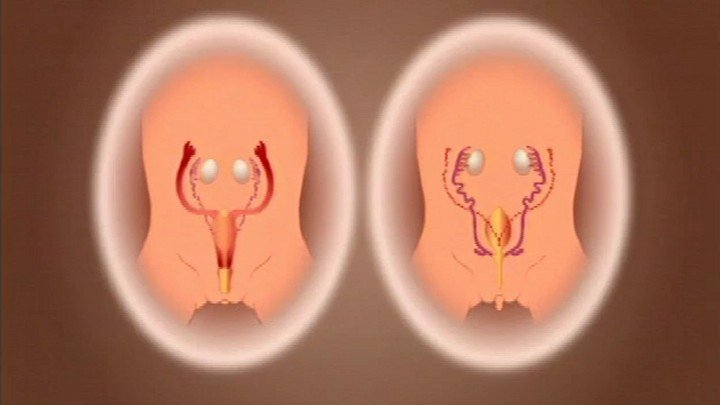
The Endocrine System
All animals rely on a system of checks and balances to maintain homeostasis. The endocrine system, in conjunction with the nervous system, regulates bodily functions based on the internal and external environments. Both systems act as communication networks: the nervous system uses nerve impulses carried on nerve fibers to rapidly communicate; in contrast, the endocrine system uses hormones carried in the blood for slower, more sustained communication.
-
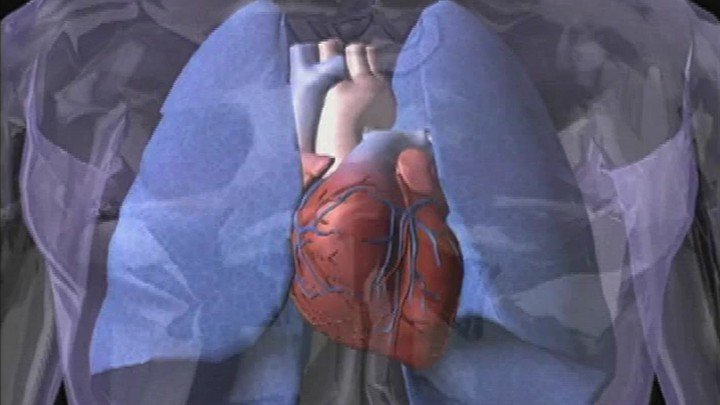
The Cardiovascular System
Throughout our lives, we are continually consuming oxygen. Our bodies need oxygen to produce adenosine triphosphate (ATP), which provides the cell the ability to do work. We take in oxygen through our lungs, but it is the cardiovascular system that delivers that oxygen to all the cells in our bodies. Each day, the heart pumps about 7,500 liters of blood through a network of blood vessels. That network of blood vessels, along with the heart and the blood itself, combine to make up the cardiovascular system. The cardiovascular system is responsible for the transport of nutrients, hormones, gases, and wastes to and from the cells in the body. It also plays a critical role in thermal regulation. Keeping the cardiovascular system functioning well is critical to maintain good health; the lifestyle choices that we make can have a huge impact on our cardiovascular condition.
-
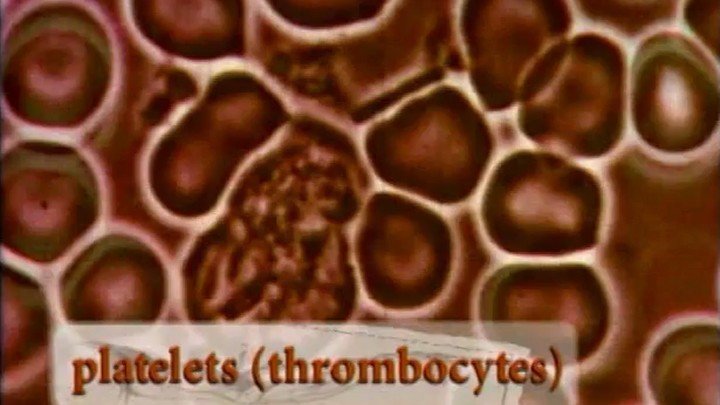
Blood, the Lymphatic System & Immunity
Blood is the fluid of life-all of our systems depend on the transportation of oxygen, hormones, nutrients, and wastes. Blood transports oxygen from the lungs to body tissues and carbon dioxide from body tissues to the lungs. Blood carries nourishment from the digestive system and hormones from glands throughout the body. It transports disease-fighting substances to the tissues and waste to the kidneys and lungs. The lymphatic system distributes immune cells and other factors throughout the body. It also interacts with the blood and the cardiovascular system to drain fluid from cells and tissues. The lymphatic system contains immune cells that protect the body against foreign invaders.
-
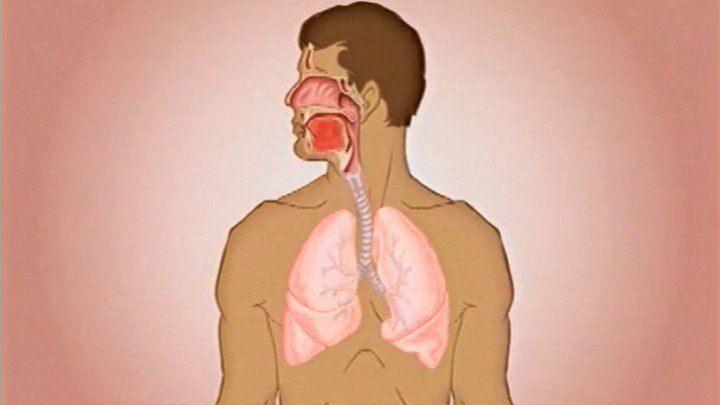
The Respiratory System
Cells in our bodies need oxygen for the production of ATP, and the by-product of that energy production-carbon dioxide-must be removed from the body. While the network of blood vessels in the cardiovascular system transports these gases, oxygen must continuously be replenished as our cells use it. Likewise, carbon dioxide must be constantly eliminated to help maintain homeostasis. This exchange of gases is the primary role of the respiratory system, but not the only role.
-
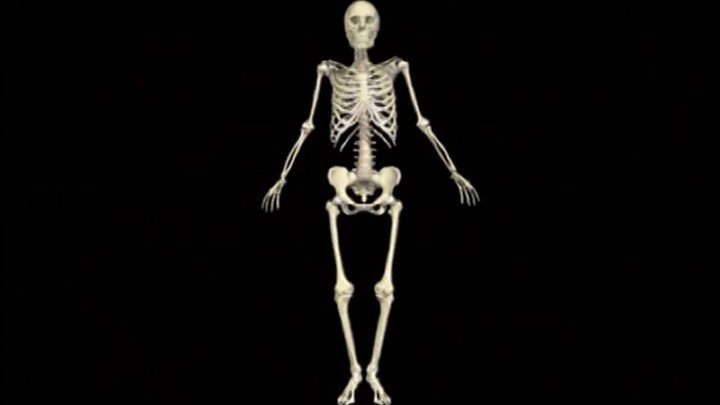
The Skeletal System
Although the skeleton provides a framework for the body, it is hardly rigid. Bones are living tissues that actively contribute to maintaining homeostasis. Healthy bones are anything but dry or brittle; they are dynamic components of our bodies that are capable of growth, change, and repair. The skeletal system consists of bones and other connective tissues that provide support and flexibility. Bones work together with muscles to produce controlled, yet precise movements. In this lesson, you’ll learn about bone tissue, the skeleton, and its supporting tissue. In Lesson 5, you’ll learn how skeletal muscles work with bone to provide strength, power, and grace to the human form.
-

The Muscular System
When we think of muscles, we might conjure images of bulging biceps, flexing hip flexors, and taut triceps, but there are actually three types of muscle tissue in the human body. Our muscles not only support us and allow us to move, but they also pump our blood and move food through our digestive system.
-
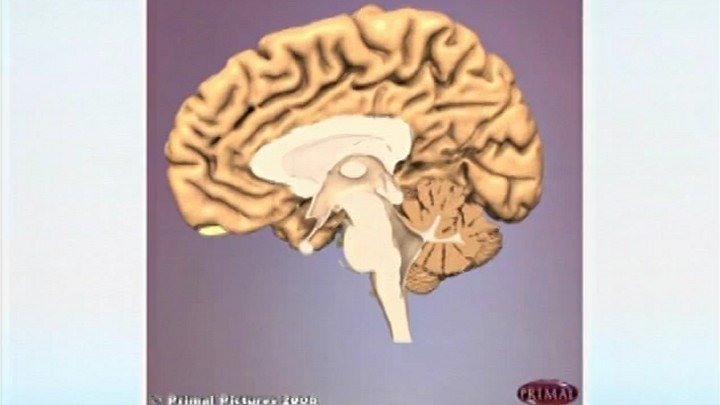
The Nervous System
This lesson provides a glimpse into the human neural network we call the nervous system. We can compare the nervous system to a highly complicated computer network. If we think of the brain as that central processing unit, or the command center, we can visualize a complex network of nerves and organs emanating from it. The network monitors the internal and external environment and sends information about those conditions to the brain, which in turn processes the information and sends signals back to the rest of the body to perform an action or to regulate body functions.
-
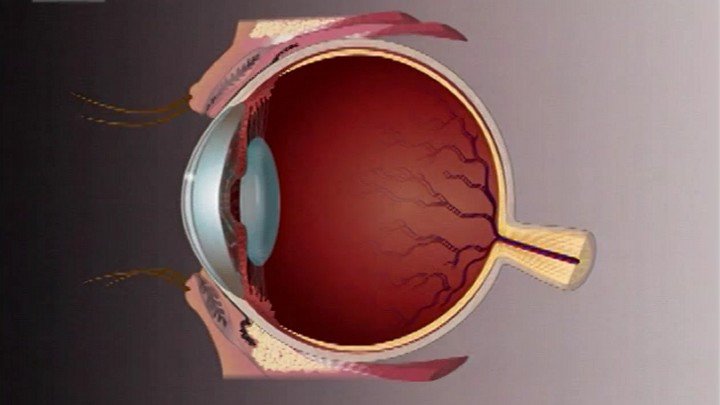
The Senses
Every day, our senses are barraged with sounds, images, and smells. We use our senses to receive, and in some cases filter out, all the sensory information that we encounter. But sensations go beyond those that we can taste, smell, see and hear. They also include our sense of balance, or touch, and the awareness of our body’s position.
-
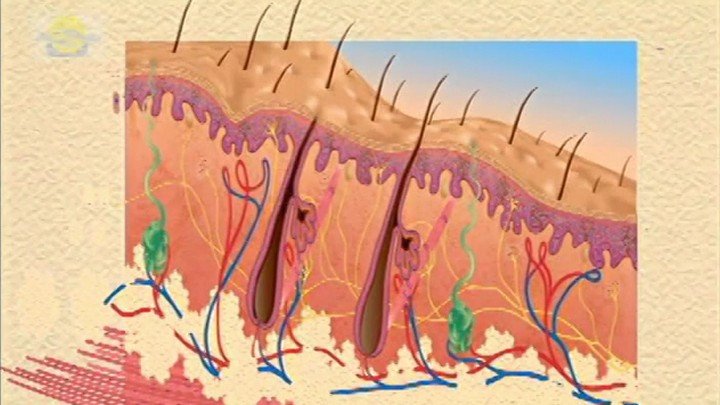
Tissues & the Integumentary System
As you learned in Lesson 1, there are different levels of organization in the human body-from the cellular level to the organism level. Tissues are comprised of a collection of cells that have a common function; organs are comprised of two or more common tissues, and organ systems are comprised of organs and their accessory structures. In Lesson 2, you studied the chemical and cellular levels of organization. In this lesson, you’ll further your study of organization and learn about the four types of tissues in the human body. At the next level of organization, we’ll study the largest organ in the human body-the skin. Finally, you’ll begin your study of an organ system-the integumentary system, which contains the skin and its accessory organs.