This film explores an interactionist approach to obesity.
Part 1 shows how cultural and environmental changes have altered our relationship with food and created an ‘obesogenic environment’. But why isn’t everyone obese?
Part 2 filmed at the Dept. of Neuroscience at Cambridge University, Professor Giles Yeo explains the role of genetics in making some people more vulnerable to hunger and obesity than others. Part 3 looks at new research from University College London that illustrates how the interaction of environmental change and genetic vulnerability is creating a growing cycle of obesity that some experts believe could make the current generation of children the first to die before their parents.
Grade levels: Adult
-
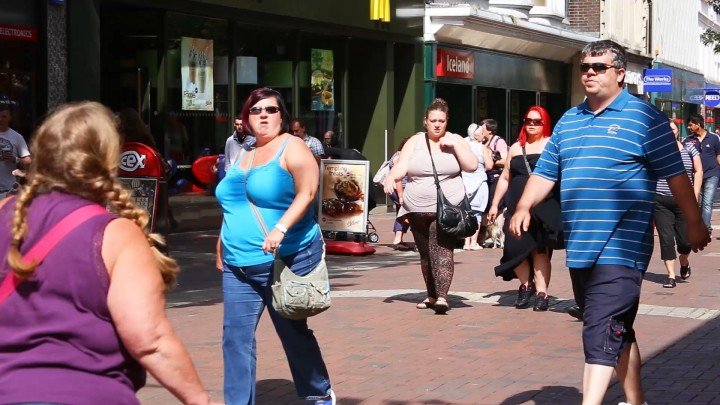
Rethinking Obesity: Nature via Nurture
-
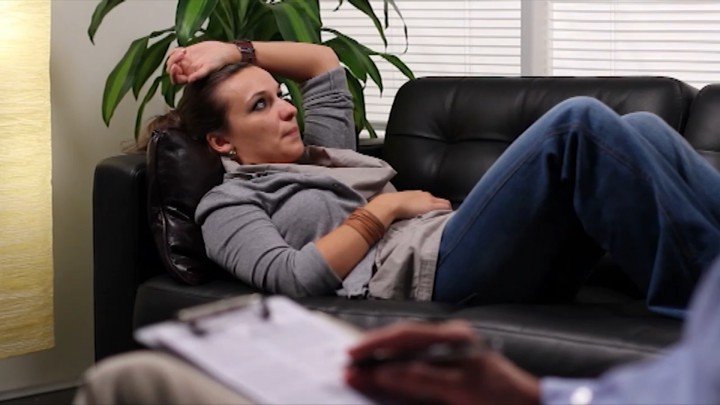
Lost in the Mall: The Memory War
From the late 1990s recovered memory therapy was sweeping across America. In the legal cases that followed, experts assured the courts of the validity of ‘repressed memory’ and that no-one could have false memories. Professor Elizabeth Loftus, a leading expert in memory, wasn’t so sure. In this film, she explains how her ‘lost in the mall’ technique demonstrated the creation of false memories. The ‘memory war’ that followed not only threatened her professional reputation but also her life.
-
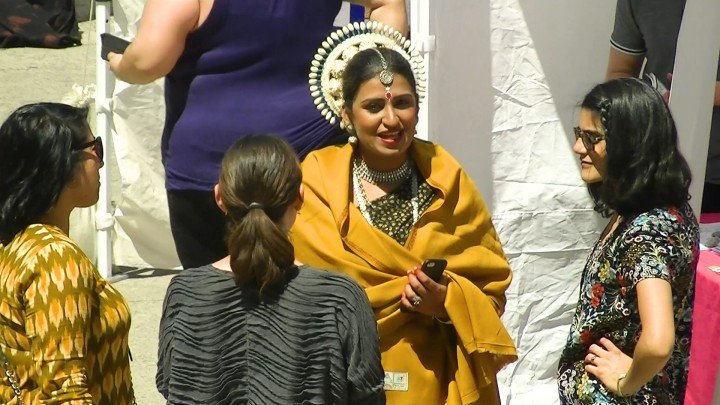
Global Multicultural Generation
Multiculturalism is the presence of, or support for the presence of, several distinct cultural or ethnic groups within a society. In 1973 Multiculturalism became the state policy of Canada under Prime Minister Pierre Trudeau. Ever since the Canadian government has often been described around the world as the instigator of multicultural ideology and policies because of its public emphasis on the social importance of immigration. The main protagonists of “Global Multicultural Generation” are people from everywhere who have grown up adjusting to the demands of a multicultural society, while at the same time helping to make Canada the most diverse country in the world. This global generation is the outcome of 50 years of cultural diversity. With in-depth investigative reporting this documentary examines why in “The age of Trump and Brexit” Canadians remain positive toward immigration and proud of their multicultural heritage.
-

What to Take
Do we take TIME for the important things in life – maybe we should! We all know a tree takes water and nutrients from the earth and energy from the sun. What’s wrong with that? Mr. Treemendous reasons with children (and adults too) that it is okay to take some things! Like taking time to encourage others, taking time to stay clean, taking time to learn, and taking time to be yourself. Singing a number of original songs from various genres, Mr. Treemendous and his lovable animal friends laugh, giggle and learn how to take time for the good things in life! Inspiration: The cartoon is inspired by two experienced educators who like to use toe-tapping music to develop curriculum content for children so that they are entertained and receive clean, healthy, positive, and constructive messages for their social, emotional, and cognitive development.
-
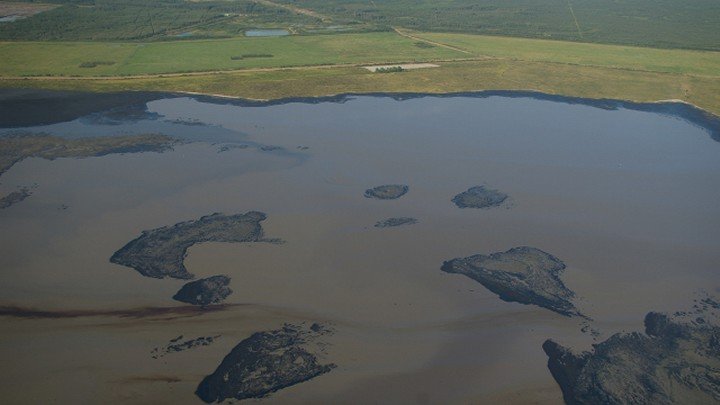
Land of Oil and Water
Two Canadian Aboriginal communities fight for their traditional way of life amid the most destructive oil recovery operation ever known. This sensitive and nuanced documentary follows the journey of Warren Cariou, a writer from Northern Saskatchewan, who learns that oil companies from Alberta are expanding into his homeland. Warren travels back to the Cree and Dene community of La Loche and to the nearby Métis village of Buffalo Narrows to ask the people what they hope the development will bring in the future, and also what they fear about it. He then travels across the border to Alberta and speaks to the Native people there who have lived with the oil sand developments for more than thirty years. The film provides a personal and compelling portrait of Canadian Aboriginal communities and their struggle to preserve their way of life in the face of rapid and relentless change.
-
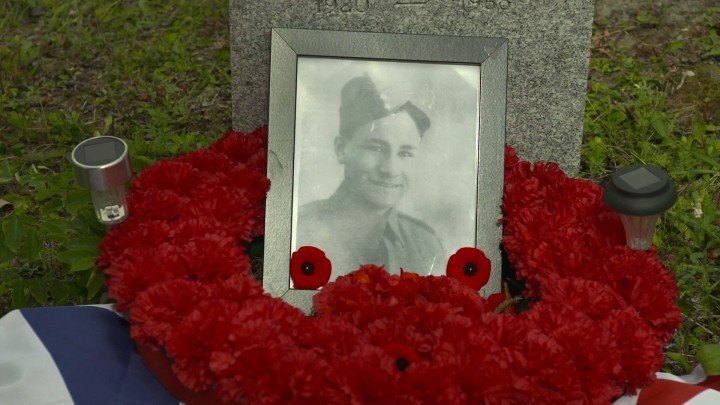
Finding Sergeant Partridge
A granddaughter embarks on a search for her grandfather’s roots and finds much more. Two Peter Partridges, two worlds apart, two families searching. This film tells the story of a granddaughter in England who embarks on a search for her grandfather’s roots and finds much more. Solving her family’s mystery unites her with a family she didn’t know she had in The Pas, Manitoba, ending their search for a brother they weren’t sure existed.
-

The Chronicler
A touching portrait of a man’s family history and the legacy of Canada’s Inuit people in the early 1900s that lives on through him and the photos his grandfather produced during that time.
-

One River Many Relations
One River Many Relations explores the Athabasca Oil Sands from a marginalized and often silenced perspective: communities that live downstream. The film is a collaborative community effort featuring interviews with local Cree, Dene, and Métis members from Fort Chipewyan. It gets to the heart of their concerns for their families, traditional ways, and territories as the Oil Sands encroach closer and closer.
-

A Right to Eat
Northern Manitoba: With a jug of milk ringing in at over $14 in some of the provinces lowest income communities, it’s not difficult to imagine how grocery bills can account for up to 80% of the household budget or why Diabetes rates have hit 50% in some regions of the north. Local studies have shown that food insecurity rates in northern Manitoba are coming in between 70% and 80%. That’s approximately eight times the national average. Poor diets and restricted access to fresh, healthy foods are having a devastating impact on peoples mental and physical health.
A Right to Eat follows regular families living in Northern Manitoba, in their fight to put healthy food on the table. It’s a deeply intimate look at the frightening realities of food insecurity faced by two of Canada’s most isolated northern First Nation communities and their courageous battle against hunger, disease, and dependency.
-
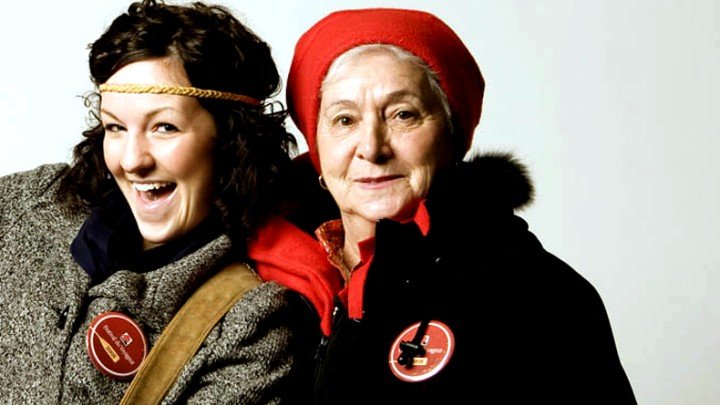
Mémére Métisse
For over sixty years, loving grandmother Cecile St. Amant has been keeping a deep secret – she is Métis. Cecile’s granddaughter, Janelle, sets out to understand her Mémére’s denial and playfully plots her own mission to open her Mémére’s eyes to the richness of their heritage. As the two face-off in a battle of the wills, Janelle soon realizes that her Mémére will not be easily convinced that being Métis is something of which to be proud. In this heartwarming and extraordinary journey, Janelle’s mischievous and persistent prodding of her grandmother reveals a generation’s legacy of shame and the profound courage of the human spirit to overcome it.