
Ask a hundred people what they think religion is and you’ll probably get a hundred different answers. However, to study religion we have bring together more general ideas about what religion is and what it does. This film, with Professor Eileen Barker of the London School of Economics, explains and illustrates the two dominant sociological approaches to religion: substantive (or exclusive) and functional (or exclusive). A great introduction for students new to the topic.
Grade levels: Adult
-

New Religions: Alternative Spiritualities?
Sometimes practised far away from the world and sometimes in the full glare of hostile media, there are thousands of new religions. With examples, such as the Moonies, Scientology, the Missionary Church of Kopimism, Paganism and the doomsday cult Heaven’s Gate, this film identifies some of the characteristics of these new religious movements and how some scholars see their rise as an example of a major cultural shift where increasing numbers of people are losing faith in large institutions.
-
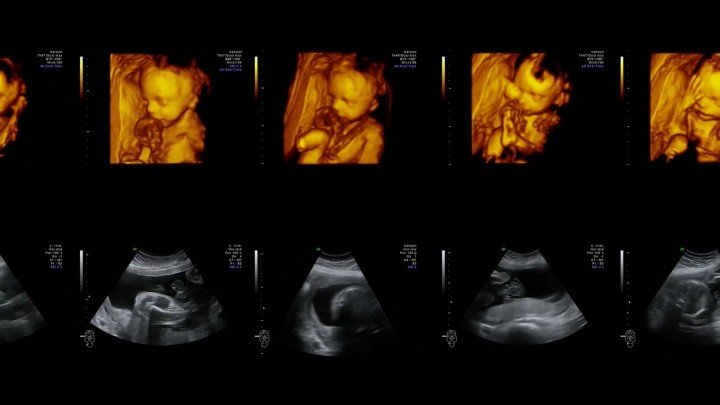
The Ethics of Abortion: When Does Life Begin?
The controversies surrounding abortion involve a clash between two fundamental rights: the right of the unborn child, or foetus, and the rights of the mother. This film begins with the storm created by leading case of Roe vs Wade and then provides students with an unbiased analysis of the ethical issues underlying demands for the criminalisation and the legalisation of abortion.
-

Strain Theory
Merton was one of the first sociologists to look at the relationship between culture and crime. This film provides a clear introduction to Merton’s strain theory, looks at its application to contemporary consumer societies and its continuing influence on modern theories of crime.
-
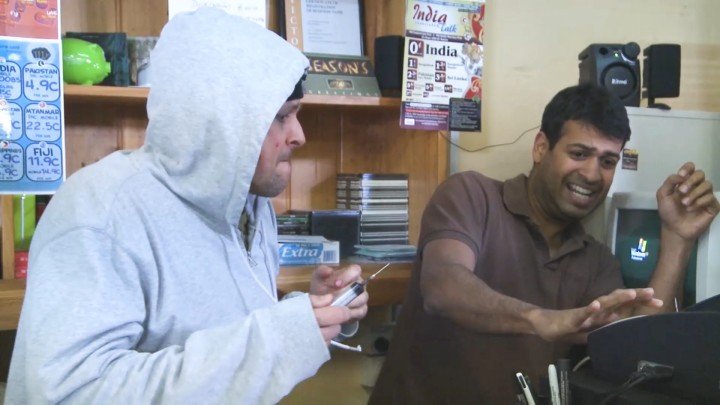
Labelling Theory
Traditionally criminology focused on criminal action and its control. Labelling theory widened the focus to include the social reaction to crime and its consequences. This film documents the rise and fall of labelling theory and illustrates how aspects of it continue to influence contemporary criminology and criminal justice.
-

Space, Place & Crime
Spatial criminology asks whether it’s possible to reduce crime by changing social spaces. This film begins with Zimbardo’s influential abandoned cars experiment and the development of Wilson and Kelling’s broken windows theory. It looks at the impact of broken windows policy on crime in New York in the 1990s and concludes by looking at recent experiments in the Netherlands by Keizer that demonstrate the effect of environmental change on crime.
-

Determinism and Free Will
Do we really have free will? And, if so, where does it come from? In this film, Professor Patrick Haggard explains the differences between free will and behavioural, psychic and neurological determinism. We then reconstruct Benjamin Libet’s seminal experiment on determinism, showing its implications for understanding consciousness and explaining human behaviour.
-
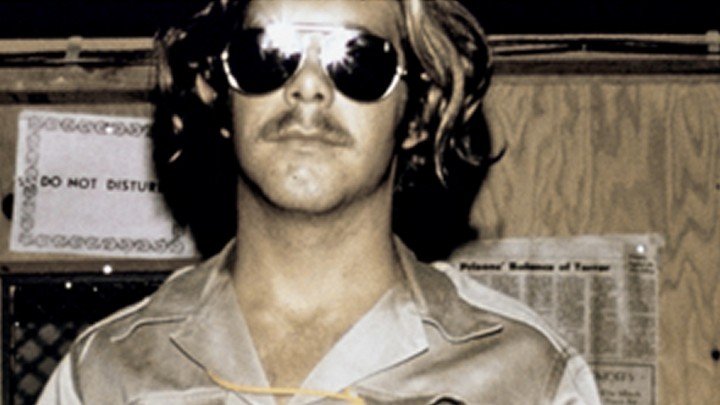
Individualistic and Situational Psychology
Most psychology is individualistic, suggesting that people’s behaviour is a product of their biological inheritance and personal experiences. This short film, using original footage from Zimbardo’s famous Stanford Prison Experiment, illustrates an alternative idea that people can be literally transformed by the situations in which they find themselves.
-
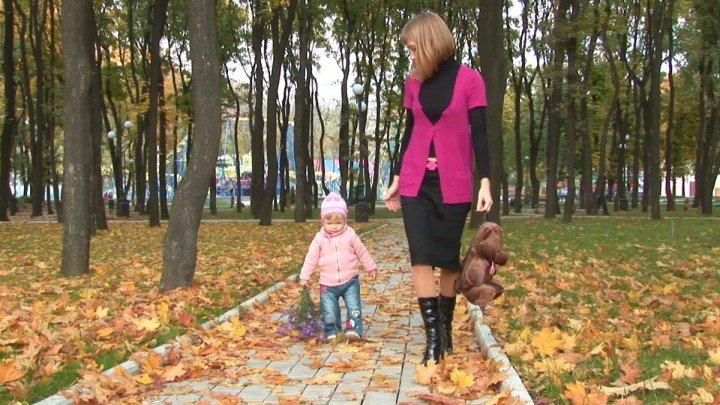
Bowlby: Attachment & Maternal Deprivation
In the 1930s a young psychiatrist noticed how many of the disturbed children he saw had been separated from their parents in early life. This was John Bowlby whose work had a massive influence on how psychologists thought about child development. This film explains the key aspects of his classic theory of attachment: the innate need to bond, the care of an attachment figure and maternal deprivation. An ideal introduction to support students starting this topic.
-
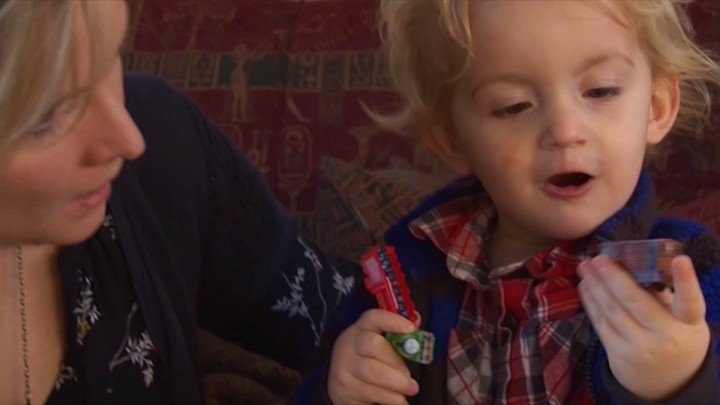
Ainsworth: The Strange Situation
While John Bowlby focussed on the consequences of a lack of attachment, Mary Ainsworth took a step back and looked at the nature of attachment and famously documented different types. In this film we look at her classic strange situation with film of the experiments and expert comment from three psychologists.