A large range of factors have led to tourism becoming one of the world’s fastest growing industries and this has led to the rapid growth in niche tourism where tourists seek to have experiences beyond their everyday ones. This program explores some niche markets, including volunteer tourism, dark tourism, health and medical tourism, and gastronomic tourism. Discussions with niche market tourists explore their motivations behind the experiences they chose and whether the outcomes were what they were hoping for. This engaging and informative resource is essential viewing for students of tourism and related studies.
Grade levels: Adult
-
Rotorua: A Case Study in Sustainable Tourism
Tourism is an important industry to many nations worldwide. Rotorua on New Zealand’s north island is the birthplace of tourism in that country, having hosted visitors to the city and surrounding area since the early 19th century. In this location based program we explore the geothermal features, Maori culture, the spa/health and wellbeing industry and the region’s spectacular lakes and forests are the attractions that draw around four million visitors a year to Rotorua. This growth has led to the need to ensure that the tourism is sustainable economically, socially and environmentally. This engaging and informative resource is essential viewing for students of tourism and related studies.
-
Sexual and Asexual Reproduction
All forms of life – from simple to complex – share an ability and instinct to reproduce. Reproduction occurs either sexually through an exchange of genetic material between two organisms, or asexually where organisms replicate producing offspring with an identical genetic makeup to their parent. This program looks at sexual and asexual reproduction, starting at the cellular level, with clear explanations of meiosis and mitosis. Using a range of graphics and footage to explain biological processes, it explores various types of asexual reproduction, including fission, budding, fragmentation, spores, vegetative and artificial propagation. Sexual reproduction in animals is covered – including direct and indirect development – as well as sexual reproduction in flowering plants. Finally, various benefits and disadvantages of both types of reproduction are examined.
-
Employment Relations and Conflict Resolution
Teamwork and effective relationships with colleagues are essential to the productive and profitable operation of most organizations. Inevitably though, there are disputes and conflict, and all personnel need to know how to appropriately deal with them. This interview based program examines employment relations and workplace conflict. Featuring interviews with industry leaders, it explores the role of Human Resources in workplace conflict, the role of managers and supervisors in dealing with it, the nature of workplace disputes, and strategies for effective dispute resolution. This production is an ideal resource for all senior secondary level and further education students preparing for part or full-time employment, or studying employment relations.
-
Management Roles – Planning, Organising, Leading, Controlling
Management is one of the most widely-discussed and critical issues in business. In this engaging program for senior secondary students we investigate what a manager actually does and how they achieve success. Experts explain the different tasks of management, such as planning, leading, organising and controlling, and the challenges they face in the various departments of large-scale organisations. We investigate the most effective strategies when faced with resource allocation or staffing issues or measuring performance. The diverse nature of management is examined in the wider context of globalisation and technological innovation, offering viewers a valuable insight into the day-to-day lives of managers.
-
Nuclear Radiation
This program covers the discovery of radioactivity, what makes atoms radioactive and methods for detecting radioactivity. The types of radiation including alpha, beta, gamma and positron radiation, types of decay, radiation dose & dose equivalence are explained. With application to real-life situations, the effects of radiation on living things, the environment and the uses of radiation in medicine are also discussed. This program is a comprehensive look at radiation that originates in the nucleus of an atom.
-
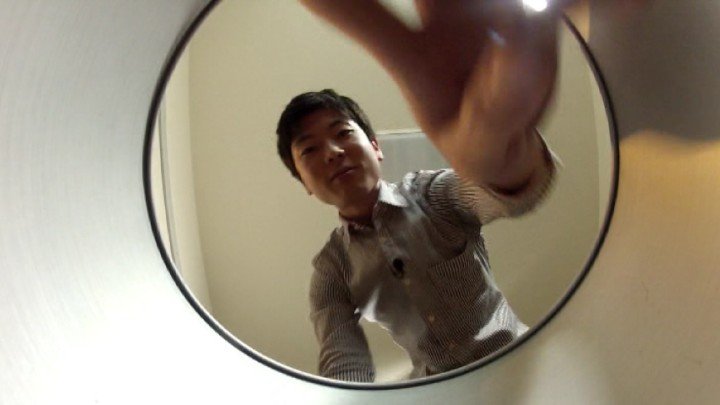
Smart Trashcan
Minoru Kurata invented the world’s first trashcan that can track and catch your trash.
-
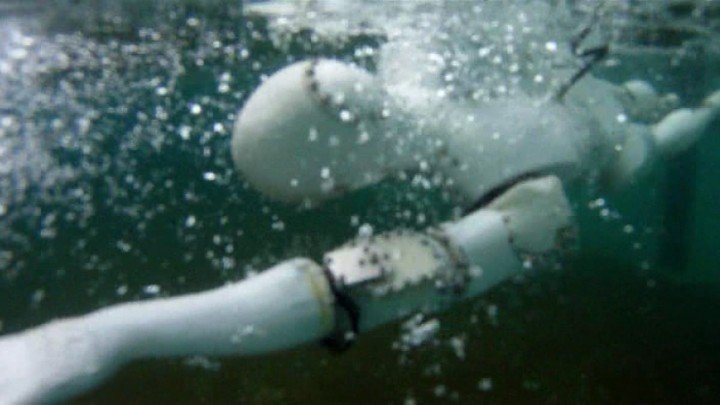
Swumanoid
Engineers at the Tokyo Institute of Technology built this humanoid robot to study the mechanics of swimming.
-
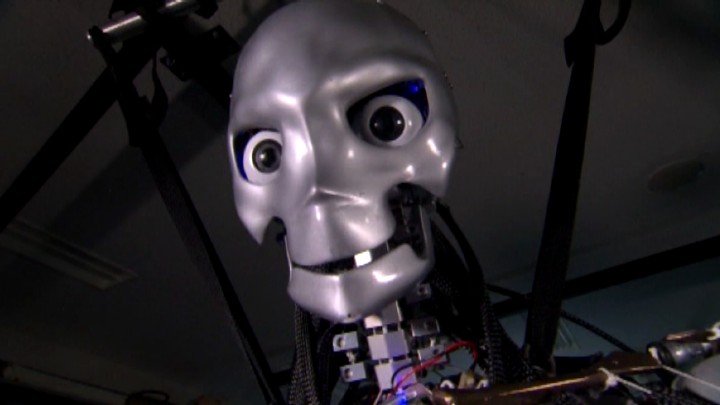
Kenshiro
Students at he University of Tokyo’s JSK Lab built the world’s most anatomically correct robot, complete with 160 “muscles” and an almost complete skeleton.
-

Ford C-Max Energi
Gil Portalatin, Chief Program Engineer at Ford Motor Company, takes us for a ride in Ford’s latest plug-in hybrid car.