Part 2 of 2: Linda Hogan (Chickasaw) is a poet and novelist of immense talent. She teaches at the University of Colorado and is an environmental activist. She is a major force in the development of written Native American poetry, a well-respected fiction writer, an environmental essayist, and an award winning dramatist. Topics covered include the many uses of fiction and non-fiction writing.
Countries: US
-
Guest Author Thomas King, Part 1
Part 1 of 2: Thomas King (Cherokee/Greek) has been described as a “Native American Kurt Vonnegut” and a “darkly funny Mark Twain”. He is a former photo-journalist and currently works as a university professor, scriptwriter, novelist, and author of children’s books. Topics covered in theses classes include King’s description of the differences between print and film media, comments on the making of this course’s video, the definition of “meta-discourse”, a discussion on stereotypes, a discussion on the uniquely feminist nature of Mr. King’s work, and the nature of “Tricksters”.
-
Guest Author Thomas King, Part 2
Part 2 of 2: Thomas King (Cherokee/Greek) has been described as a “Native American Kurt Vonnegut” and a “darkly funny Mark Twain”. He is a former photo-journalist and currently works as a university professor, scriptwriter, novelist, and author of children’s books. Topics covered in theses classes include King’s description of the differences between print and film media, comments on the making of this course’s video, the definition of “meta-discourse”, a discussion on stereotypes, a discussion on the uniquely feminist nature of Mr. King’s work, and the nature of “Tricksters”.
-
Guest Author A.A. Carr, Part 1
Part 1 of 2: Mr. Carr (Laguna/Navajo) is an author and successful filmmaker. Short segments of his documentary Laguna Women are used in these two class sessions. A few weeks after this telecourse was made, Navajo Code Talkers, a National Geographic documentary produced by Lena and Aaron Carr, won an Emmy for best documentary. Other topics include a discussion on the issue of “identity”, a discourse on the impact of using a white protagonist in an Indian novel, and Carr’s point of view with respect to the writer’s “responsibility to build upon what other authors have done.”
-
Guest Author A.A. Carr, Part 2
Part 2 of 2: Mr. Carr (Laguna/Navajo) is an author and successful filmmaker. Short segments of his documentary Laguna Women are used in these two class sessions. A few weeks after this telecourse was made, Navajo Code Talkers, a National Geographic documentary produced by Lena and Aaron Carr, won an Emmy for best documentary. Other topics include a discussion on the issue of “identity”, a discourse on the impact of using a white protagonist in an Indian novel, and Carr’s point of view with respect to the writer’s “responsibility to build upon what other authors have done.”
-
Guest Author Gerald Vizenor, Part 1
Part 1 of 2: Gerald Vizenor is Professor of Native American Studies at the University of California (Berkley). He has been described by LaVonne Brown Ruoff as a “compassionate trickster”, a “formidable warrior in the word wars”, a superb storyteller, and a keen observer of our often hypocritical modern society. Topics covered include further discussion on the “Trickster”, the nature of violence, “shadow words”, Vizenor’s definition of what constitutes a meaningful question, and why an author’s response to a question often takes the form of a story.
-
Guest Author Gerald Vizenor, Part 2
Part 2 of 2: Gerald Vizenor is Professor of Native American Studies at the University of California (Berkley). He has been described by LaVonne Brown Ruoff as a “compassionate trickster”, a “formidable warrior in the word wars”, a superb storyteller, and a keen observer of our often hypocritical modern society. Topics covered include further discussion on the “Trickster”, the nature of violence, “shadow words”, Vizenor’s definition of what constitutes a meaningful question, and why an author’s response to a question often takes the form of a story.
-
Introduction and Overview: Who in the World is in Here?
Explore your peers’ and your own individual ethnic/racial, religious, and cultural backgrounds.
-
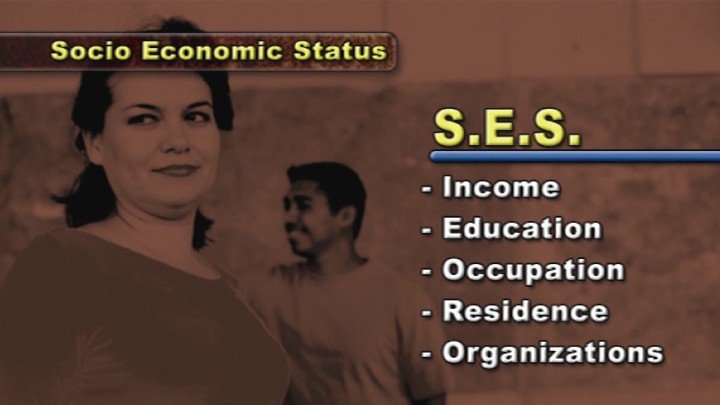
Social Interaction in Diverse Settings: The SIM’s Model
Discuss how to use the Social Interaction Model (SIM) as an analytical tool for understanding human behavior in social settings.
-

Negotiating Cultural Communication
Explore some of the varieties of communication styles in the U.S. as well as in other cultures around the world. Studio Guests: Isabel Lamptey, Western Illinois University, and Michel Nguessan, Governors State University. Video Insert: Asma Abdullah and Peter Shepherd, an Islamic couple from Malaysia.