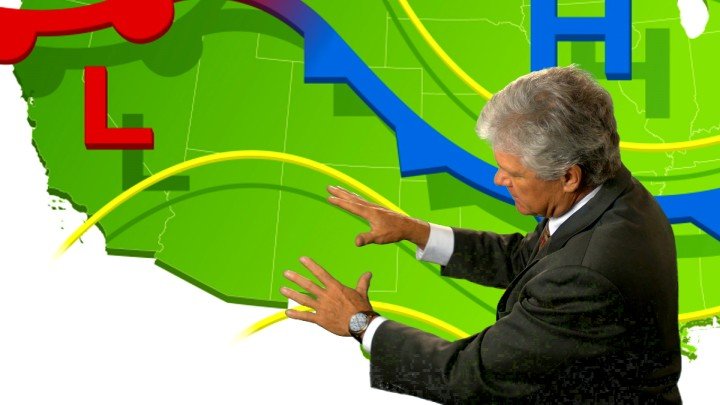
Understand weather, climate, the greenhouse effect, the role that ocean plays in climate, and the effects of global warming. Detailed graphics, diagrams and exciting video, as well as on-screen, multiple-choice reviews at the end of each segment reinforce important concepts and make learning fun.
Countries: US
-

Bacteria
In this program, you will learn all about bacteria. What are the characteristics of bacteria? How are bacteria classified? What is the history of bacteria? How do bacteria reproduce? How is bacteria good and bad for us? How does bacteria help the ecosystem? The answers to all of this are covered in depth with detailed graphics, diagrams and exciting video. On-screen, multiple-choice reviews at the end of each segment reinforce important concepts and make learning fun.
-
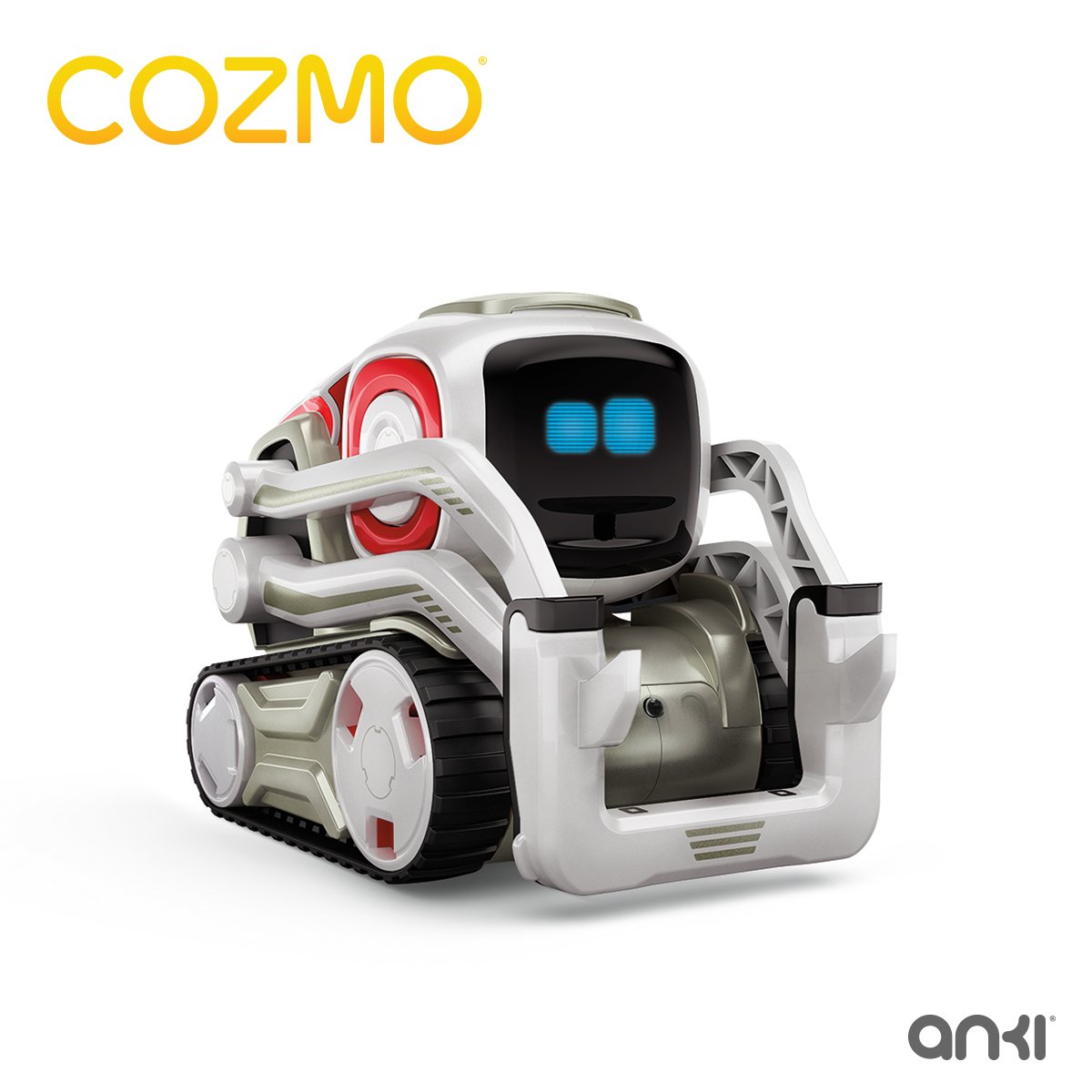
Cozmo Coding AI Robot
Cozmo is the Coding A.I. robot that utilizes block pgramming for K-8 and high-level programming SDK for high-school and post-secondary classes. Cozmo comes with free android/iOS/Amazon Kindle apps and charging platforms. An incredibly diverse programming tool, with a personality that will enage any age level.
-

My Blog: How To Handle Anger (Without Exploding)
For a variety of reasons, lots of kids come to school angry every day. Unfortunately, many pre-teens and adolescents don’t know how to handle their angry feelings in appropriate ways. In this program, students will learn the skills necessary to recognize and deal with their own anger. The program introduces the concept of anger triggers, provides strategies for expressing and channeling anger, and demonstrates the consequences of quick tempers. Most importantly, the program gives viewers concrete alternatives for dealing with anger in a healthy and safe way.
-
My Blog: Internet Bullies? (Just A Click Away)
For many kids, the Internet is an important part of their daily routine. Unfortunately, with the immediacy of the Internet, its anonymity and it’s easy accessibility, kids are using Instant Messaging, Blogs, e-mail, chat rooms and social networks to spread gossip and rumors to harass and embarrass their peers. In this program, students will come to understand that using the Internet for those purposes is actually bullying.
True to life scenarios demonstrate practical ways for students to protect themselves and restrict the opportunities others have of harassing them online. -

My Blog: We’re Different (But The Same)
Everyone is different in some way. Everyone is unique. Chelsea’s blog takes on the issue of being different. Randal, Chelsea’s friend is in a wheel chair and begins the discussion of being different by talking about physical differences. Subsequent stories talk about having different abilities, gender and cultural differences, too. The program stresses the importance of developing a respect and appreciation for people’s differences.
-
My Blog: What To Do About Rumors, Taunts and Bullies (How To Stop the Pain)
Hey, did you hear about….”, “Baby, baby, baby!”, “Give it to me now!” Gossiping, taunting and bullying are phenomena that occur at schools everywhere. Through vignettes, students will come to understand the devastating effects of these behaviors on individuals and the community. In addition, the program outlines solutions and strategies for coping with this pervasive problem.
-

My Blog: What’s Empathy? Do I Have It?
Children need help in understanding what empathy is and why it’s important. Chelsea talks about empathy on her blog and shares stories from events she’s witnessed at school and at home. In this program Chelsea asks viewers to think about how innocent jokes and rumors can hurt others and how they would feel if they were teased and bullied by others. Chelsea’s main message is before you say or do something that might hurt someone else, imagine being that person and think about how you would feel.
-

My Blog: When BFFs Go Bad (Responsibility In A Digital World)
Is there something on your cell phone or computer that you don’t want others to see? Is there an embarrassing photo of you on your friend’s cell phone you wouldn’t want others to see? In this program students will learn that information stored on any digital device, computer, camera, electronic pad or cell phone at any second can become public and it can live forever in a digital world. This program stresses to viewers the importance of online responsibility and having a digital awareness. Students will come away with an understanding that it’s not just what you say and do online, but what others can do with your pictures, words, and videos that can negatively impact you.
-
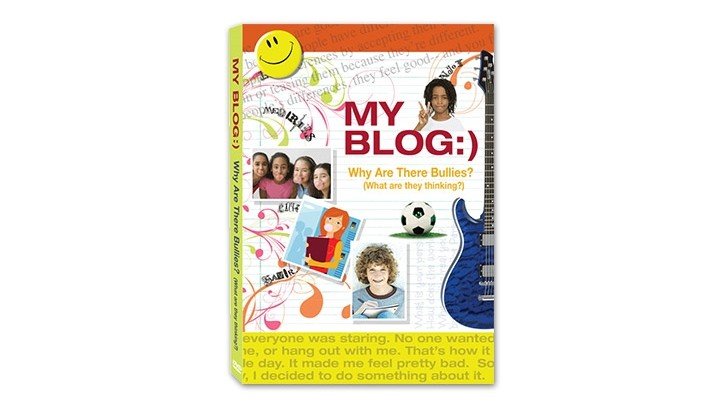
My Blog: Why Are There Bullies? (What Are They Thinking?)
This program explores the reasons why kids become bullies. Through live-action, age-appropriate scenarios, viewers will come to understand why some kids are so aggressive, hurtful and mean to their classmates, teammates, friends and family members. Students will discover that there are a variety of reasons kids turn into bullies. Some bullies are looking for attention. Others may think bullying is a way to be popular or to get what they want. But most of the time, bullies are trying to make themselves feel more important. Some may think that being angry, calling names, and pushing people around is a normal way to act. The program also discusses how bullying makes the bully feel and how the victim feels, too. By viewing the program, students will have a better understanding of bullying which will give them a stronger foundation when dealing with a bully.