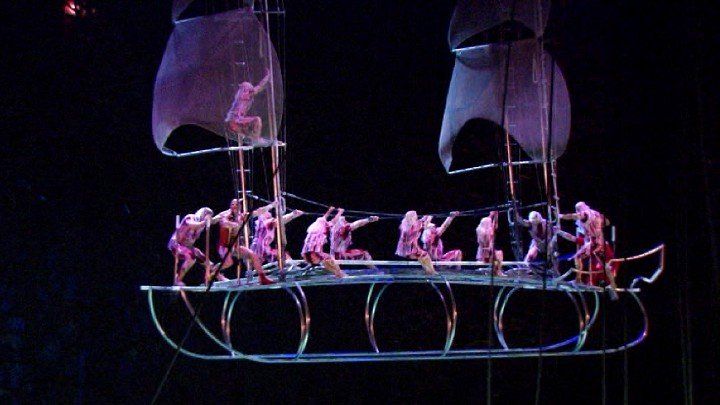
Since its inaugural performance, Cirque Du Soleil’s “O” has enthralled over 10 million spectators, during the course of 6000 shows. While the production on-stage is breath-taking, the real amazing feat of coordination happens behind the scenes. While 85 artists risk their lives performing over a 1.5 million-gallon pool, 145 technicians work tirelessly to ensure that everyone is safe right up until the final act – the death-defying ‘cerceaux’ – which pushes performers and technicians alike to their peak capacity.
Countries: CA
-
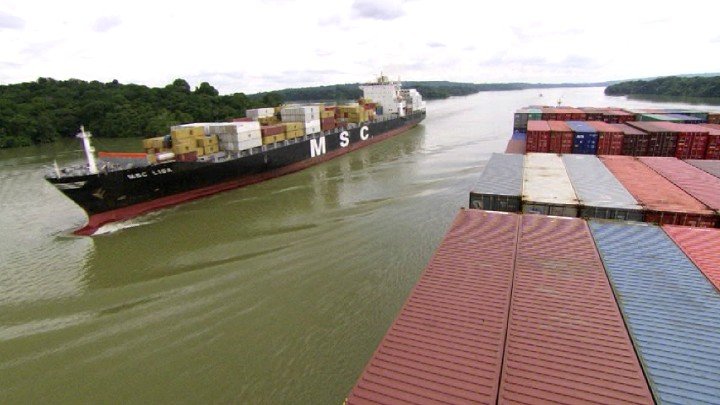
Panama Canal
It is one of the most important canals in the world providing a much-needed shortcut across a continental divide. Discover how Panama Canal – one of the largest canals in the world – moves nearly 14,000 vessels a year between Pacific and Atlantic, shaving off up to two weeks of travel time. Instead of forcing ships around the tip of South America, specially-trained marine traffic controllers track dozens of ships passing through the canal 24/7. See how the specially trained Canal “pilots” masterfully steer Panamax vessels through tight corners and tricky turns, with mere inches to spare.
-
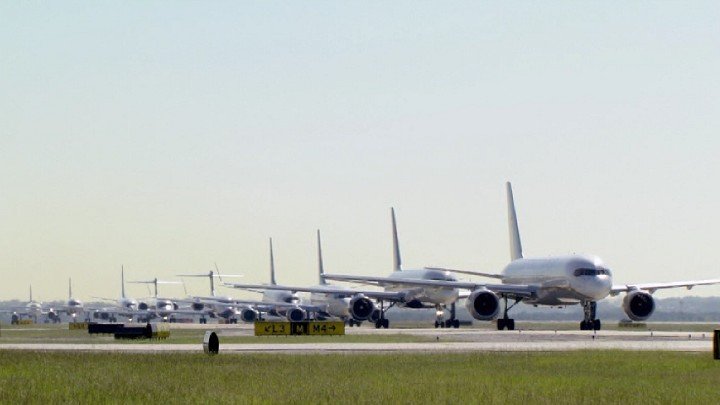
Atlanta International Airport
Its call sign is ATL and it manages 2,700 take-offs and landings everyday. An army of airport staff oversee a quarter of a million people who pass through its gates, as well as their luggage and their safety. There are more planes in the air and on the ground Friday evening – when the world’s busiest airport is strained to capacity. The only way to handle it is to keep a cool head. Passenger safety and on-time performance records depend on it. Meet the engineers, tarmac operators and the rest of the crew charged with this tremendous task.
-
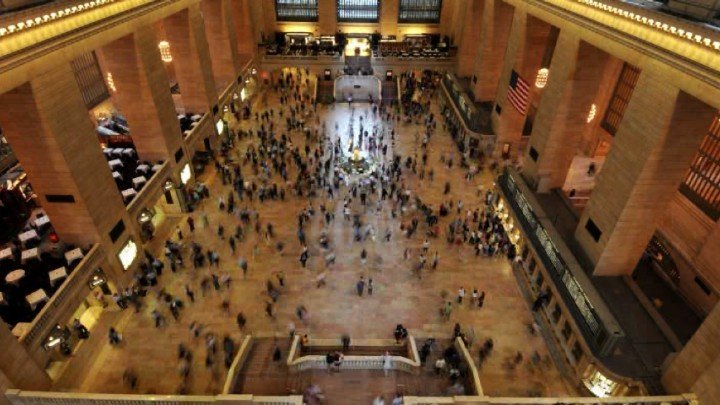
Grand Central Terminal
Grand Central Terminal moves 130,000 passengers a day over 400 miles of track and through 110 stations spread across New York City and upstate New York. It’s one of the busiest train stations in the world with more than 700,000 people who use the terminal and every weekday morning at 08:40 – rush hour is at its peak. And that’s where we begin.
-
Titanic Cold Water Dunk
In an experiment designed to imitate the conditions under which the Titanic passengers might have found themselves, we learn about muscle function and dexterity.
-
Navy Rescues
Alan participates in ‘man overboard’ and ‘fire’ rescue drills onboard the HMCS Montréal.